mini tbm
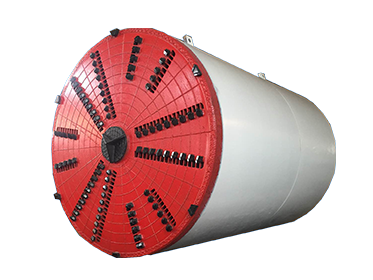
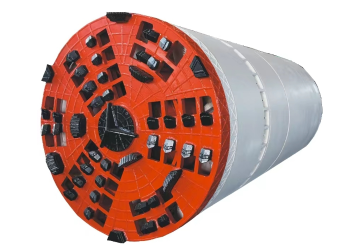
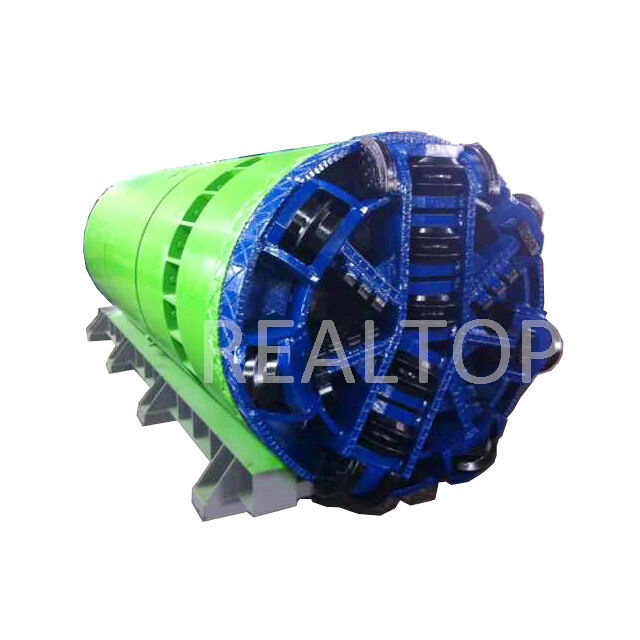
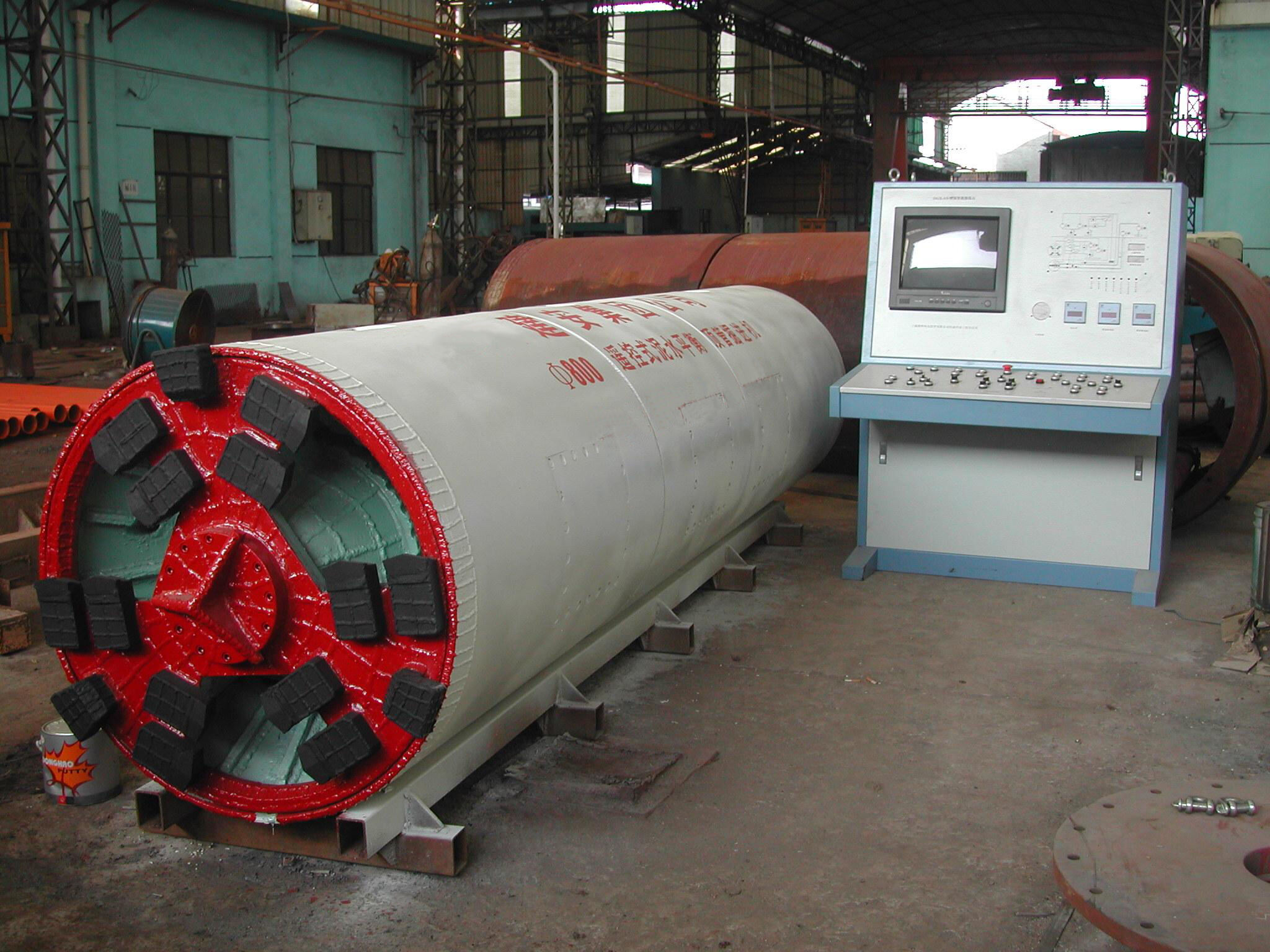
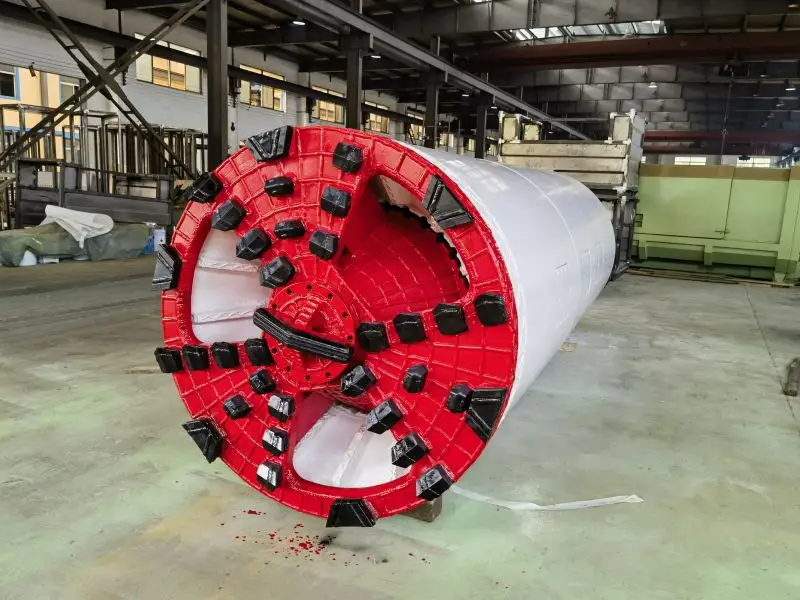
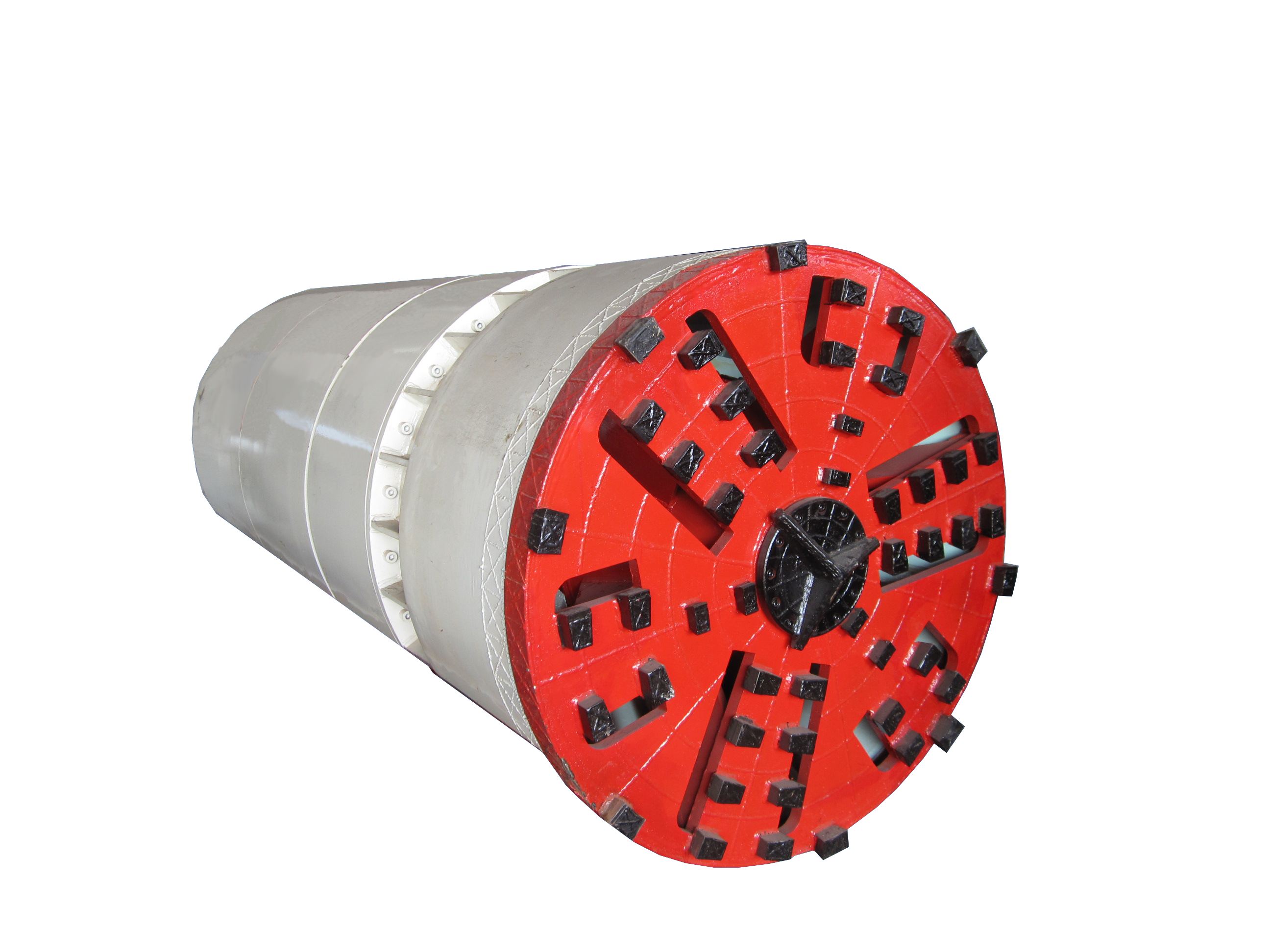
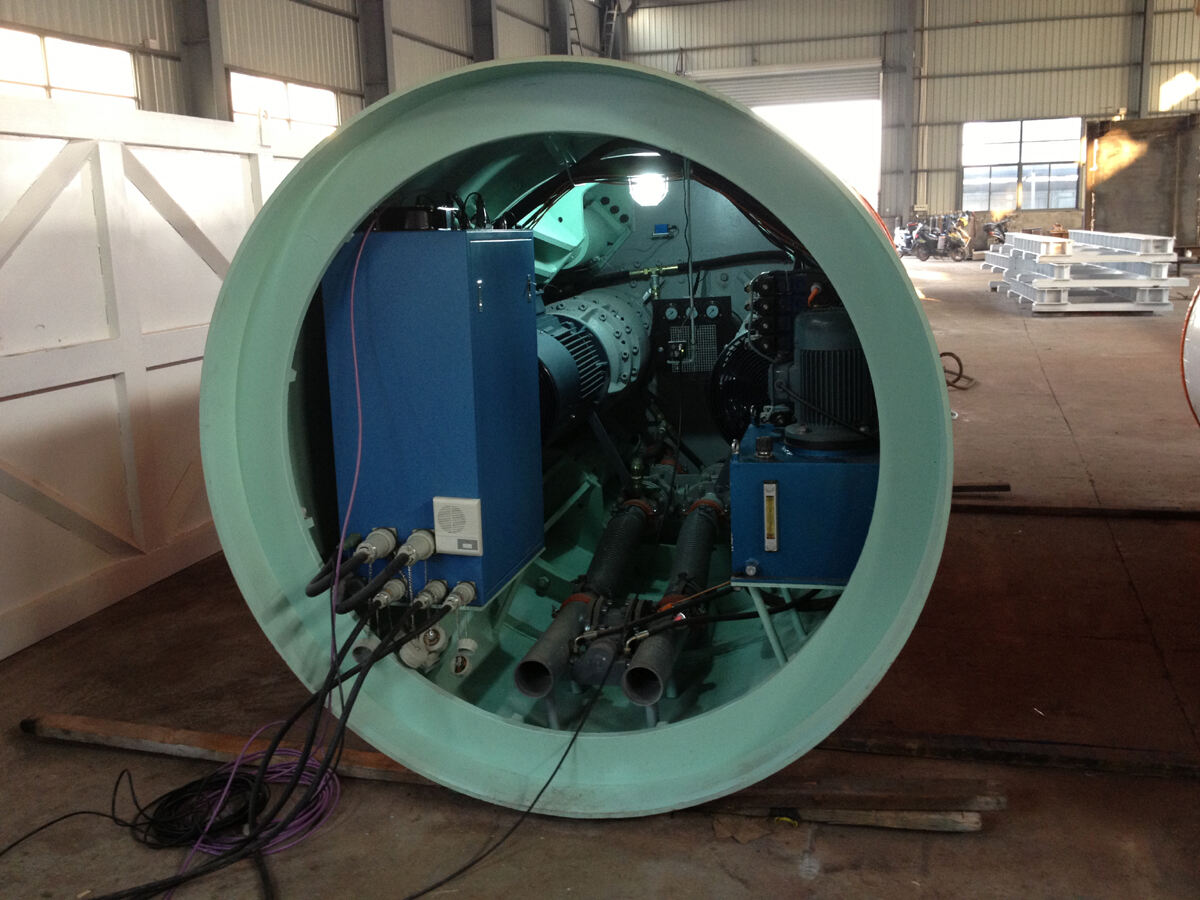
A mini TBM, or mini tunnel boring machine, represents a revolutionary approach to underground excavation projects that require precision, efficiency, and minimal surface disruption. These compact yet powerful machines are specifically engineered to handle smaller-scale tunneling operations while maintaining the advanced capabilities of their larger counterparts. The mini TBM combines cutting-edge technology with practical design elements to deliver exceptional performance in confined spaces and challenging geological conditions. The primary function of a mini TBM involves creating precise underground passages through various soil and rock formations using a rotating cutterhead equipped with specialized cutting tools. This mechanical excavation process ensures consistent tunnel dimensions while simultaneously installing support systems such as concrete segments or steel ribs. The machine operates through a sophisticated control system that monitors ground conditions, adjusts cutting parameters, and maintains optimal advancement rates. Key technological features include advanced navigation systems utilizing laser guidance and GPS technology for accurate tunnel alignment, real-time geological assessment capabilities through integrated sensors, and automated material handling systems that efficiently remove excavated debris. The mini TBM incorporates hydraulic thrust systems that provide precise control over excavation speed and pressure, while environmental control systems manage dust, noise, and vibration levels. Modern mini TBM units feature modular designs allowing for easy transport and assembly in restricted access areas. Applications for mini TBM technology span numerous industries and project types, including utility installations such as water, sewer, and telecommunications infrastructure, pedestrian underpasses in urban environments, subway and light rail construction, mining exploration tunnels, and geotechnical investigation projects. These versatile machines excel in projects where traditional excavation methods prove impractical or economically unfeasible, particularly in densely populated areas where surface disruption must be minimized.