Გამორჩეული მრავალფეროვნება სახმელეთო პირობებში
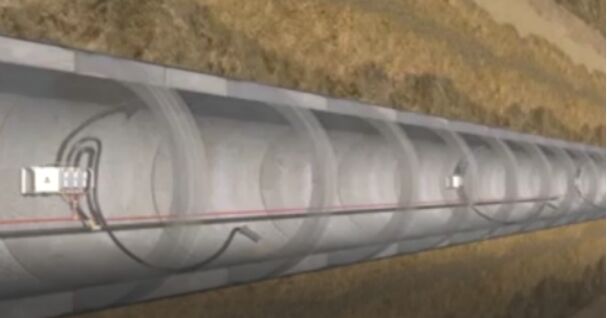
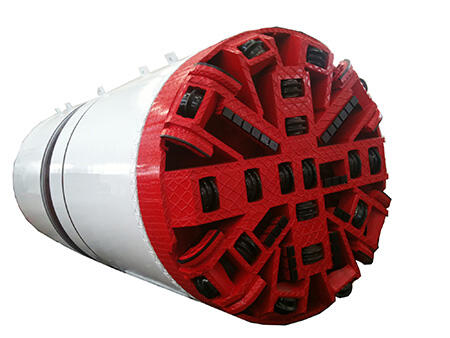
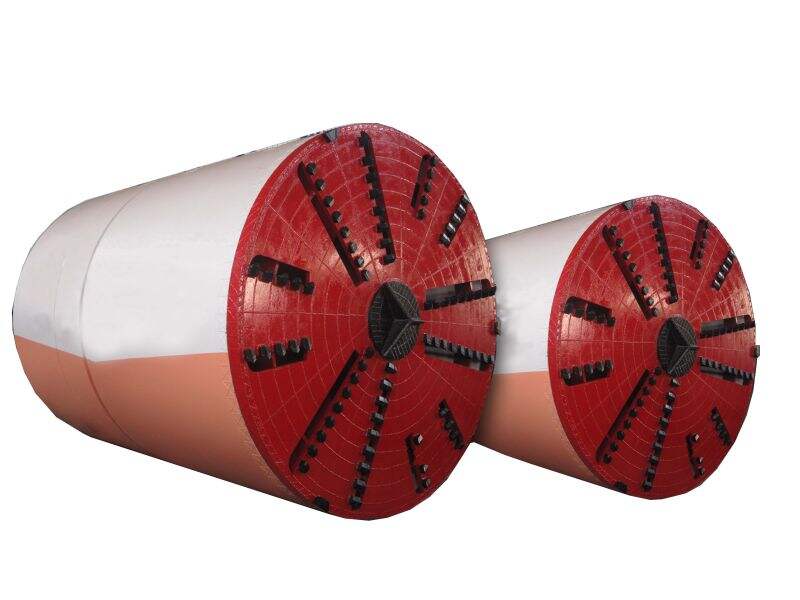
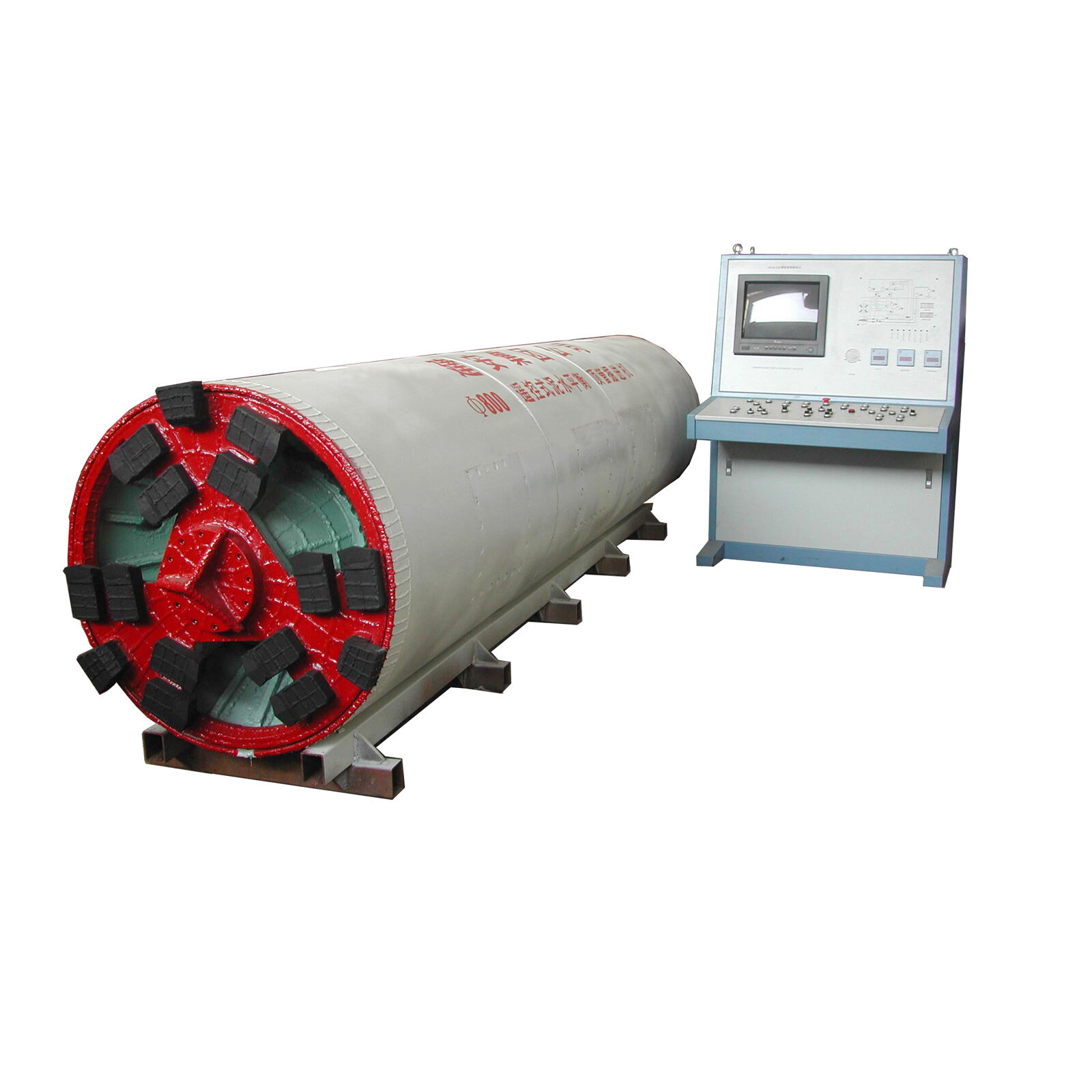
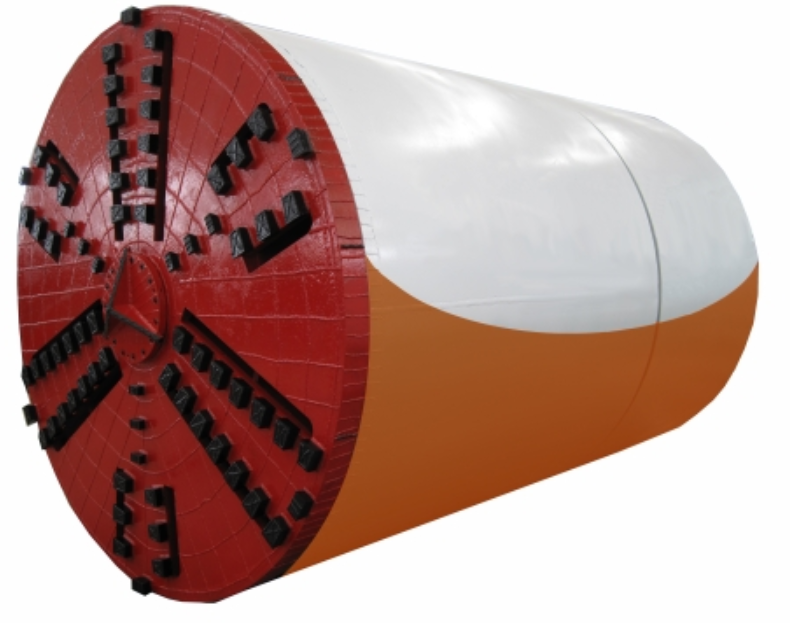
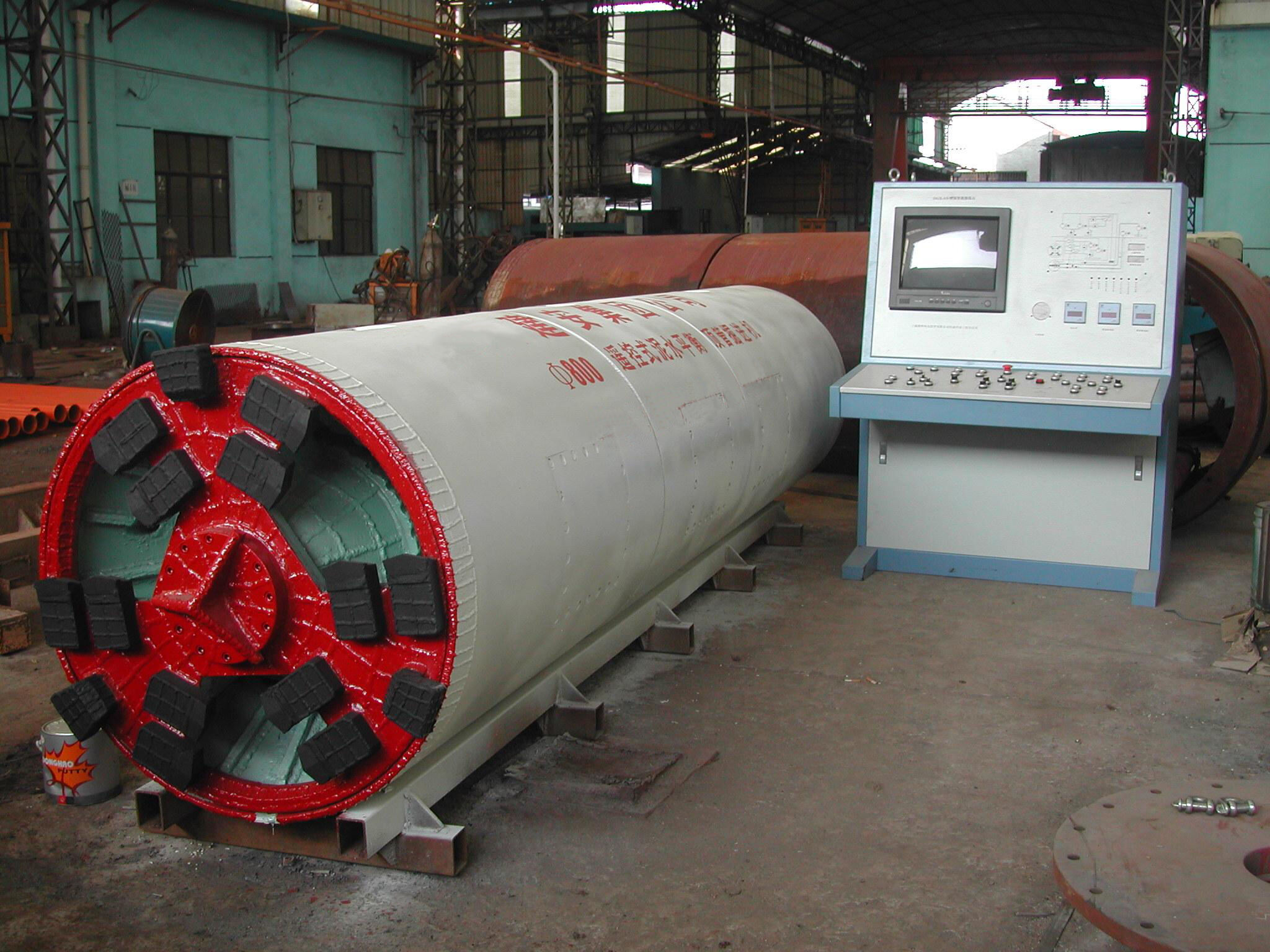
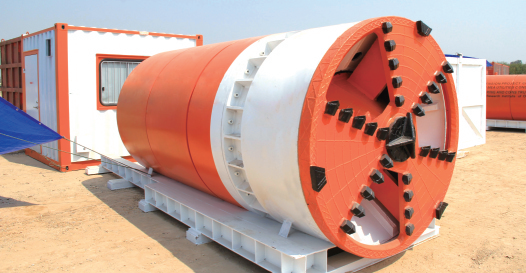
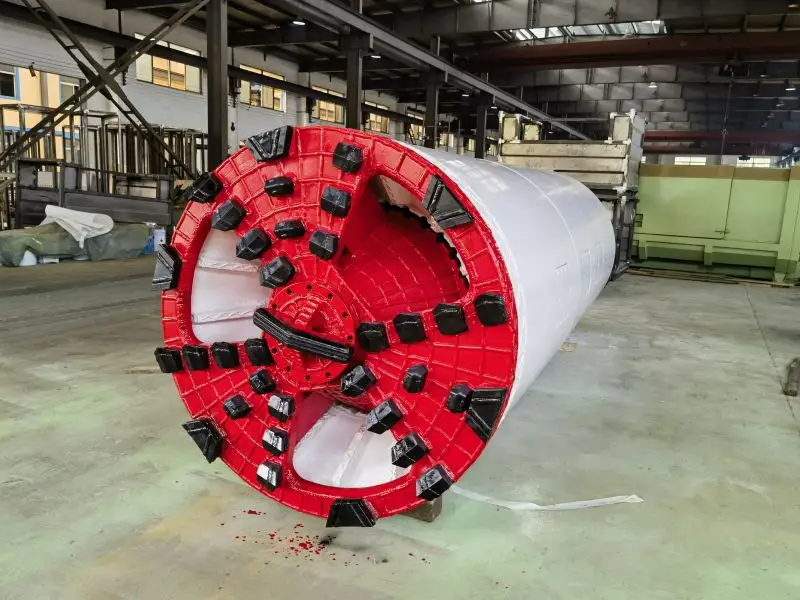
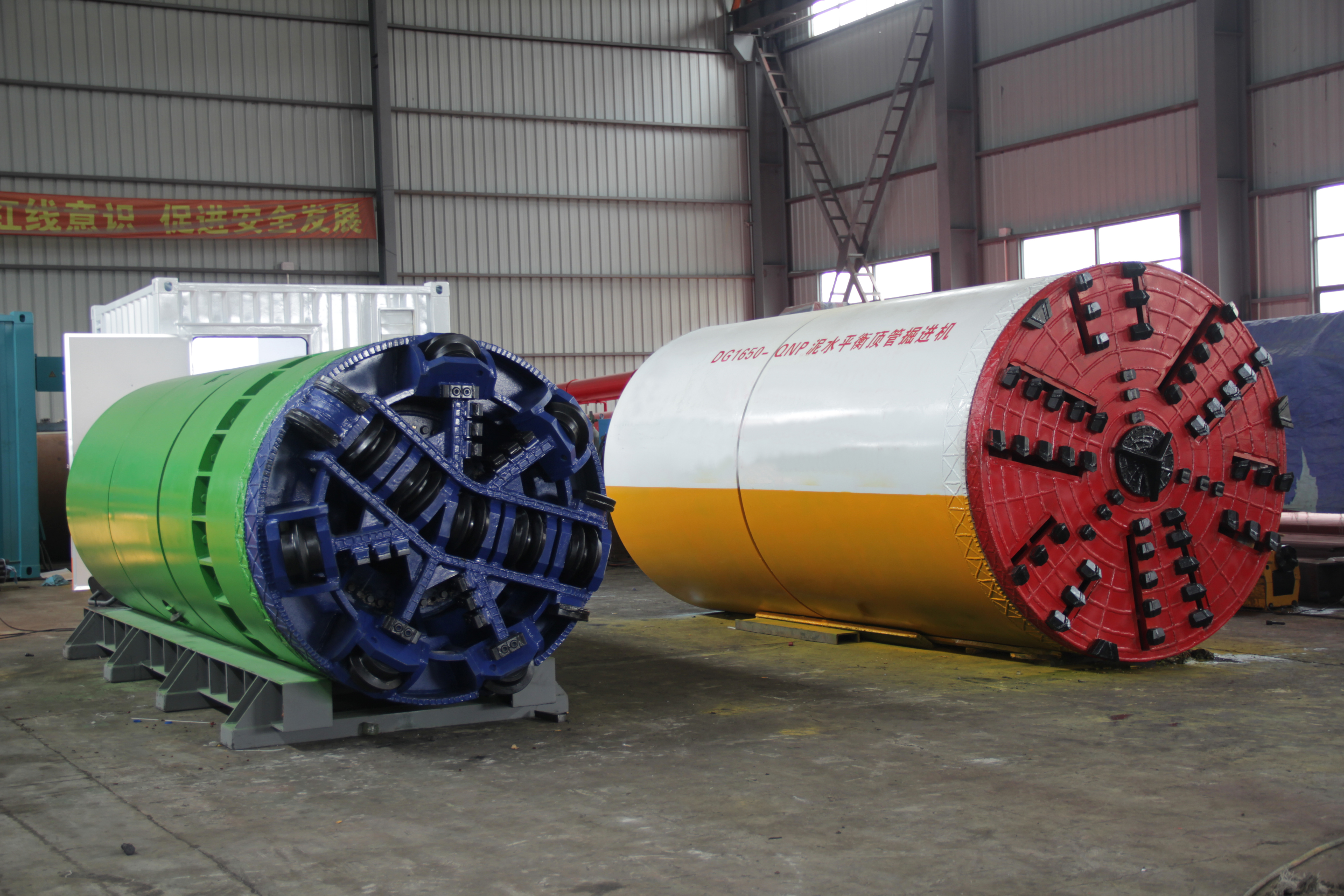
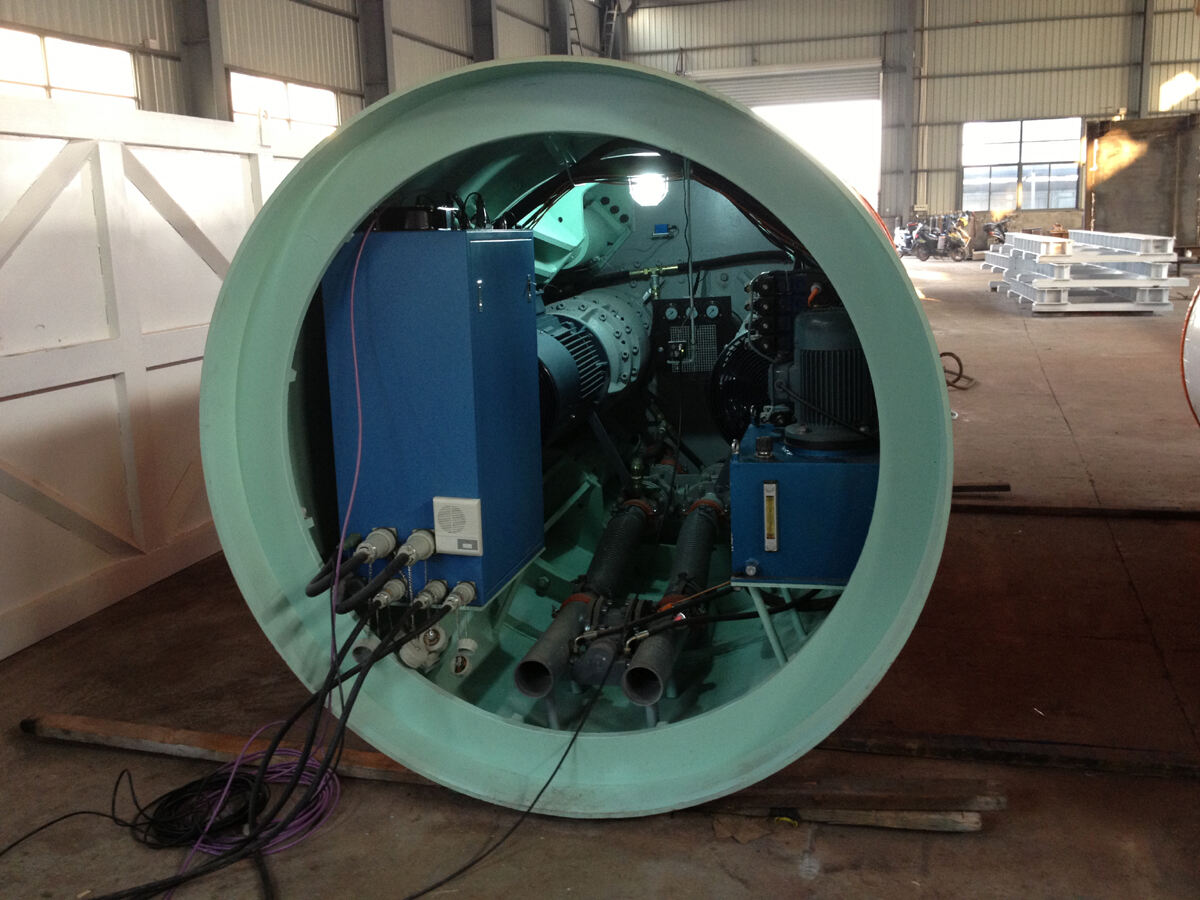
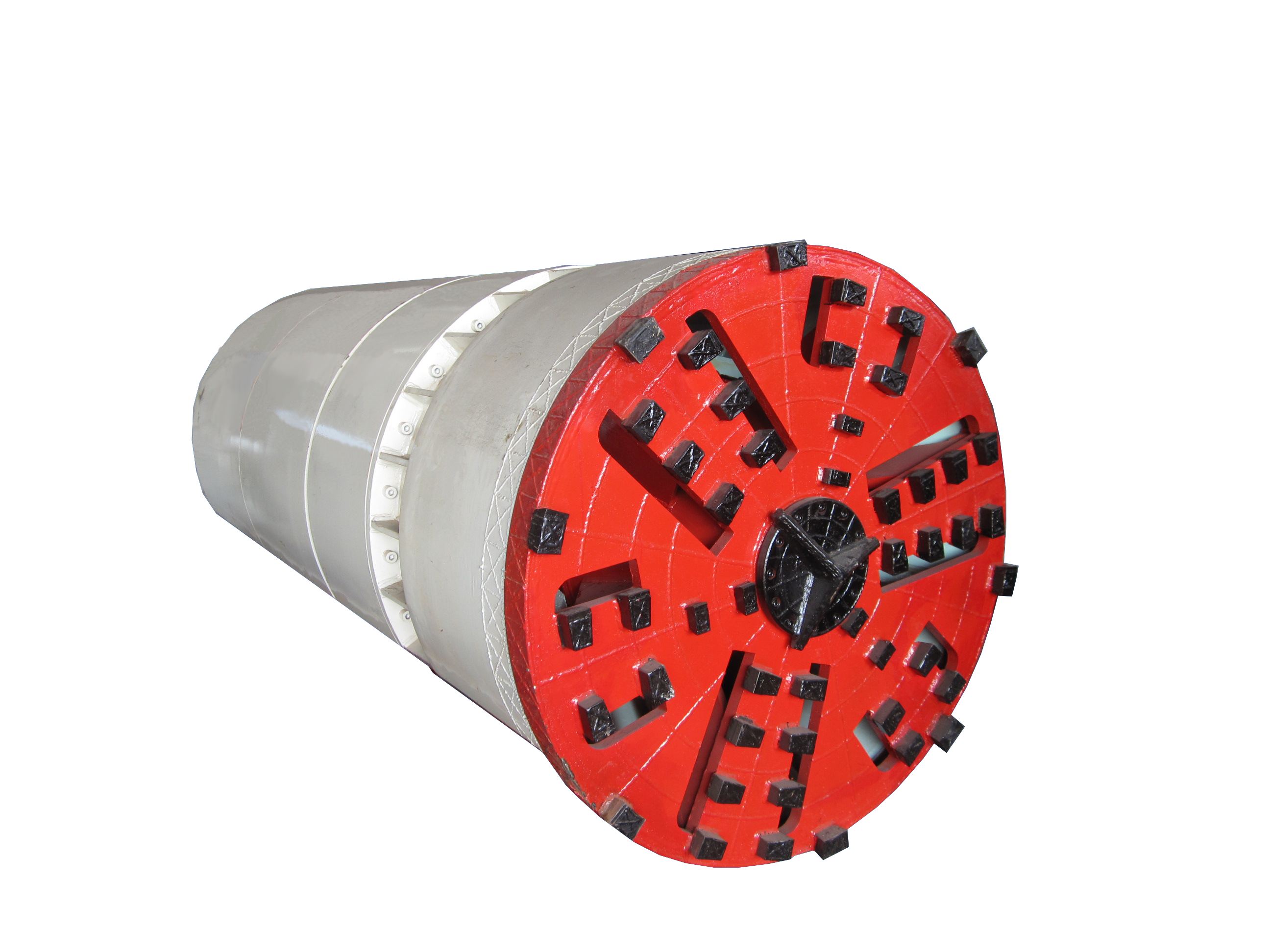
Სადგურის მიერ შესრულებული მილების ჩაყენების სისტემა გამოირჩევა განსაკუთრებული მრავალფეროვნებით სხვადასხვა საწყისი პირობების მოსარგებლად, რაც მის გამოყენებას შესაძლებლად ხდის თითქმის ნებისმიერ გეოლოგიურ გარემოში, სადაც საჭიროებულია ქვემიწა ინფრასტრუქტურის მოწყობა. ეს მრავალფეროვნება მომდინარეობს სისტემის უნარიდან განსხვავებული ნიადაგის ტიპების, მიწისქვეშა წყლის პირობების და გეოლოგიური გამოწვევების მოსარგებლად სპეციალიზებული აღჭურვილობის კონფიგურაციებისა და მოწყობის ტექნიკების გამოყენებით. ხელსაყრელ ნიადაგში, როგორიცაა თიხა, თიხოვანი ნიადაგი და მოხლართული ქვიშა, მილების ჩაყენების სისტემა იყენებს მიწის წნევის ბალანსირების მანქანებს, რომლებიც არჩევენ გამოკვეთის სტაბილურობას და ეფექტურად ამოიღებენ გამოკვეთილ მასალას. ეს მანქანები გამოიყენებენ კონტროლირებულ წნევას გამოკვეთის წინა მხარის მხარდაჭერად, რაც თავიდან აიცილებს ჩამოვარდნებს და მიწის დაცემას, რომელიც შეიძლება დაზარდოს ზედაპირზე არსებული სტრუქტურები ან არსებული კომუნიკაციები. უფრო მკვრივ ნიადაგში, როგორიცაა სიმკვრივის მაღალი ნიადაგი, გამოხატული ქანები და მყარი ქანების ფორმაციები, სისტემა იყენებს ძლიერ კვეთის ინსტრუმენტებს და ქანების გამოკვეთის აღჭურვილობას, რომლებიც სპეციალურად შეიმუშავებულია ამ გამოწვევების მოსარგებლად. მრავალფეროვნება ვრცელდება შერეულ ნიადაგშიც, სადაც ნიადაგის ტიპები იცვლება მოწყობის მარშრუტზე, რადგან მილების ჩაყენების სისტემა შეძლებს რეალურ დროში შეცვალოს გამოკვეთის მეთოდები რათა შეინარჩუნოს ოპტიმალური შედეგი. მიწისქვეშა წყლის მართვა ექსპერტულად ხდება წყლის გამოცხრობის სისტემების და წყლის გამძლე გამოკვეთის ტექნიკების საშუალებით, რომლებიც თავიდან აიცილებს წყლის შეღწევას და შენარჩუნებს შუშოს მშრომელთა მუშაობის პირობებს. სისტემის მრავალფეროვნება განსაკუთრებით გამოიხატება დაბინძურებული ნიადაგის პირობებშიც, სადაც შეიძლება განხორციელდეს სპეციალიზებული მოვლის და განკარგვის პროტოკოლები ზედაპირზე გამოხატვის რისკების გარეშე. ქალაქური გარემო წარმოადგენს უნიკალურ გამოწვევებს, მათ შორის არსებული კომუნიკაციები, სარემონტო საფუძვლები და ქვემიწა სტრუქტურები, რომლებიც მილების ჩაყენების სისტემა შეძლებს გადალახვას სწორად შერჩეული მარშრუტის განსაზღვრით და სიზუსტის მაღალი დონის მოწყობის ტექნიკებით. ტექნოლოგია შეიძლება მოერგოს სხვადასხვა ზომის და მასალის მილებს — პატარა კომუნიკაციების კორიდორებიდან დიდი დიამეტრის ტრანსპორტის და მთავარი ინფრასტრუქტურის სისტემების გამოკვეთებამდე. მოწყობის სიღრმე შეიძლება იყოს პატარა კომუნიკაციების მოწყობის სიღრმიდან საშუალო და ღრმა გამოკვეთების სისტემებამდე, ხოლო მილების ჩაყენების სისტემა მთელი ამ სიგრძის განმავლობაში შენარჩუნებს თავის ეფექტურობას. მილების ჩაყენების სისტემის მრავალფეროვნება ვრცელდება რთულ გეომეტრიულ ფორმებზეც, მათ შორის მრუდი მიმართულებები და ცვალებადი დახრები, რაც მიიღწევა სეგმენტული მილების დიზაინით და მოწინავე მართვის შესაძლებლობებით. ეს განსაკუთრებული მორგებადობა მილების ჩაყენების სისტემას ხდის იდეალურ არჩევანს იმ პროექტებისთვის, სადაც ნიადაგის პირობები არ არის ცნობილი ან განსაკუთრებით რთული, რაც უზრუნველყოფს სანდო შედეგებს ნებისმიერი ქვემიწა პირობების შემთხვევაში.

 EN
EN
 AR
AR BG
BG HR
HR CS
CS FR
FR DE
DE EL
EL HI
HI IT
IT JA
JA KO
KO RO
RO RU
RU ES
ES TL
TL ID
ID LT
LT SK
SK SL
SL UK
UK VI
VI ET
ET TH
TH TR
TR FA
FA AF
AF MS
MS HY
HY AZ
AZ KA
KA BN
BN LO
LO LA
LA MN
MN NE
NE MY
MY KK
KK UZ
UZ KY
KY