Advanced Microtunneling Machine Solutions - Precision Underground Construction Equipment

Contact me immediately if you encounter problems!

All Categories

Get a Free Quote

Our representative will contact you soon.
Email
Name
Company Name
Message
0/1000

microtunneling machine

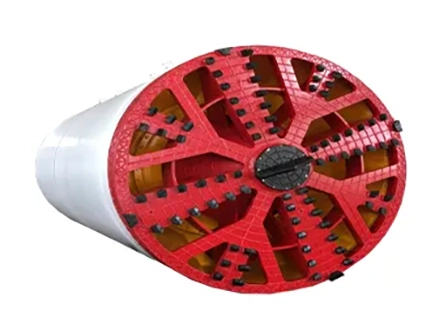
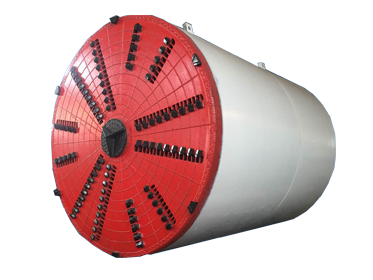
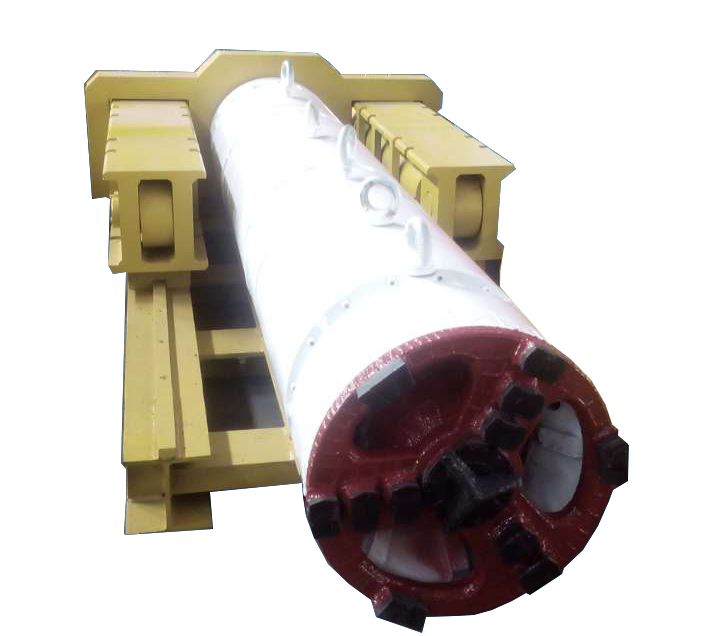
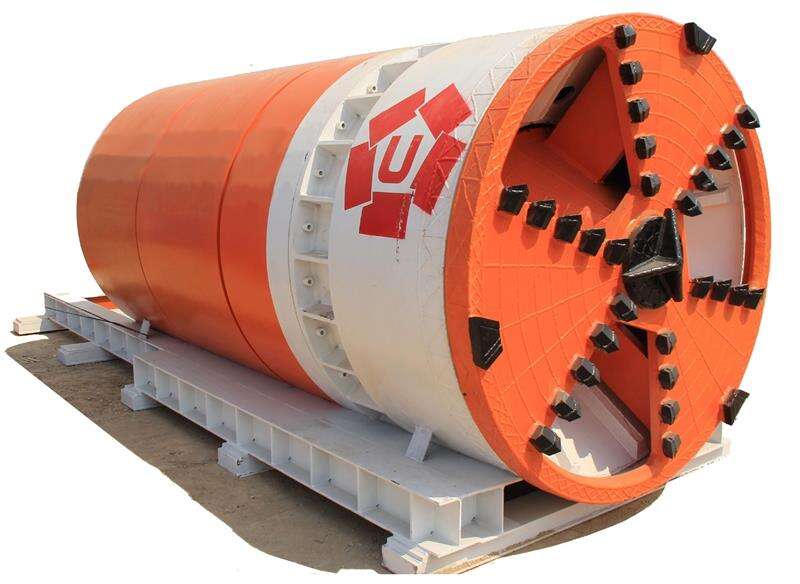
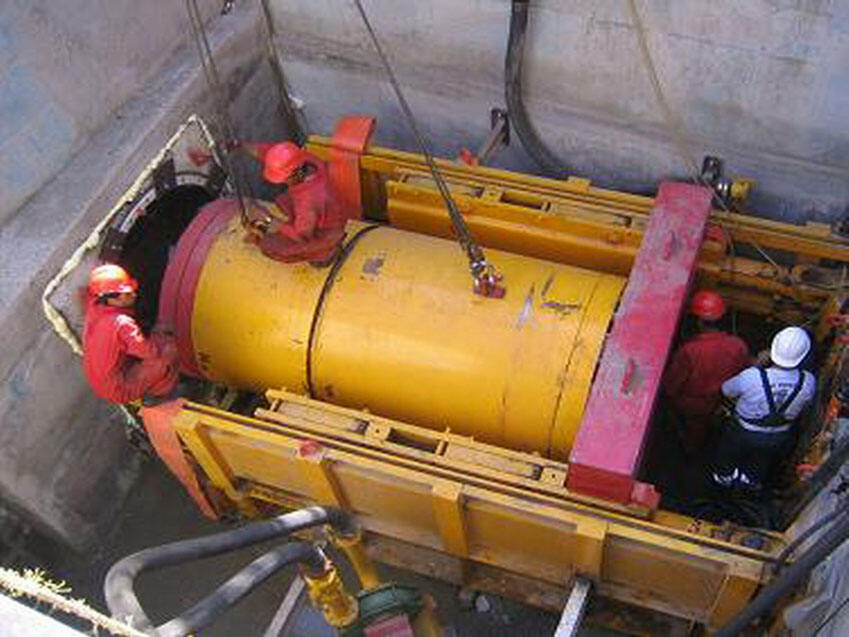
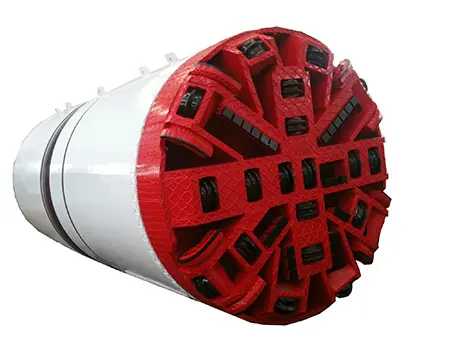
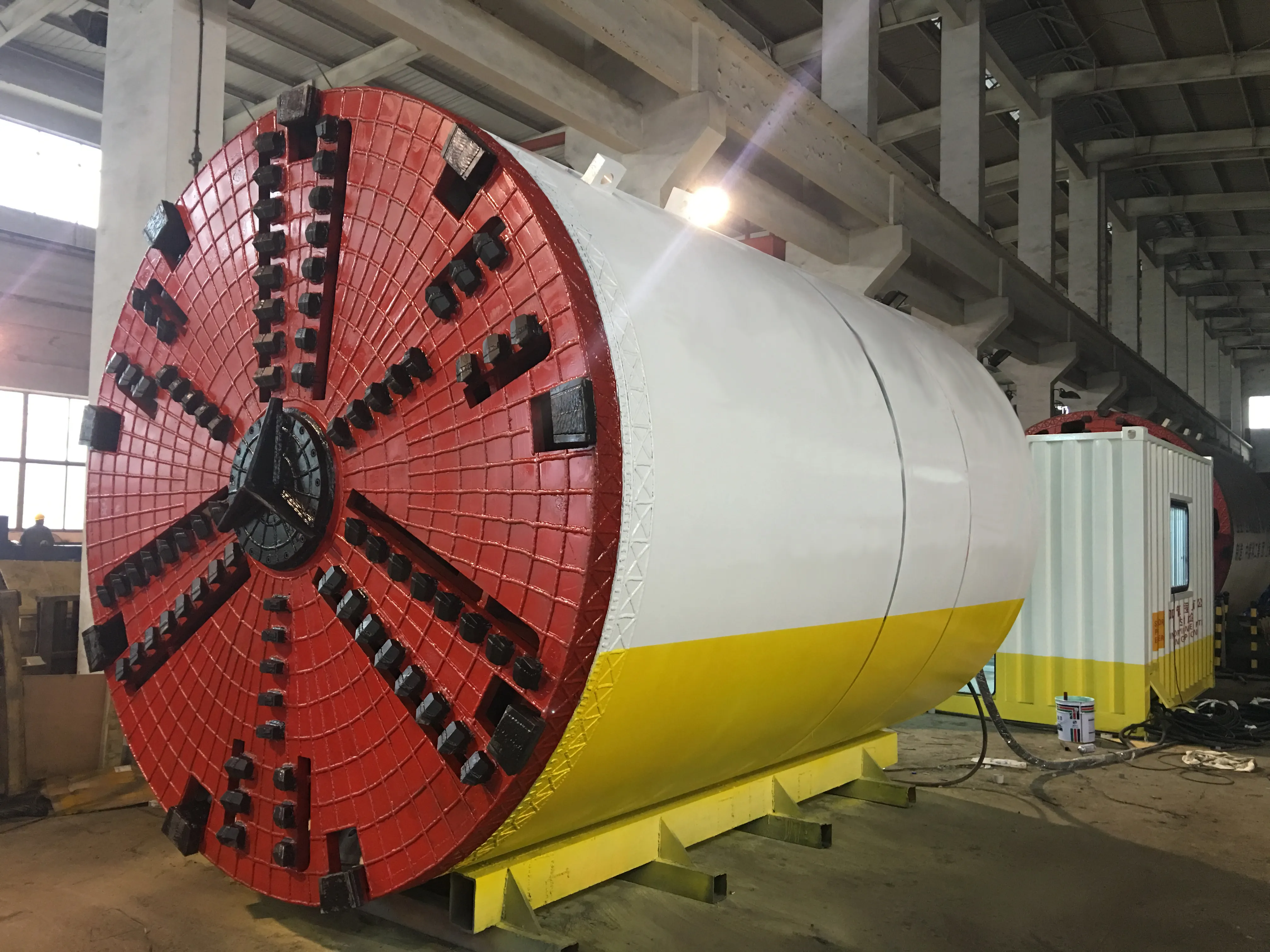
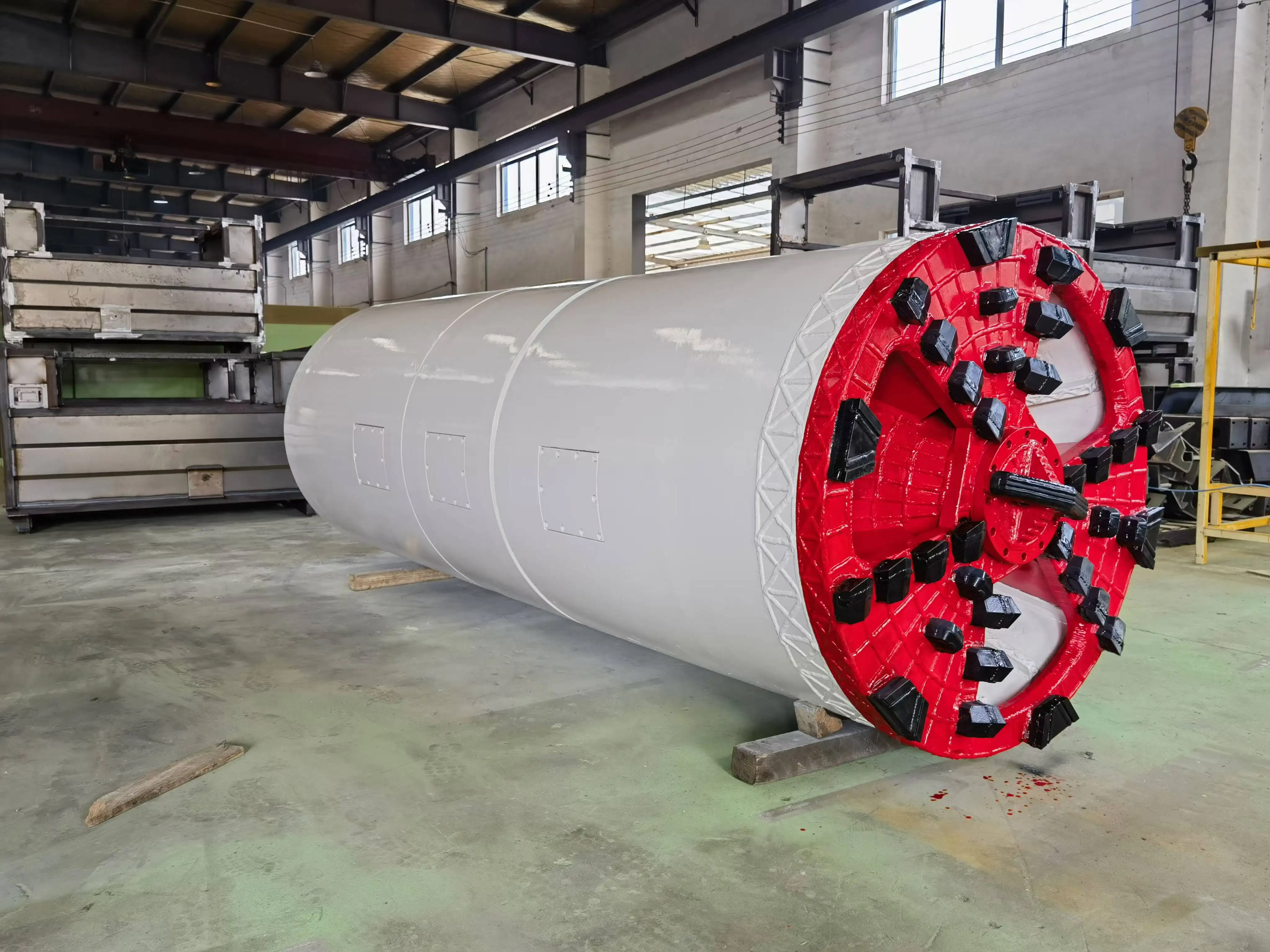
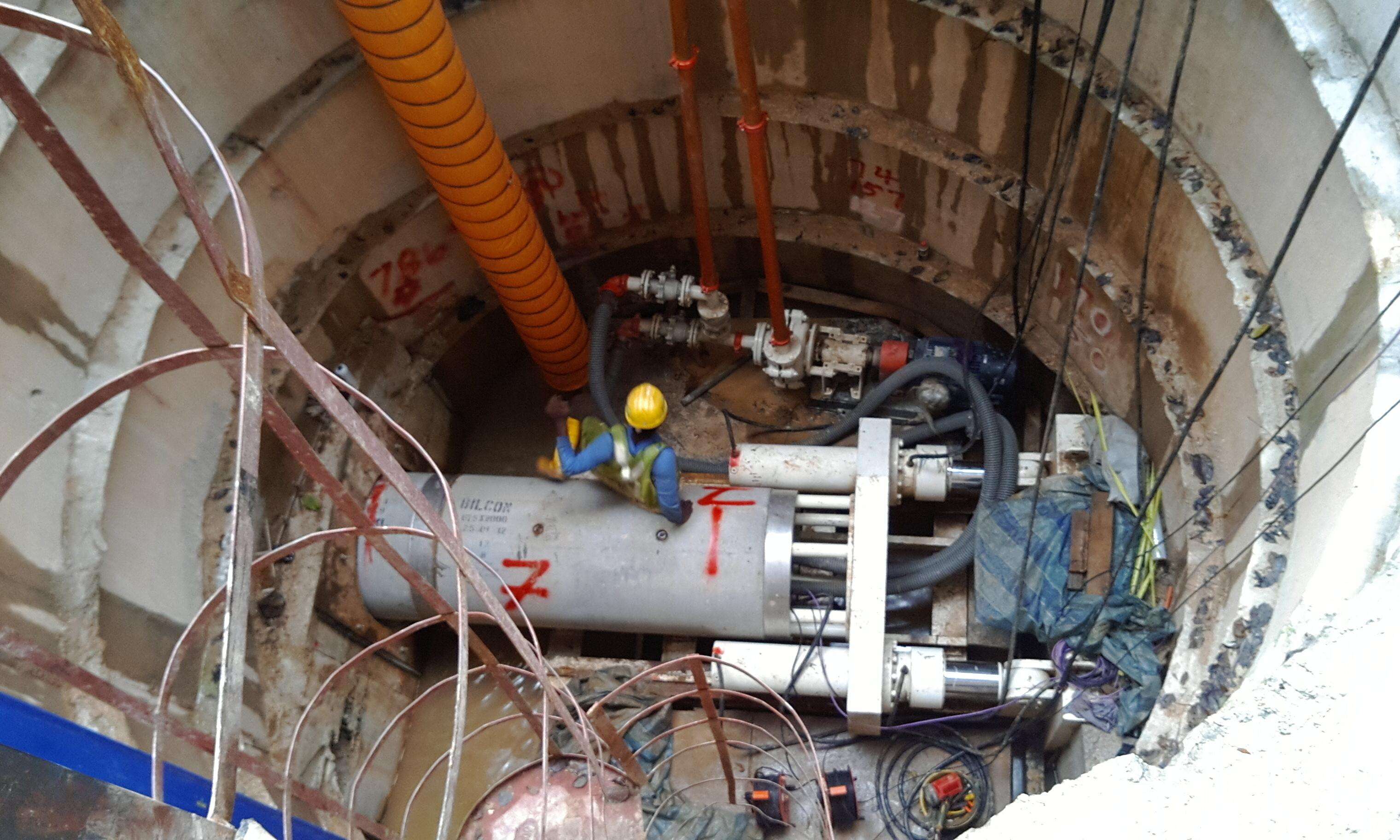
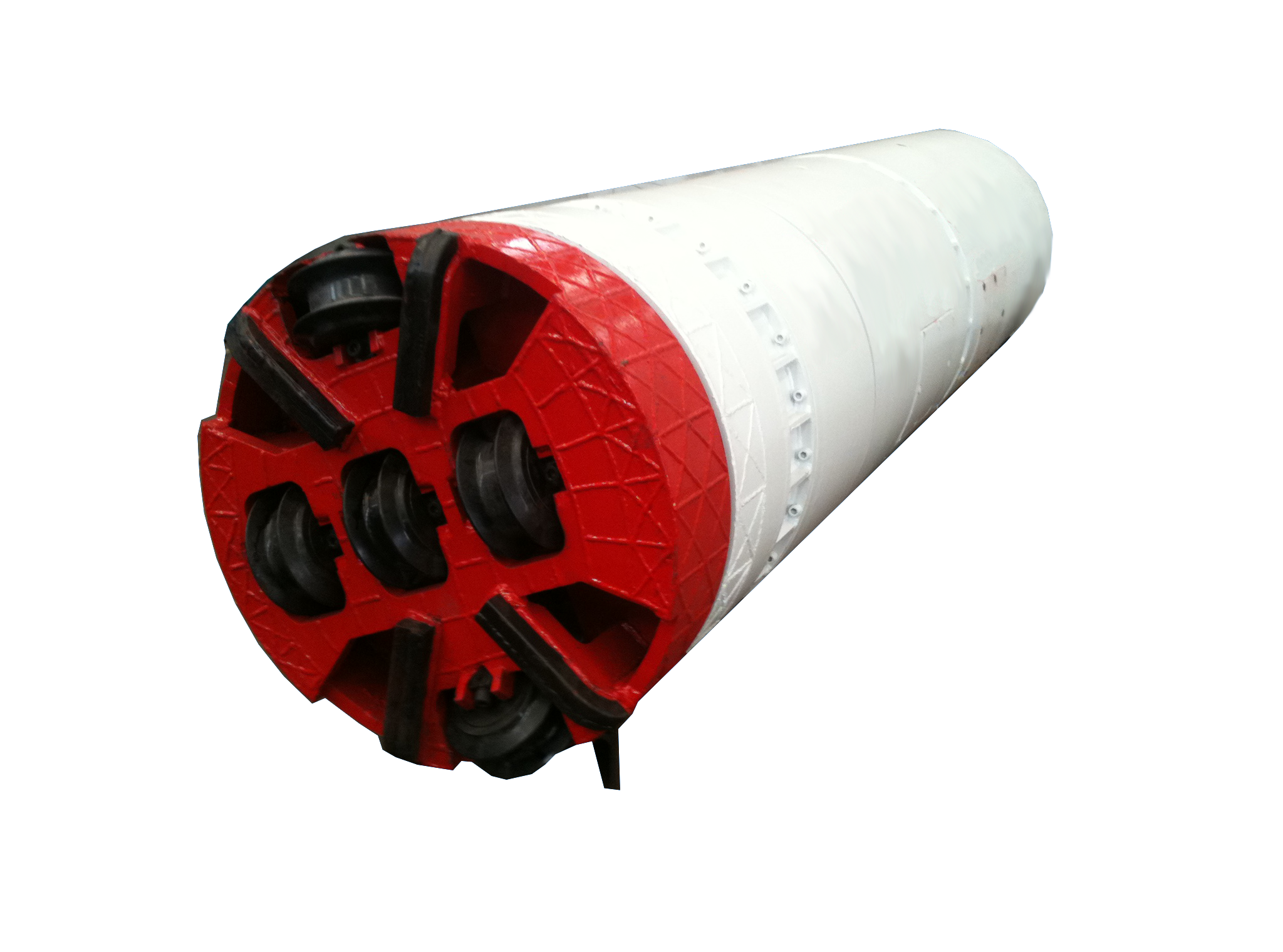
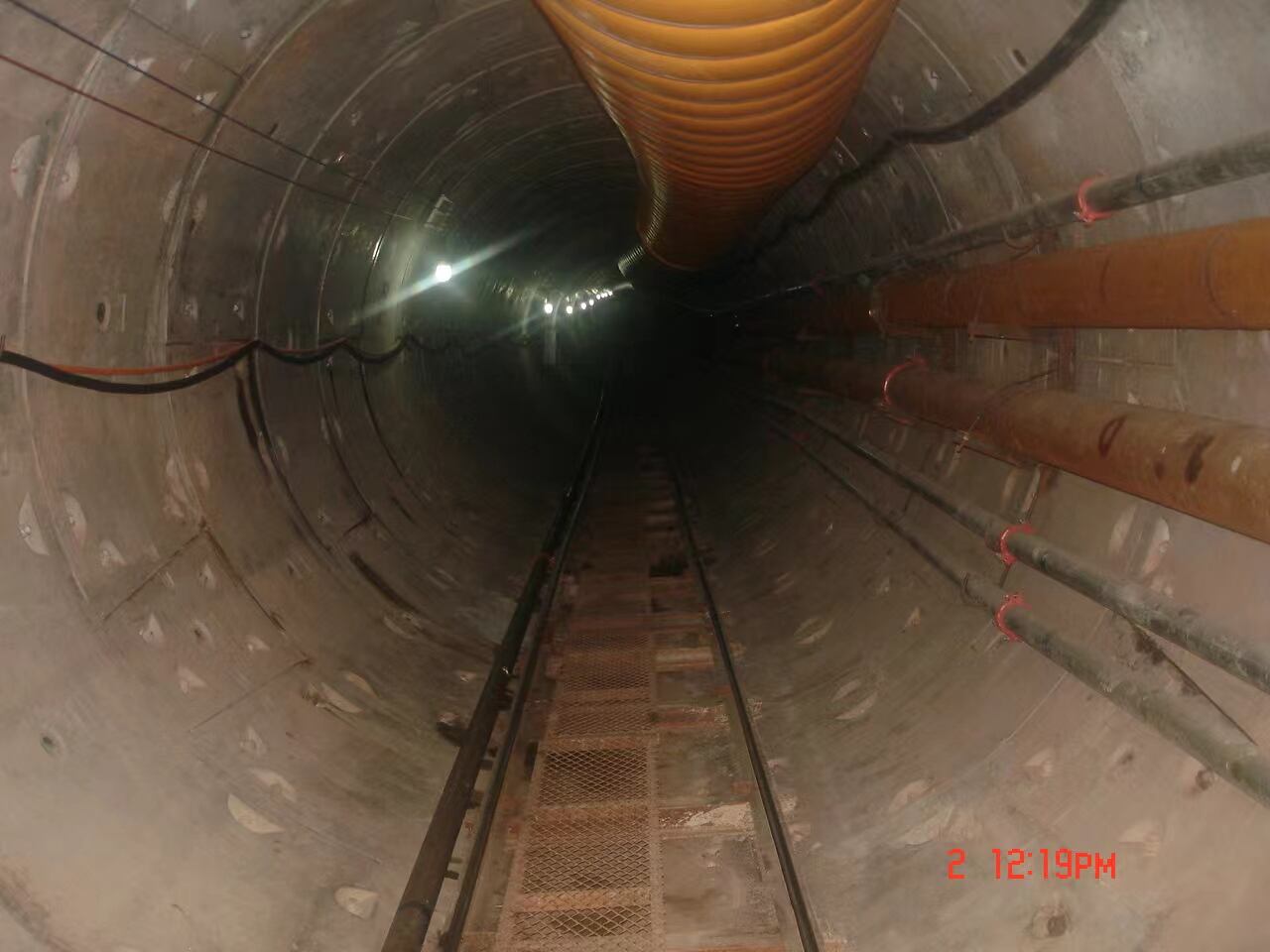
The microtunneling machine represents a revolutionary advancement in trenchless construction technology, designed to create precise underground tunnels with minimal surface disruption. This sophisticated equipment utilizes a combination of boring, excavation, and pipe installation capabilities to establish underground pathways for utilities, drainage systems, and infrastructure projects. The microtunneling machine operates through a controlled boring process that simultaneously excavates soil and installs protective pipes, ensuring structural integrity throughout the tunneling operation. Modern microtunneling machines incorporate advanced guidance systems that provide real-time positioning data, allowing operators to maintain precise tunnel alignment and grade control. The equipment features powerful cutting heads specifically engineered to handle various soil conditions, from soft clay to hard rock formations. Hydraulic systems within the microtunneling machine generate the necessary thrust forces to advance through challenging ground conditions while maintaining consistent progress rates. The machine's modular design allows for customization based on specific project requirements, including tunnel diameter, soil conditions, and installation depth. Technological features include automated lubrication systems, computerized monitoring interfaces, and remote control capabilities that enhance operational efficiency and safety. The microtunneling machine serves multiple applications across municipal infrastructure development, including sewer line installation, water main placement, telecommunications conduit installation, and storm drainage system construction. Construction companies utilize these machines for projects ranging from residential developments to major urban infrastructure initiatives. The equipment's versatility extends to industrial applications, where precise underground installations are required for manufacturing facilities, chemical plants, and energy distribution networks. Environmental consulting firms increasingly recommend microtunneling machines for projects in environmentally sensitive areas where traditional excavation methods would cause significant ecological disruption. The technology continues to evolve with enhanced automation features, improved cutting mechanisms, and more sophisticated guidance systems that increase accuracy and reduce project completion times.

New Product Releases

The microtunneling machine offers substantial cost savings compared to traditional open-cut excavation methods by eliminating the need for extensive surface restoration and traffic management. Construction projects benefit from reduced labor requirements as the machine operates with smaller crews while maintaining higher productivity levels throughout the installation process. Surface disruption becomes minimal when using microtunneling machines, preserving existing pavement, landscaping, and infrastructure that would otherwise require costly replacement or repair. The equipment enables continuous operation in various weather conditions, unlike conventional excavation that stops during rain, snow, or extreme temperatures, ensuring consistent project schedules. Environmental benefits include reduced carbon emissions from heavy equipment and trucks that transport excavated materials, contributing to more sustainable construction practices. Safety improvements result from minimized worker exposure to traffic hazards, cave-in risks, and hazardous underground conditions that are common with traditional digging methods. The microtunneling machine provides superior accuracy in pipe placement, reducing the likelihood of costly rework and ensuring proper system functionality from initial installation. Project timelines accelerate significantly as the machine works faster than manual excavation while simultaneously installing pipes, eliminating separate installation phases. Utility companies experience fewer service interruptions because microtunneling machines avoid damaging existing underground infrastructure that often occurs during conventional digging operations. Property owners benefit from maintained access to driveways, parking areas, and building entrances throughout construction periods, reducing business disruptions and residential inconveniences. The technology proves particularly valuable in urban environments where space constraints make traditional excavation impractical or impossible. Long-term maintenance costs decrease because properly installed pipes through microtunneling experience fewer joint failures and alignment issues compared to conventionally installed systems. Insurance companies often provide reduced premiums for projects using microtunneling machines due to lower risk profiles associated with trenchless construction methods. Quality control improves through real-time monitoring systems that detect and correct installation issues immediately rather than discovering problems after project completion.

Latest News

How Does A Micro Tunneling Machine Improve Underground Projects?

16

Oct

How Does A Micro Tunneling Machine Improve Underground Projects?

Revolutionary Underground Construction with Advanced Tunneling Technology The evolution of underground construction has taken a significant leap forward with micro tunneling machine technology. This sophisticated equipment has transformed how we appr...
View More
Maintenance and Care Tips for Tunnel Drilling Machines

24

Oct

Maintenance and Care Tips for Tunnel Drilling Machines

Preventative Maintenance to Maximize Uptime and Reduce Costs The Role of Preventative Maintenance in Reducing Equipment Downtime Keeping tunnel drilling machines well maintained ahead of time stops expensive work stoppages because problems get fixed...
View More
What are the advantages of using micro tunneling machines for underground construction?

24

Oct

What are the advantages of using micro tunneling machines for underground construction?

Minimally Disruptive Installation with Micro Tunneling MachinesMicro tunneling machines have revolutionized underground construction by enabling precise installations with minimal surface disruption. This approach eliminates the need for extensive ex...
View More
How does the choice of EPB Pipe Jacking Machine affect project costs and timelines?

24

Oct

How does the choice of EPB Pipe Jacking Machine affect project costs and timelines?

Understanding EPB Pipe Jacking Machines and Their Role in Trenchless ConstructionWhat is an Earth Pressure Balance (EPB) Pipe Jacking Machine?The Earth Pressure Balance or EPB pipe jacking machine works as a tunnel boring system that does two things ...
View More

Get a Free Quote

Our representative will contact you soon.
Email
Name
Company Name
Message
0/1000

microtunneling machine

Precision Guidance Technology

Precision Guidance Technology

The microtunneling machine incorporates state-of-the-art precision guidance technology that revolutionizes underground construction accuracy and reliability. This advanced system utilizes laser guidance, GPS positioning, and sophisticated sensors to maintain exact tunnel alignment throughout the entire boring process. The guidance technology continuously monitors the machine's position in three-dimensional space, providing real-time feedback to operators who can make immediate corrections to maintain the predetermined path. This precision eliminates the guesswork traditionally associated with underground construction and ensures that pipes are installed exactly where engineers intended them to be. The system's accuracy typically exceeds industry standards, with deviation tolerances measured in millimeters rather than inches, providing exceptional quality control for critical infrastructure projects. Construction managers appreciate how this technology reduces the risk of hitting existing utilities, as the guidance system can detect and navigate around obstacles while maintaining the planned route. The precision guidance technology also enables the microtunneling machine to work in complex underground environments where multiple utility lines exist, threading new installations through tight spaces without compromising existing infrastructure. This capability proves invaluable in urban areas where underground congestion presents significant challenges for traditional construction methods. Engineering firms benefit from the technology's data logging capabilities, which create permanent records of actual installation positions for future reference and maintenance planning. The system's integration with project management software allows real-time progress monitoring and quality assurance documentation that satisfies regulatory requirements and client specifications. Remote monitoring capabilities enable project supervisors to track progress from off-site locations, improving project coordination and reducing on-site supervision costs while maintaining quality oversight.
Versatile Soil Handling Capabilities

Versatile Soil Handling Capabilities

The microtunneling machine excels in diverse soil conditions through its versatile soil handling capabilities that adapt to varying ground compositions encountered during underground construction projects. This adaptability stems from interchangeable cutting heads designed for specific soil types, ranging from soft sediments to consolidated rock formations. The machine's hydraulic systems automatically adjust cutting speed, torque, and advance rate based on real-time soil resistance feedback, optimizing performance while preventing equipment damage. Sophisticated soil conditioning systems inject appropriate additives to modify soil characteristics, making difficult materials easier to excavate while maintaining tunnel stability. The equipment handles mixed soil conditions seamlessly, transitioning between different ground types without stopping or requiring manual adjustments that would slow project progress. Spoil removal systems efficiently transport excavated materials away from the cutting face, preventing clogging and maintaining consistent boring rates regardless of soil composition. The microtunneling machine's ability to work in challenging conditions like high groundwater levels, unstable soils, and contaminated materials expands project possibilities for contractors who previously avoided difficult sites. Geological survey requirements become less critical because the machine adapts to unexpected soil variations encountered during boring operations, reducing pre-construction investigation costs and timeline delays. Environmental remediation projects benefit from the machine's capability to work safely in contaminated soils while containing harmful materials and preventing their spread to surrounding areas. The versatile soil handling system processes clay, sand, gravel, cobbles, and weathered rock without requiring different machines or extensive reconfiguration, improving equipment utilization rates and reducing rental costs. Contractors appreciate the reduced risk of project delays caused by unexpected soil conditions, as the microtunneling machine continues operating effectively when other construction methods would stop for equipment changes or site modifications. Quality assurance improves because consistent boring conditions maintain uniform pipe installation regardless of soil variations along the tunnel route.
Minimal Environmental Impact

Minimal Environmental Impact

The microtunneling machine delivers exceptional environmental benefits through its minimal environmental impact approach to underground construction that preserves surface ecosystems and reduces carbon footprint compared to conventional excavation methods. This trenchless technology eliminates the need for extensive surface disturbance, protecting mature trees, established vegetation, and sensitive habitats that would otherwise be destroyed during open-cut construction. The machine operates with significantly lower noise levels than traditional construction equipment, reducing community disruption and eliminating the need for expensive sound barriers or restricted working hours. Air quality improvements result from reduced dust generation and elimination of large excavation equipment that typically runs continuously throughout project duration, contributing to cleaner local environments. Water resource protection occurs through contained excavation processes that prevent sediment runoff into storm drains, streams, or groundwater systems that often become contaminated during conventional digging operations. The microtunneling machine's efficient operation requires fewer trips by support vehicles, reducing traffic congestion, exhaust emissions, and road wear that typically accompanies large construction projects. Waste generation decreases substantially because precise excavation eliminates over-digging and associated disposal costs while reducing the need for imported backfill materials. Wildlife habitats remain undisturbed as surface areas continue supporting local fauna throughout construction periods, maintaining ecological balance in sensitive environments. Historic preservation benefits from the machine's ability to install utilities near archaeological sites, historic buildings, or culturally significant areas without risking damage from surface excavation. Community relations improve because residents experience minimal disruption to daily routines, maintaining property values and reducing complaints that often accompany traditional construction projects. Long-term environmental benefits include reduced maintenance requirements for properly installed systems, fewer future excavations for repairs, and extended infrastructure life that delays replacement needs. Carbon offset potential exists through the machine's energy-efficient operation and reduced transportation requirements compared to conventional methods that require extensive material hauling and heavy equipment deployment. Regulatory compliance becomes easier because environmental permits often have fewer restrictions for trenchless construction methods, accelerating project approval processes and reducing regulatory costs.

Get a Free Quote

Our representative will contact you soon.
Email
Name
Company Name
Message
0/1000