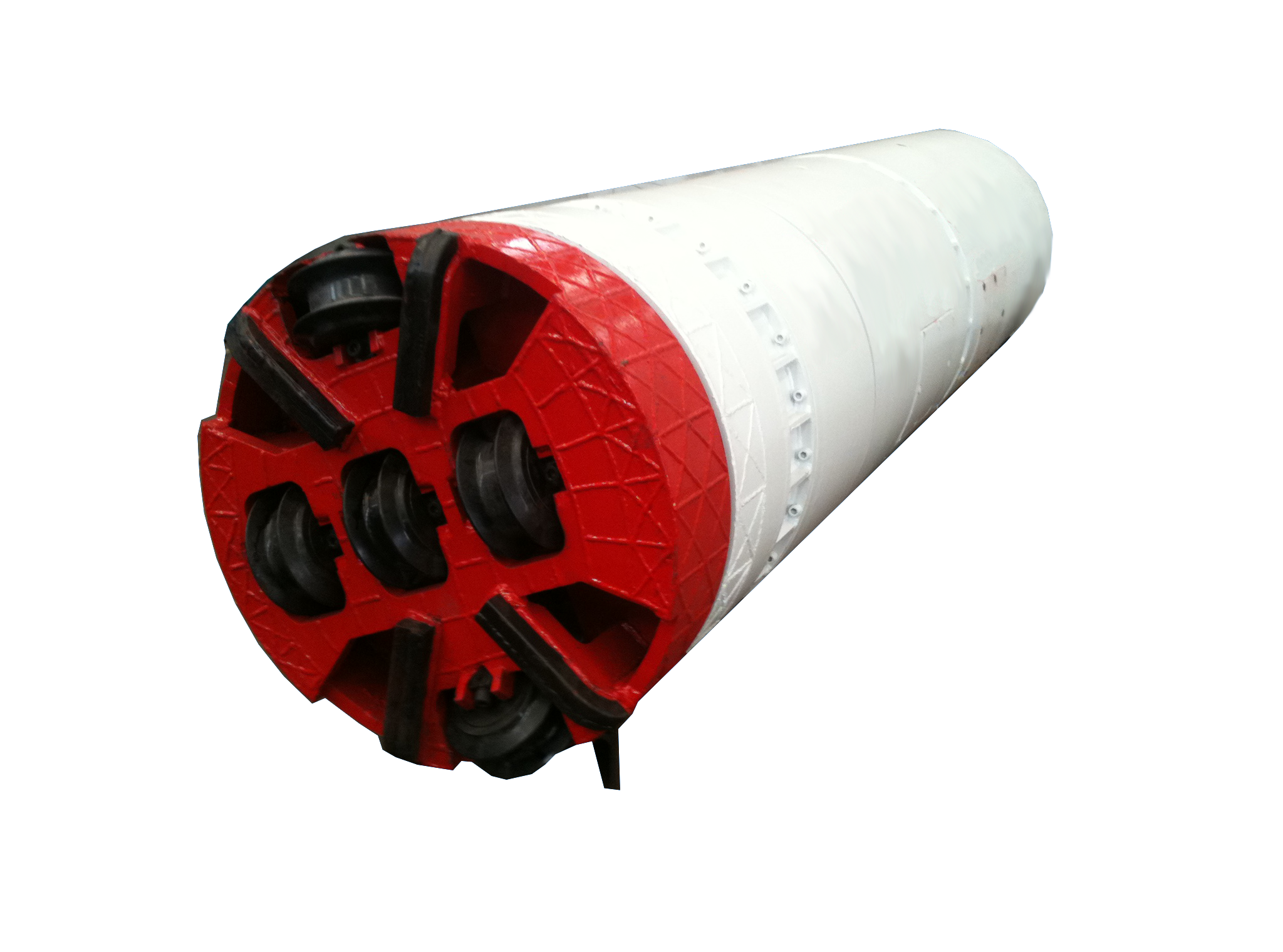
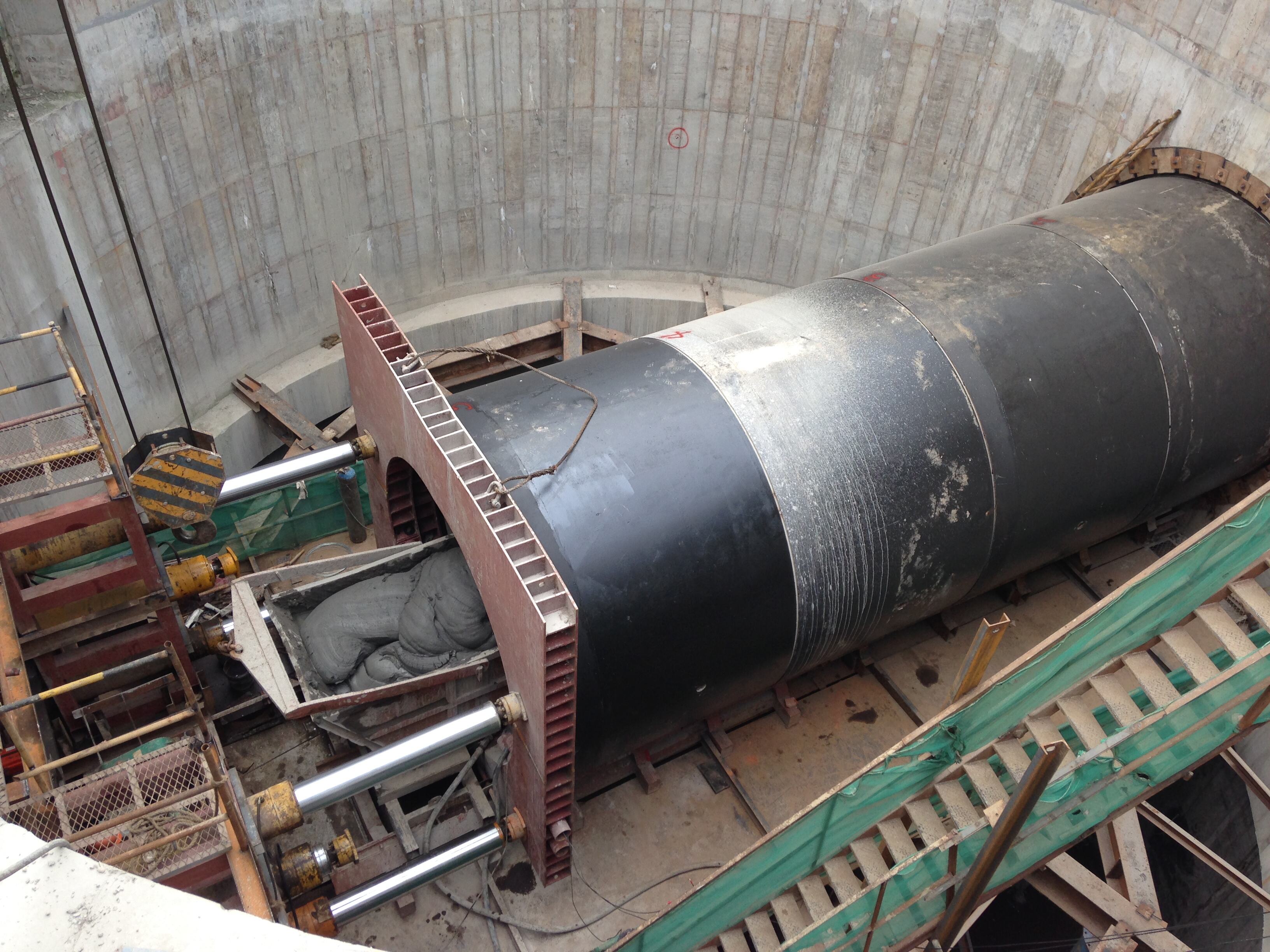
မိုက်ခရိုထွန်းနယ်ဖောက်စက်
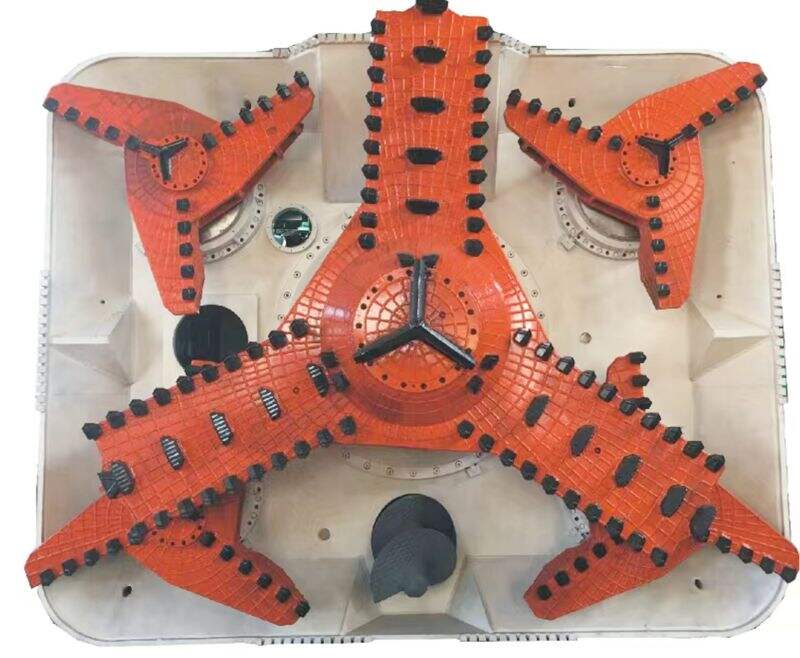
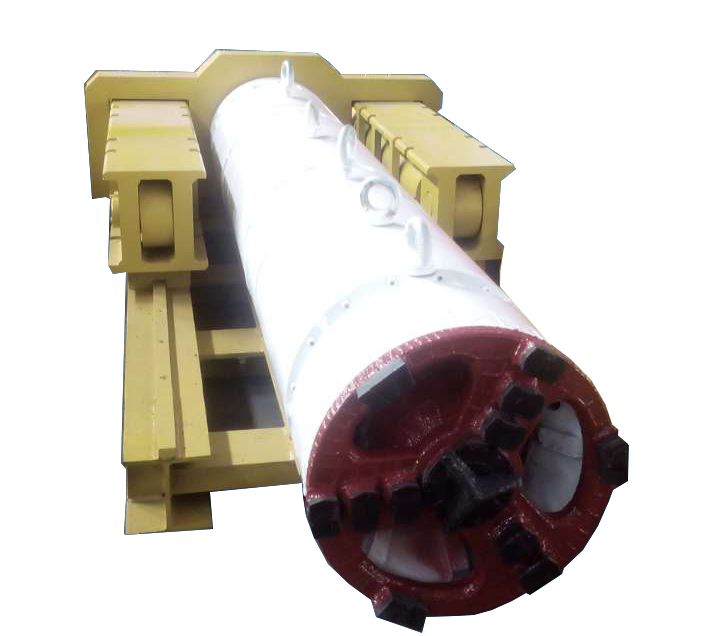
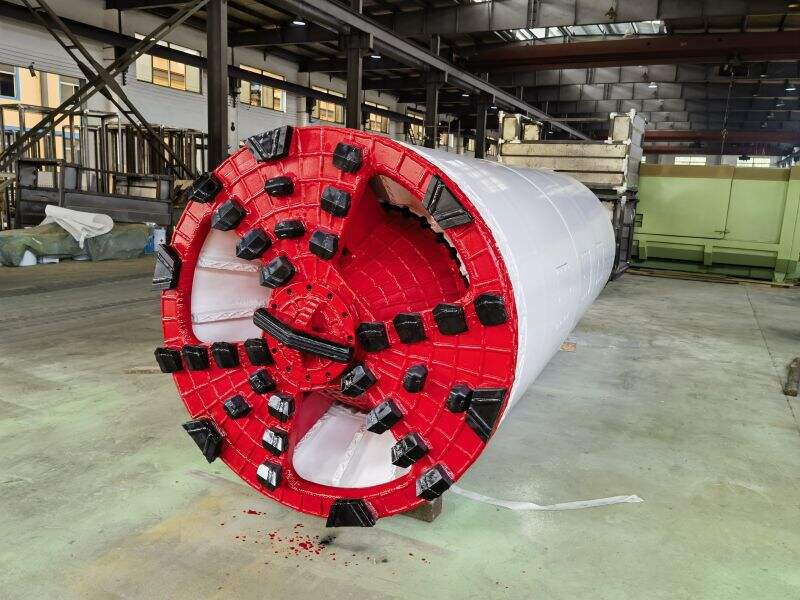
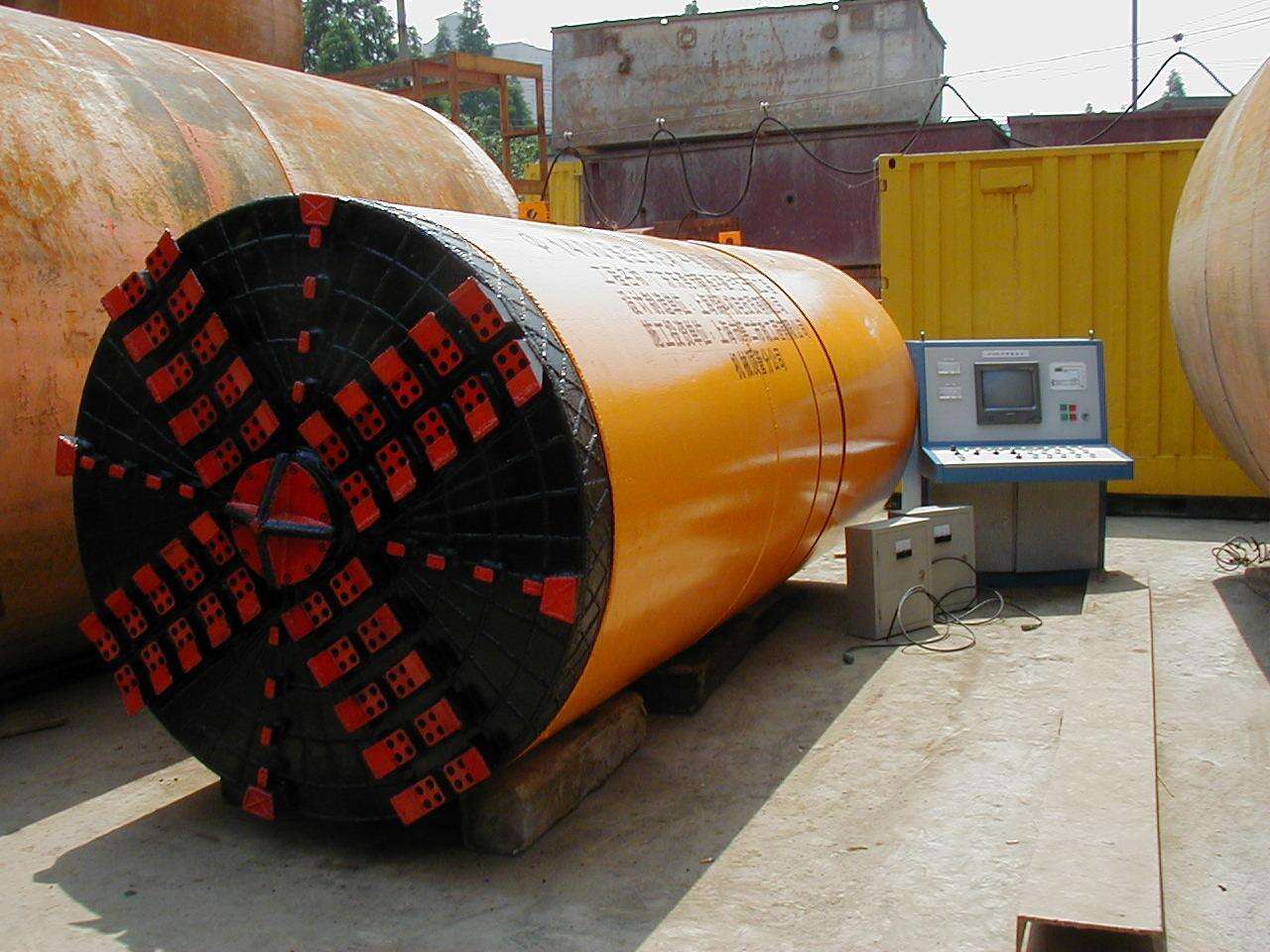
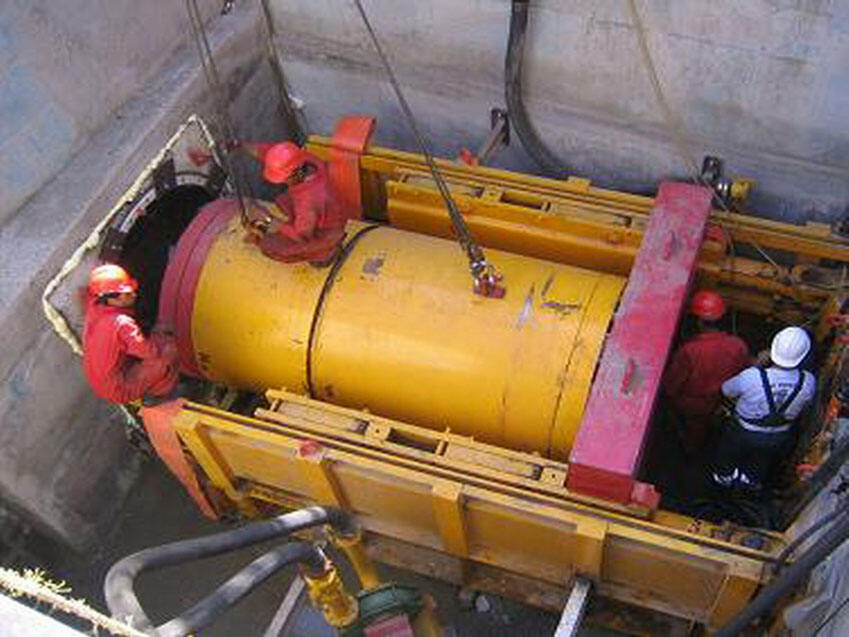
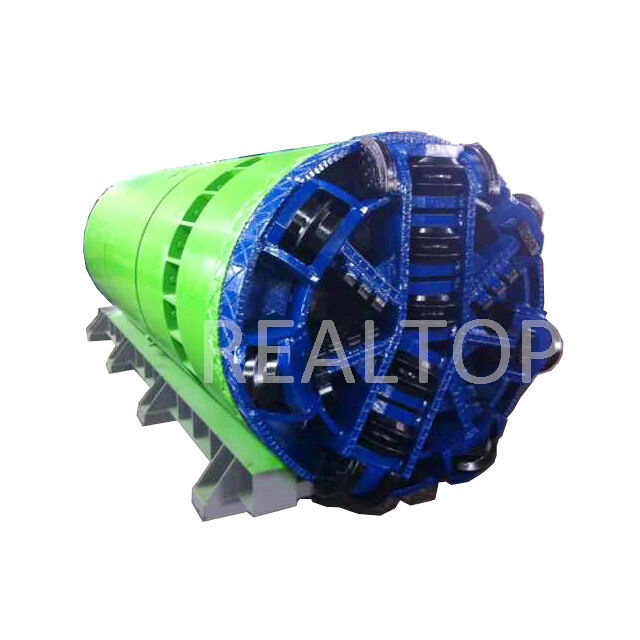
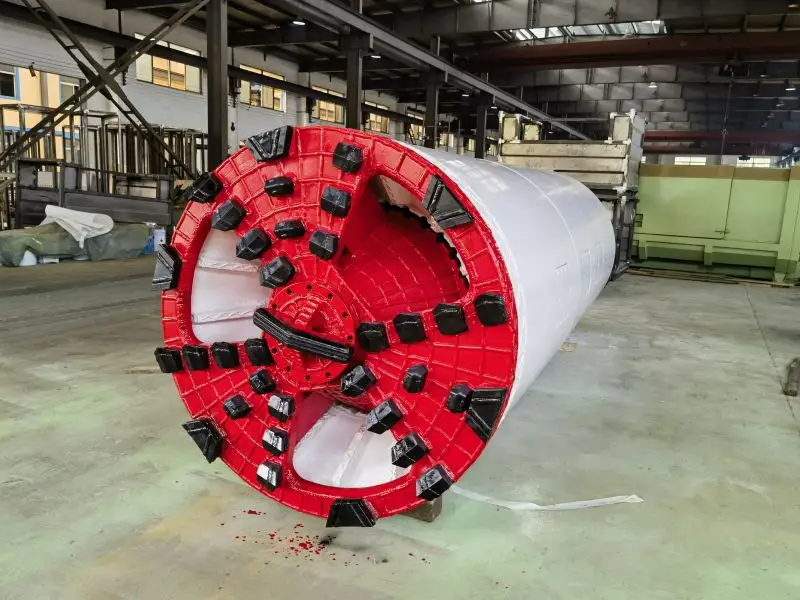
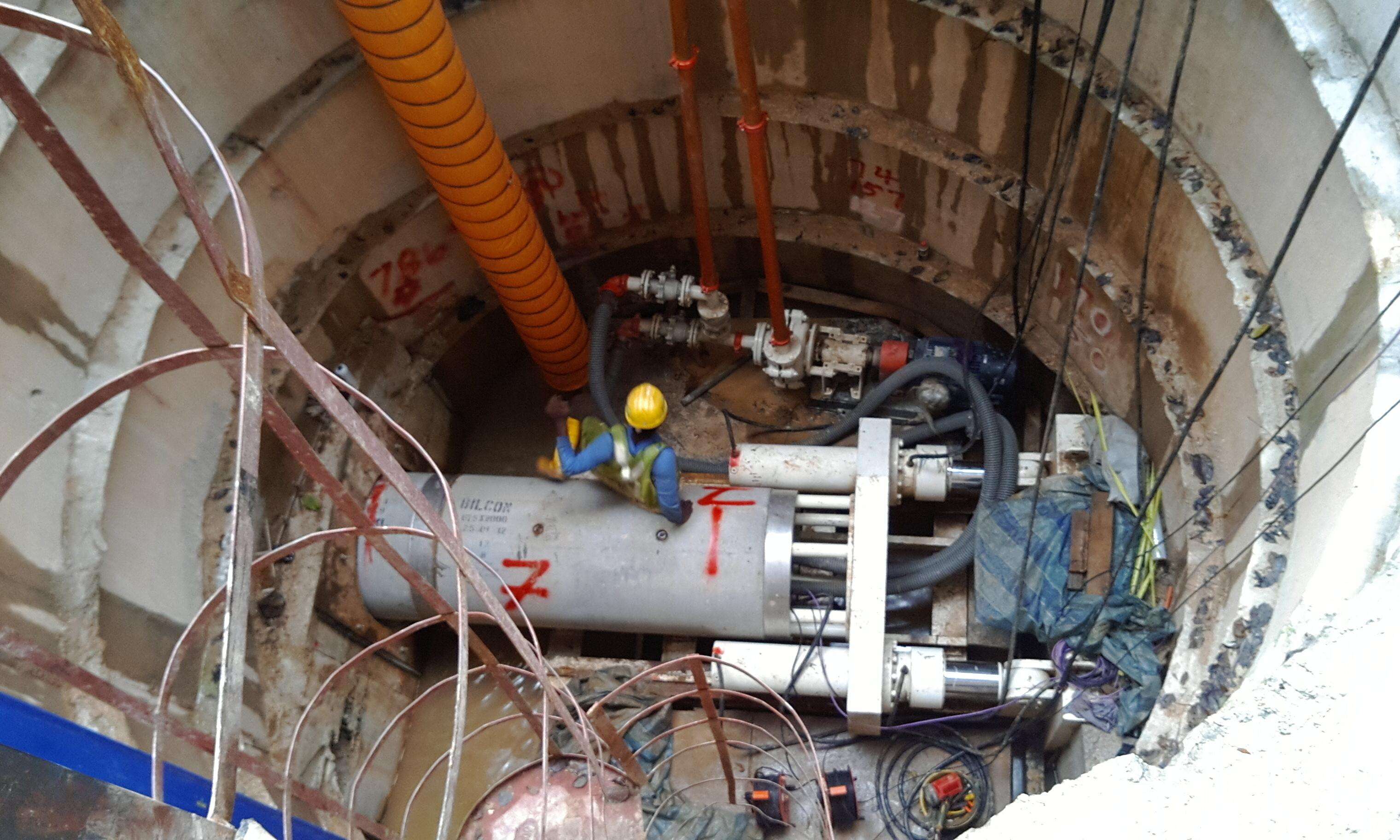
မိုက်ခရို တန်နယ် ဘော်ရင်း မေးရှင်းသည် အလွန်တိကျသော အချိန်နှင့် မျက်နှာပုံပေါ်တွင် အနည်းငယ်သာ ထိခိုက်မှုဖြင့် သေးငယ်သော အချင်းရှိသော တန်နယ်များကို ဖန်တီးရန် အောက်မြေပေါ်တွင် တည်ဆောက်ရေးလုပုပ်ငန်းအတွက် အထူးပြုထားသော စက်ကိရိယာတစ်မျှော်ဖြစ်သည်။ ဤစက်များသည် လုပ်ငန်းခွင်အရွယ်အစားသည် သေးငယ်သော်လည်း စွမ်းအားကောင်းများဖြစ်ပြီး လမ်းများ၊ အဆောက်အဦများနှင့် အခြားအခြေခံအဆောက်အအုံများအောက်တွင် အသုံးအဆောင်လိုင်းများ၊ ရေစီးဆင်းမှုစနစ်များနှင့် ဆက်သွယ်ရေးကြိုးများကို ကြီးမားသော မြေတူးခြင်းများ မလိုအပ်ဘဲ တပ်ဆင်ရန် အထူးကောင်းများသည်။ မိုက်ခရို တန်နယ် ဘော်ရင်း မေးရှင်းသည် လုပ်သောသူများအနေဖြင့် လုံခြုံသော အကွာအဝေးမှ ဘော်ရင်းလုပ်ငန်းကို လမ်းညွှန်ပေးနိုင်ပြီး လုပ်ဆောင်မှုအတွင်း လမ်းကြောင်းနှင့် အမြန်နှုန်းကို အပြည့်အဝ ထိန်းချုပ်နိုင်သည့် အဆင့်မြင့် အဝေးမှ ထိန်းချုပ်သော စနစ်ဖြင့် လုပ်ဆောင်သည်။ ဤစက်သည် တူးဖော်ရေးအတွက် တွန်းဂ်စတင် ကာဘိုနိုက်ဒ် သို့မဟုတ် စိုက်ပုတ်ထားသော ကျောက်ခဲဖြင့် ပြုလုပ်ထားသော လှည့်ပေးသော ကတ်ထ်ခေါင်းကို ပါဝင်ပြီး မြေစေး၊ သဲ၊ ကျောက်စေးနှင့် ပိုမိုနုပ်သော ကျောက်တွင်းများကဲ့သို့သော များစွာသော မြေအမျိုးအစားများကို ဖောက်ထွင်းနိုင်သည်။ လေဆာနည်းပညာနှင့် ဂိုရိုစကော်ပစ် စနစ်များကို ပေါင်းစပ်ထည့်သော အဆင့်မြင့် လမ်းညွှန်မှုစနစ်များသည် တိကျသော လမ်းကြောင်းထိန်းချုပ်မှုကို အောက်မြေပေါ်တွင် အနည်းငယ်သာ လွဲခွင်းမှုဖြင့် စတင်ခြင်းနှင့် အဆုံးသတ်ခြင်း အမှတ်များကို အောက်မြေပေါ်တွင် တိကျစွာ ရရှိစေသည်။ မိုက်ခရို တန်နယ် ဘော်ရင်း မေးရှင်းသည် တိုးတက်သော အလုပ်လုပ်နေသော အောက်မြေပေါ်တွင် တူးဖော်ထုတ်ယူသော မြေကို တစ်ပါတည်း ဖယ်ရှားပေးပြီး အရှေ့သို့ ရှေးရှေးတွင် တူးဖော်ထုတ်ယူသော လမ်းကြောင်းကို ချက်ချင်း ပိုက်များ တပ်ဆင်ရန် အသင်းဖြစ်စေသည့် စနစ်ကို အသုံးပြုသည်။ ခေတ်မှီသော စက်များတွင် ကတ်ထ်ခေါင်း၏ နေရာ၊ တော်က်အဆင်းများ၊ တွန်းအားနှင့် မြေအခြေအနေများကို ဘော်ရင်းလုပ်ငန်းတစ်လုံးလုံးအတွင်း အချိန်နှင့်တွဲဖက်၍ စောင်းကြည့်နိုင်သည့် စွမ်းရည်များကို ပါဝင်စေသည်။ စက်၏ သေးငယ်သော ဒီဇိုင်းသည် မြေတူးခြင်းနည်းလမ်းများကို အသုံးပြုရန် မဖြစ်နိုင်သည့် နေရာများတွင် လုပ်ဆောင်နိုင်စေသည်။ ပတ်ဝန်းကျင်ဆိုင်ရာ အကြောင်းအရာများကြောင့် လေးမှုန်းနှင့် အသံများကို လျော့နည်းစေပြီး မြို့ပြနေရာများနှင့် ပတ်ဝန်းကျင်အတွင်း အထူးသေးငယ်သော နေရာများတွင် အသုံးပြုနိုင်သည့် လျှပ်စစ်နှင့် ဟိုက်ဘရစ် မိုက်ခရို တန်နယ် ဘော်ရင်း မေးရှင်းများကို ဖွံ့ဖြိုးစေခဲ့သည်။ ဤစက်များ၏ ကွယ်လွန်မှုသည် သံ၊ ကွန်ကရစ်၊ PVC နှင့် HDPE ကဲ့သို့သော ပိုက်များ၏ အမျိုးမျိုးသော ပစ္စည်းများကို အသုံးပြုနိုင်ပြီး အများအားဖြင့် 300mm မှ 2500mm အထိ အချင်းများကို လက်ခံနိုင်သည်။ တပ်ဆင်ရေးအဖွဲ့များသည် အများအားဖြင့် ရှေးရှေးတွင် တူးဖော်ပြီး ဖုံးလေးခြင်းနည်းလမ်းများထက် ပိုမိုမြန်ဆန်စွာ လုပ်ငန်းများကို ပြီးမြောက်စေနိုင်ပြီး လုပ်ငန်းကာလများနှင့် သက်ဆိုင်ရာ စရိတ်များကို လျော့နည်းစေပြီး လမ်းကြောင်းပေါ်တွင် ဖြစ်ပေါ်လာသော အတွေ့အကြုံများနှင့် ပိုင်ဆိုင်မှုပျက်စီးမှုများကို အနည်းငယ်သာ ဖြစ်စေသည်။

 EN
EN
 AR
AR BG
BG HR
HR CS
CS FR
FR DE
DE EL
EL HI
HI IT
IT JA
JA KO
KO RO
RO RU
RU ES
ES TL
TL ID
ID LT
LT SK
SK SL
SL UK
UK VI
VI ET
ET TH
TH TR
TR FA
FA AF
AF MS
MS HY
HY AZ
AZ KA
KA BN
BN LO
LO LA
LA MN
MN NE
NE MY
MY KK
KK UZ
UZ KY
KY