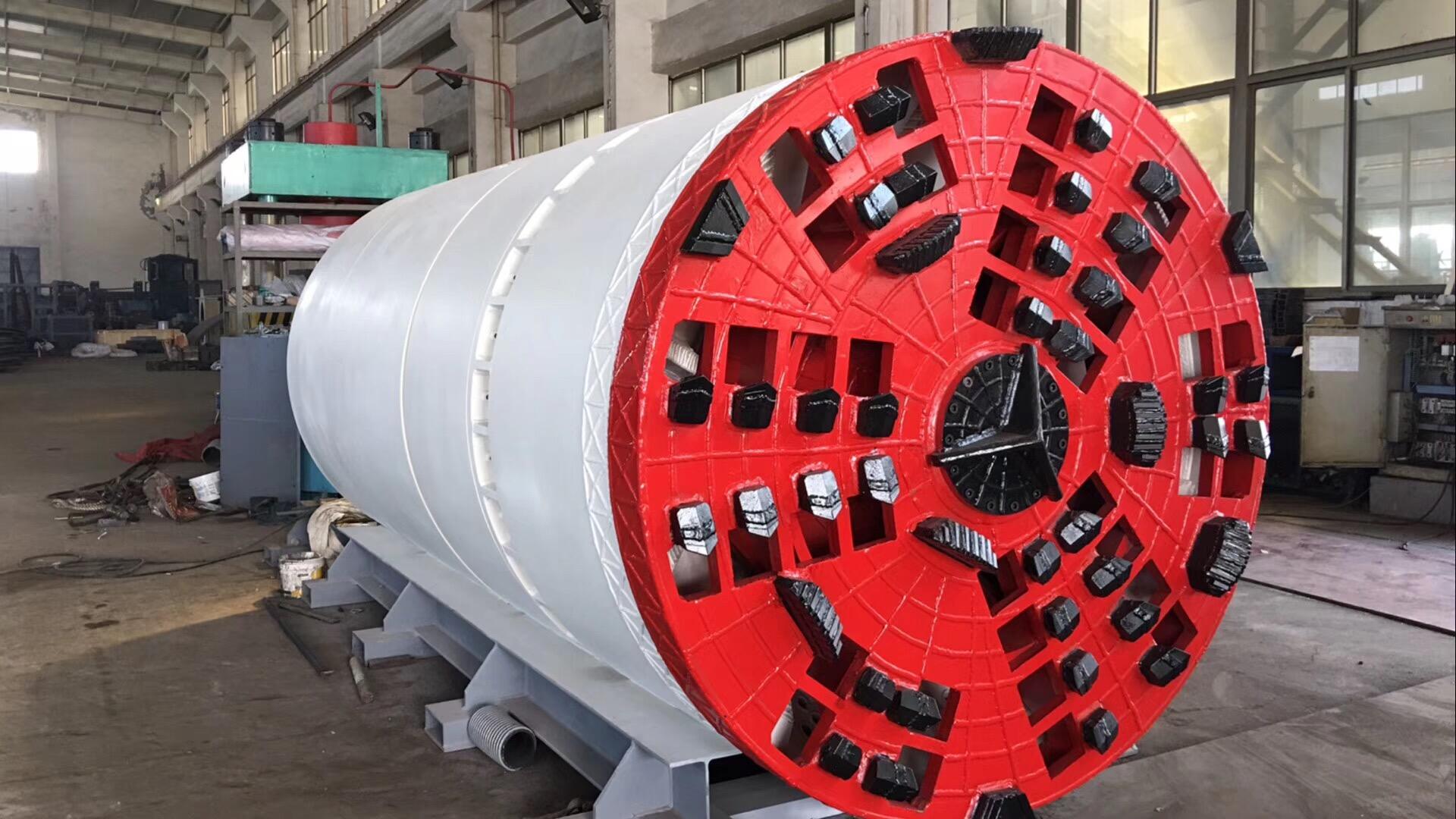
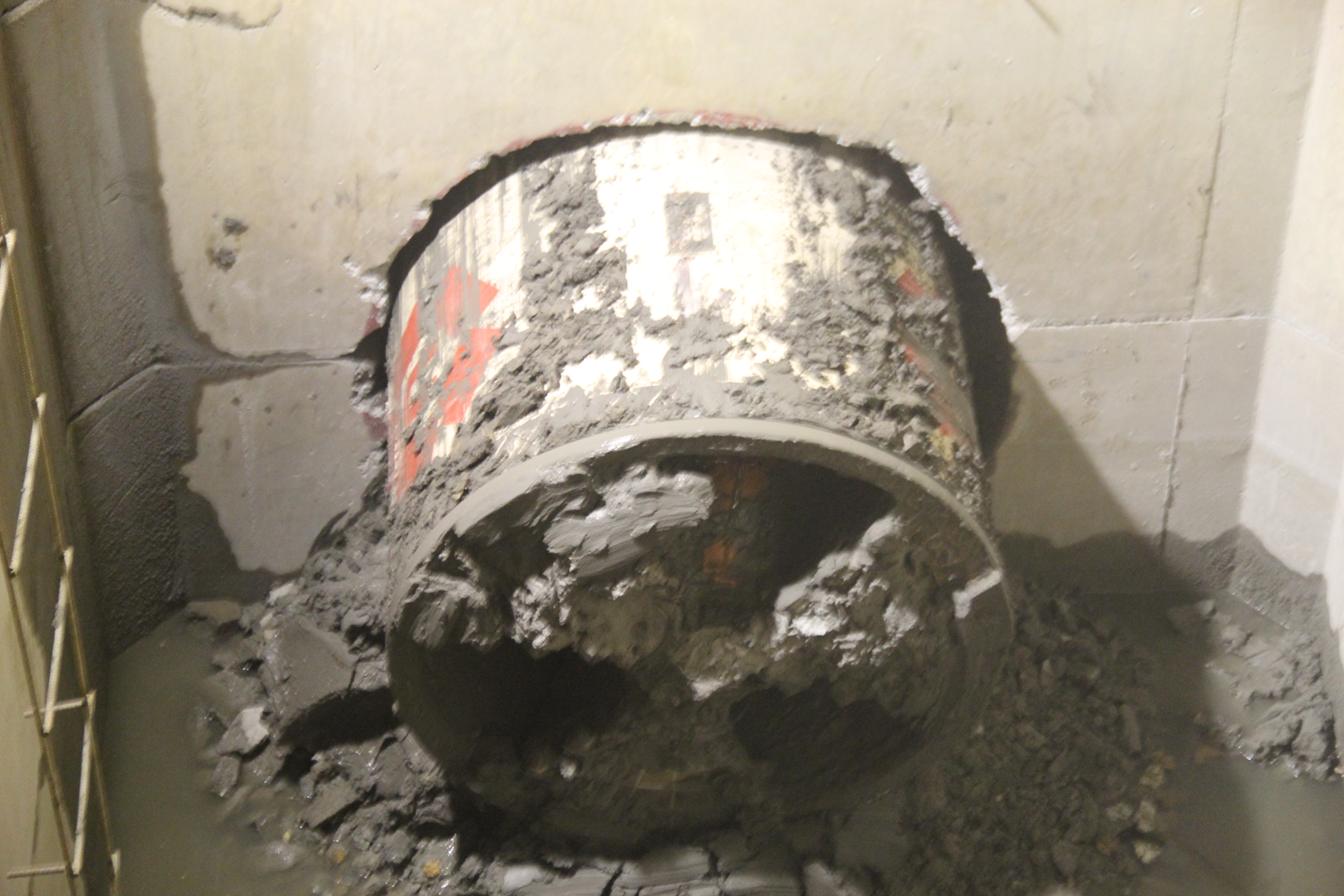
သေးငယ်သော တွန်နယ်လုပ်ဆောင်မှုစက်
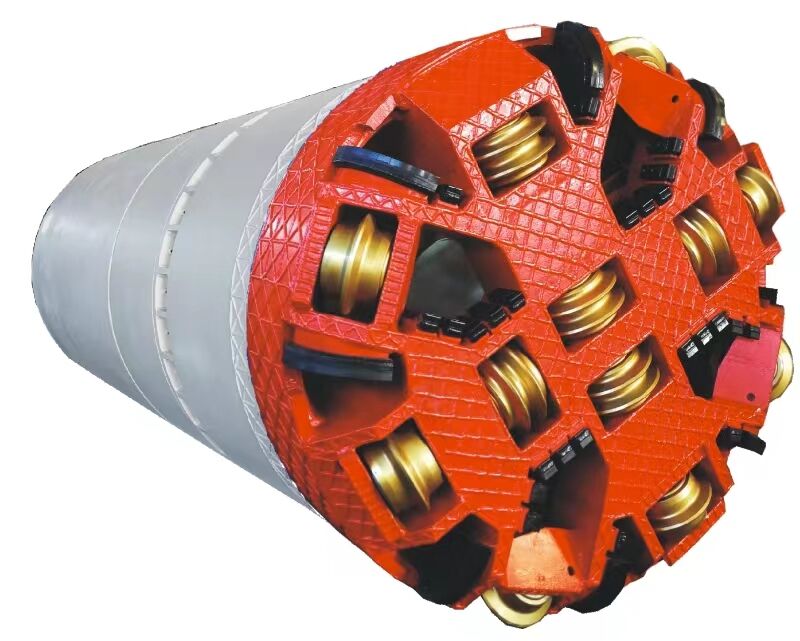
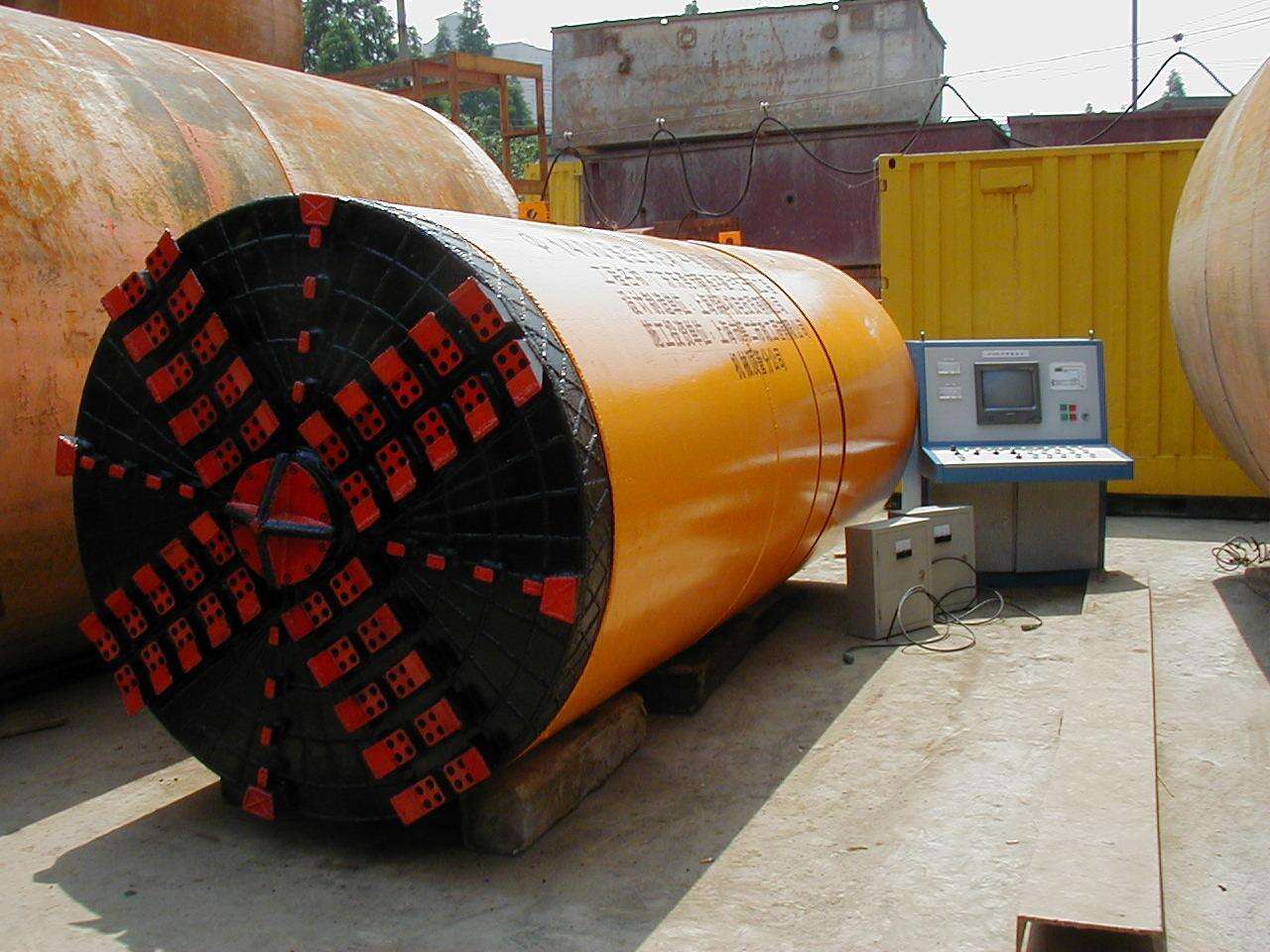
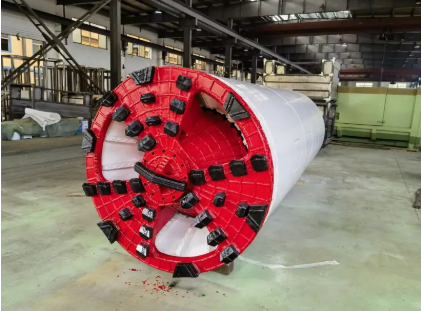
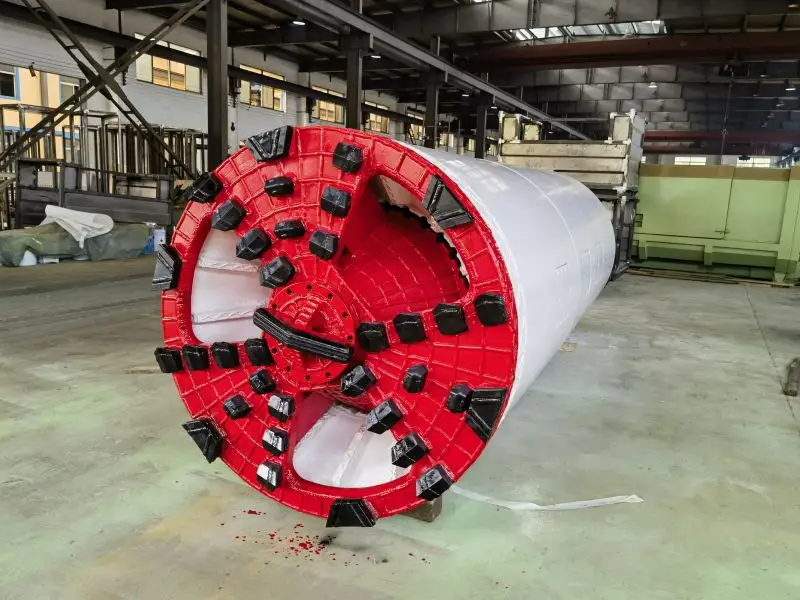
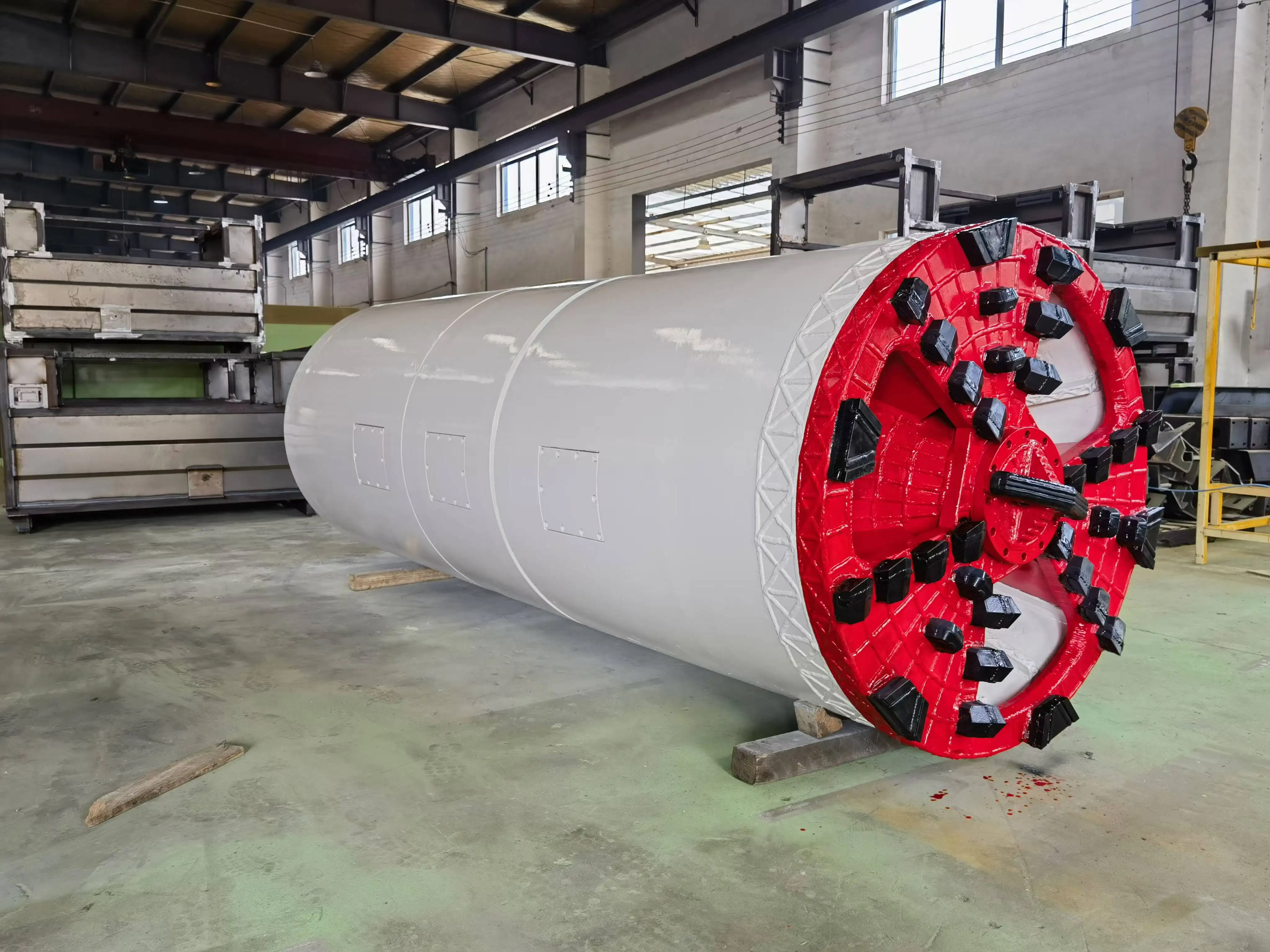
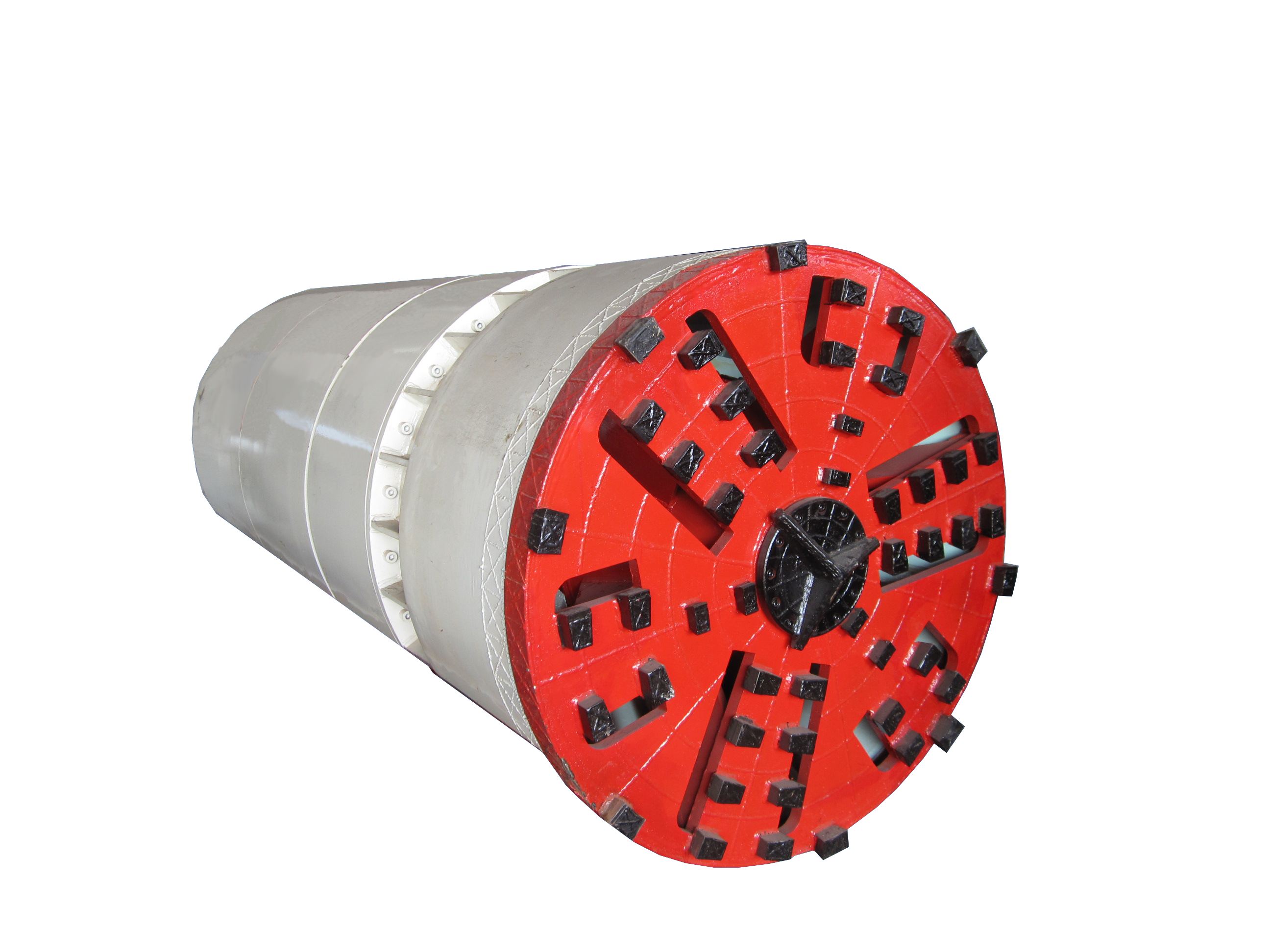
သေးငယ်သော တူးဖော်ရေးစက်လုပ်ငန်းသည် မြေအောက်တွင် တည်ဆောက်ရေးလုပ်ငန်းများတွင် တီထွင်ခဲ့သည့် တိကျသော တူးဖော်မှုလုပ်ငန်းများအတွက် အထူးဒီဇိုင်းထုတ်ထားသည့် နည်းပညာဆိုင်ရာ တီထွင်မှုအသစ်ဖြစ်သည်။ ဤစက်များသည် အလွန်သေးငယ်သော အရွယ်အစားရှိသော်လည်း အင်အားကောင်းမှုရှိပြီး အများအားဖြင့် ၀.၈ မှ ၃ မီတာအထိ အချင်းရှိသည့် မြေအောက်မှုန်းများကို ဖန်တီးရာတွင် ထူးခြားစွာ အသုံးဝင်ပါသည်။ ထို့ကြောင့် မြို့ပြအခြေခံအဆောက်အအိမ်များ တည်ဆောက်ရာတွင် နေရာကုန်ကုန်သော အခြေအနေများနှင့် မြေမျက်နှာပြင်ပေါ်တွင် အနည်းငယ်သာ အကျိုးသက်ရောက်မှုရှိစေရန် အရေးကြီးသည့် အချက်များဖြစ်သည်။ သေးငယ်သော တူးဖော်ရေးစက်များသည် လှည့်ပတ်သည့် ဖြတ်တောက်ရေးခေါင်းများနှင့် မြေပေါ်အခြေအနေများကို စီမံခန့်ခွဲရေးအတွက် ခေတ်မီသည့် စနစ်များကို ပေါင်းစပ်ထားသည့် ရှုပ်ထွေးသည့် ဖြတ်တောက်ရေးစနစ်များဖြင့် လုပ်ဆောင်ပါသည်။ ထို့ကြောင့် တူးဖော်မှုလုပ်ငန်းကို အဆက်မပါး လုပ်ဆောင်နိုင်ပြီး တူးဖော်မှုနှင့်အတူ အထောက်အပံ့ပေးသည့် အဆောက်အအိမ်များကို တစ်ပါတည်း တပ်ဆင်ပေးနိုင်ပါသည်။ ခေတ်မီသော သေးငယ်သော တူးဖော်ရေးစက်များတွင် လေဆာနည်းပညာနှင့် GPS ချိတ်ဆက်မှုကို အသုံးပြုသည့် ခေတ်မီသည့် လမ်းညွှန်မှုစနစ်များကို ထည့်သွင်းထားပါသည်။ ထို့ကြောင့် တူးဖော်မှုလုပ်ငန်းတစ်ခုလုံးတွင် မီလီမီတာအဆင့်အထိ တိကျမှုကို အာမခံပေးနိုင်ပါသည်။ အဓိကလုပ်ဆောင်ချက်များတွင် မြေပေါ်အမြေအနှံများကို တူးဖော်ခြင်း၊ အမြေအနှံများကို ဖယ်ရှားခြင်း၊ မြေအောက်မှုန်းများတွင် အထောက်အပံ့ပေးသည့် အဖ покရှိသည့် အဖုံဖော်မှုများကို တပ်ဆင်ခြင်းနှင့် မြေပေါ်အခြေအနေများကို အချိန်နှင့်တွဲဖက်၍ စောင်းကြည့်ခြင်းတို့ ပါဝင်ပါသည်။ ဤစက်များသည် မြေပေါ်အခြေအနေများနှင့် လုပ်ငန်းလိုအပ်ချက်များအလိုက် ပြောင်းလဲနိုင်သည့် မော်ဂျူလာဒီဇိုင်းများဖြင့် ပုံစံထုတ်ထားပါသည်။ နည်းပညာအခြေခံအဆောက်အအိမ်တွင် ဟိုက်ဒရောလစ်စွမ်းအားစနစ်များ၊ အလိုအလျောက်ထိန်းချုပ်မှုအင်တာဖေးများနှင့် လေထုအရည်အသွေး၊ အပူချိန်နှင့် အဆောက်အအိမ်၏ အင်အားကုန်သက်ရောက်မှုများကို စောင်းကြည့်နိုင်သည့် ပတ်ဝန်းကျင်စောင်းကြည့်မှုစွမ်းရည်များ ပါဝင်ပါသည်။ လမ်းညွှန်မှုတိကျမှုသည် အလွန်အရေးကြီးပါသည်။ ကွန်ပျူတာဖြင့် ထိန်းချုပ်သည့် မောင်းနှင်မှုစနစ်များသည် မြေပေါ်အခြေအနေများ (ဥပမါ- မြေစေး၊ သဲ၊ ကျောက်နှင့် ရောစပ်ထားသည့် မြေပေါ်အခြေအနေများ) အားလုံးတွင် ကြိုတင်သတ်မှတ်ထားသည့် လမ်းကြောင်းများကို ထိန်းသိမ်းပေးနိုင်ပါသည်။ သေးငယ်သော တူးဖော်ရေးစက်များသည် ရှိပ already existing တွင် ရှိသည့် တည်ဆောက်ရေးလုပ်ငန်းစီစဥ်မှုများနှင့် အလွန်ကောင်းစွာ ပေါင်းစပ်နိုင်ပါသည်။ ထို့ကြောင့် အဖွဲ့ဝင်များအတွက် လေ့ကျင်းမှုအနည်းငယ်သာ လိုအပ်ပြီး လုပ်ငန်းအရွယ်အစားများပေါ်တွင် အမျှတ်အသေးများကို အောင်မြင်စွာ ပေးနိုင်ပါသည်။ လုံခြုံရေးအင်္ဂါရပ်များတွင် အရေးပေါ်အော်ဖ်ဖ်စနစ်များ၊ ဓာတ်ငွေစုစုပ်မှုစနစ်များနှင့် အန္တရာယ်များသည့် မြေအောက်ပတ်ဝန်းကျင်များမှ အလုပ်သမားများကို ကာကွယ်ပေးနိုင်သည့် အဝေးမှ လုပ်ဆောင်နိုင်သည့် စွမ်းရည်များ ပါဝင်ပါသည်။ ဤစက်များသည် အသုံးဝင်သည့် လျှပ်စစ်ကြိုးများ၊ ရေသိုလ်များ၊ လမ်းအောက်ဖြတ်မှုများနှင့် ကြိုးများ လေးထောင်မှုများကို တပ်ဆင်ရာတွင် အလွန်အသုံးဝင်ပါသည်။ အကူးအပေါက်များကို တူးဖော်ရာတွင် ရှေးရိုးစွဲသည့် တူးဖော်မှုနည်းလမ်းများကို အသုံးပြုပါက မြေမျက်နှာပြင်ပေါ်တွင် အလွန်အများကြီး အကျိုးသက်ရောက်မှုများ၊ လမ်းပေါ်တွင် ယာဉ်ကြောကြောင်းနှောင်ကွေးမှုများနှင့် လူထုအတွက် အဆင်မပေးမှုများကို ဖြစ်ပေါ်စေနိုင်ပါသည်။

 EN
EN
 AR
AR BG
BG HR
HR CS
CS FR
FR DE
DE EL
EL HI
HI IT
IT JA
JA KO
KO RO
RO RU
RU ES
ES TL
TL ID
ID LT
LT SK
SK SL
SL UK
UK VI
VI ET
ET TH
TH TR
TR FA
FA AF
AF MS
MS HY
HY AZ
AZ KA
KA BN
BN LO
LO LA
LA MN
MN NE
NE MY
MY KK
KK UZ
UZ KY
KY