दूरस्थ संचालन सुरक्षा उत्कृष्टता
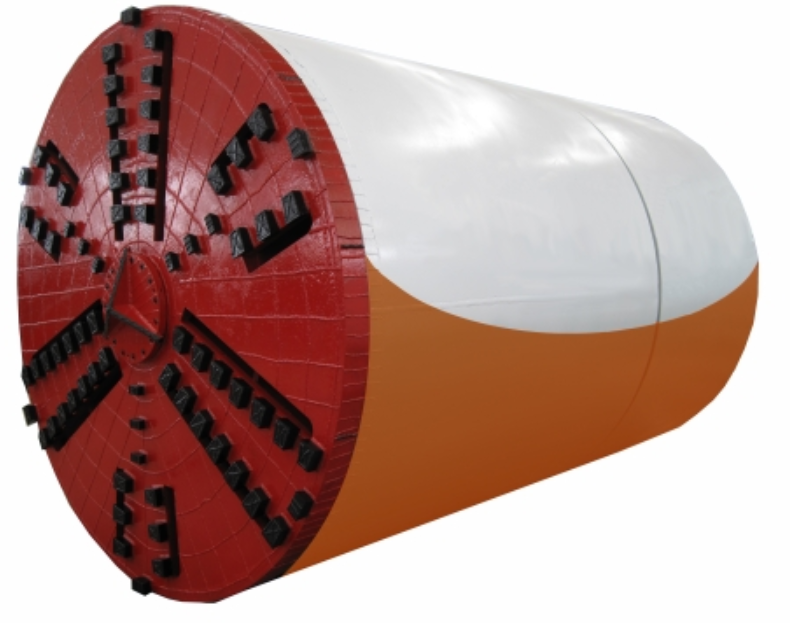
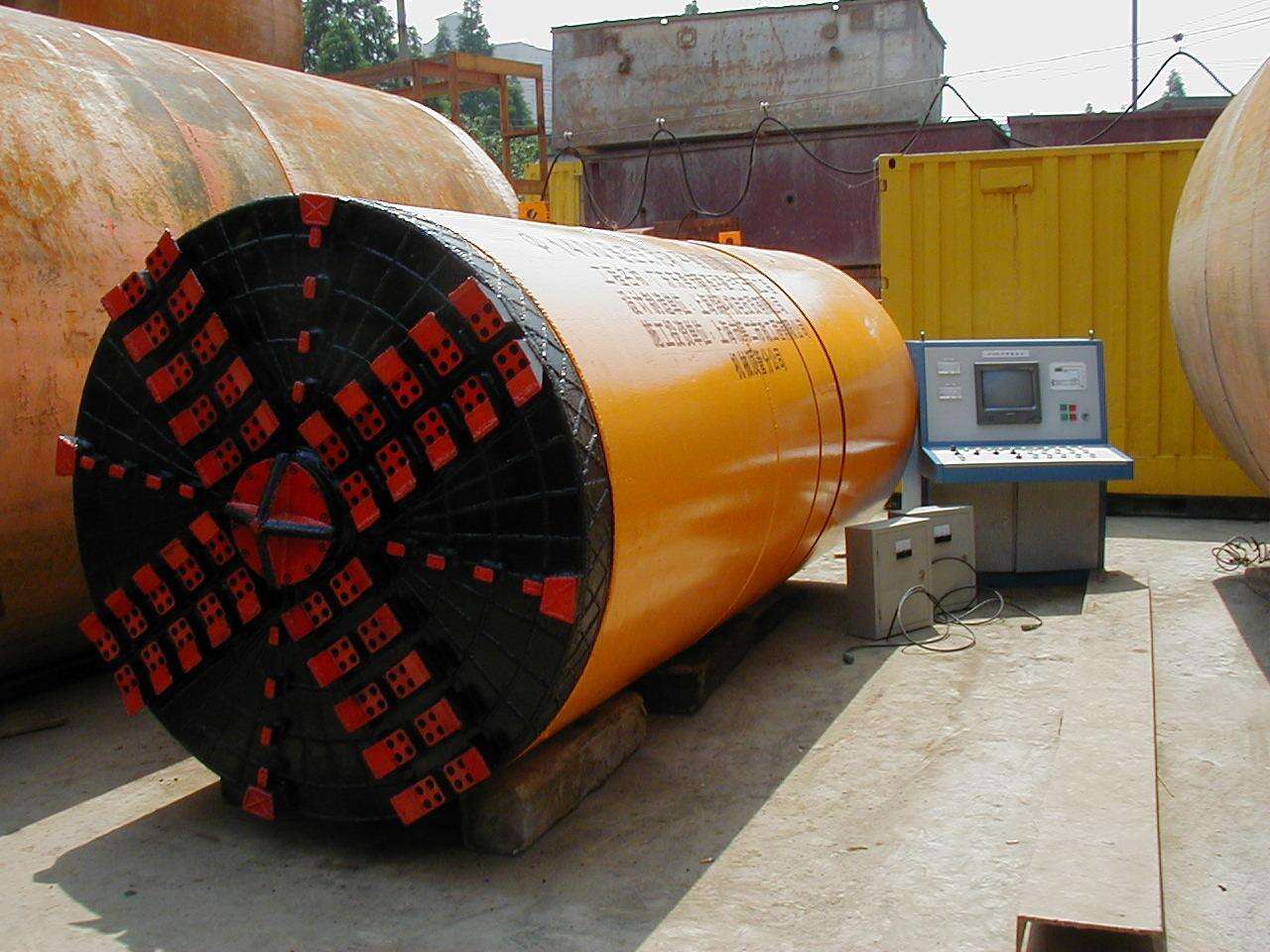
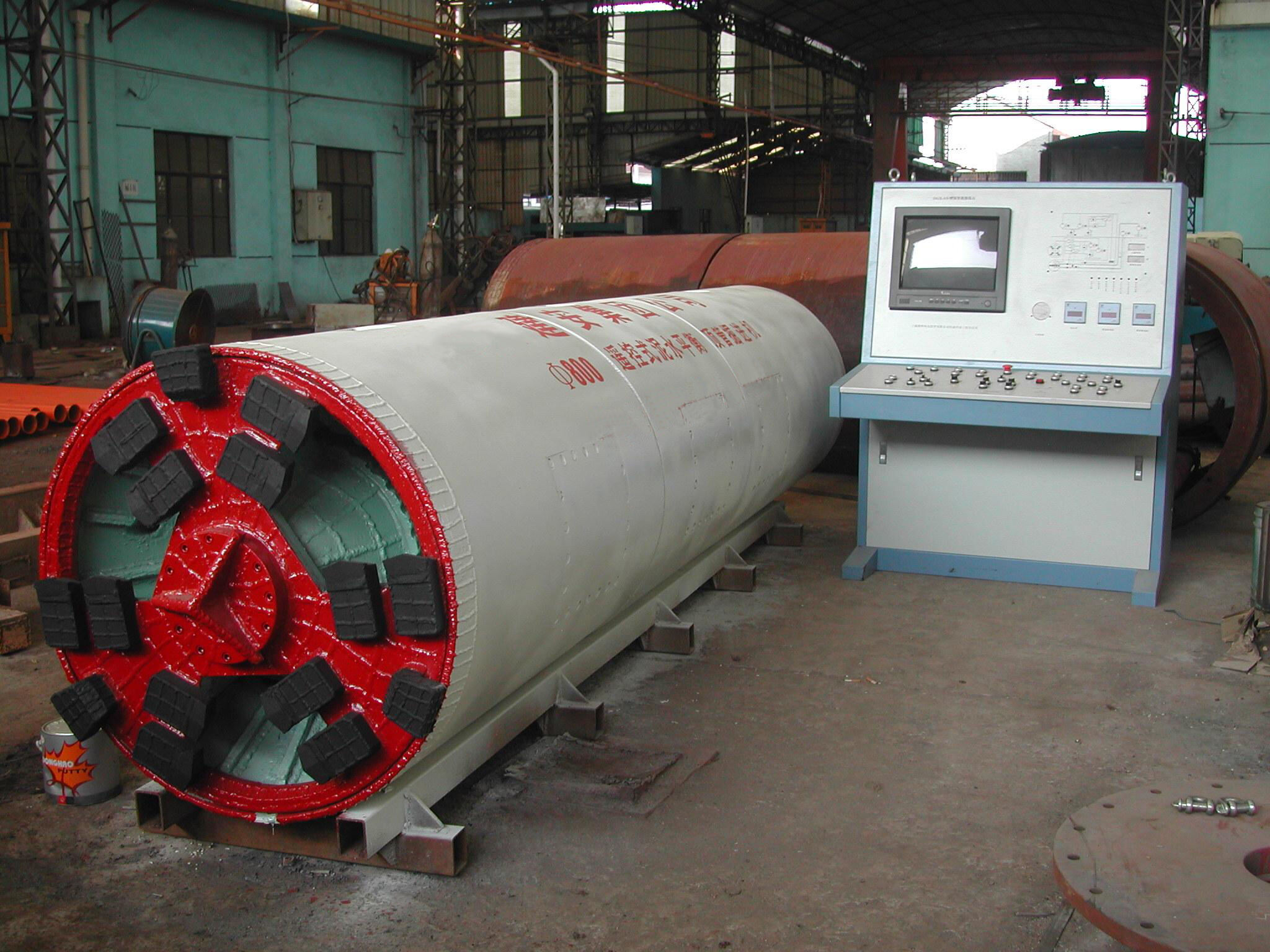
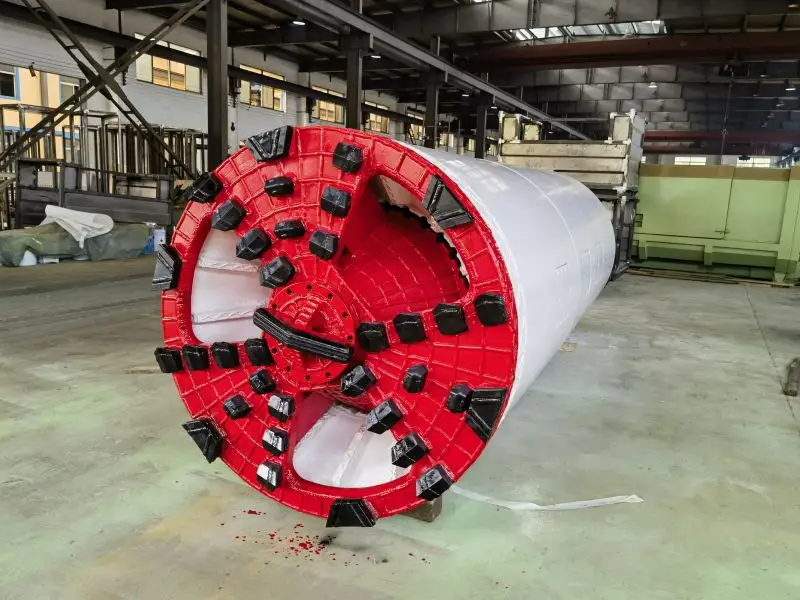
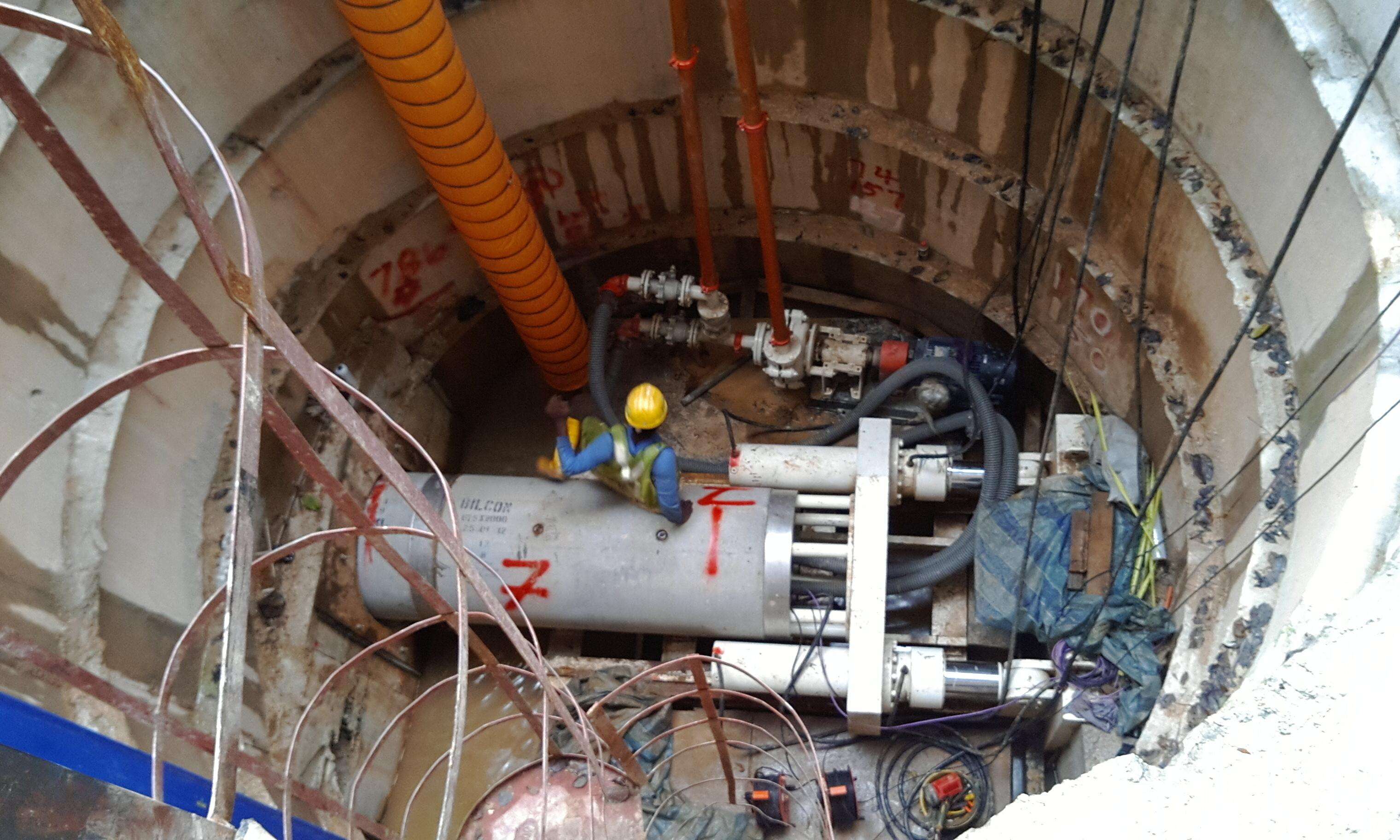
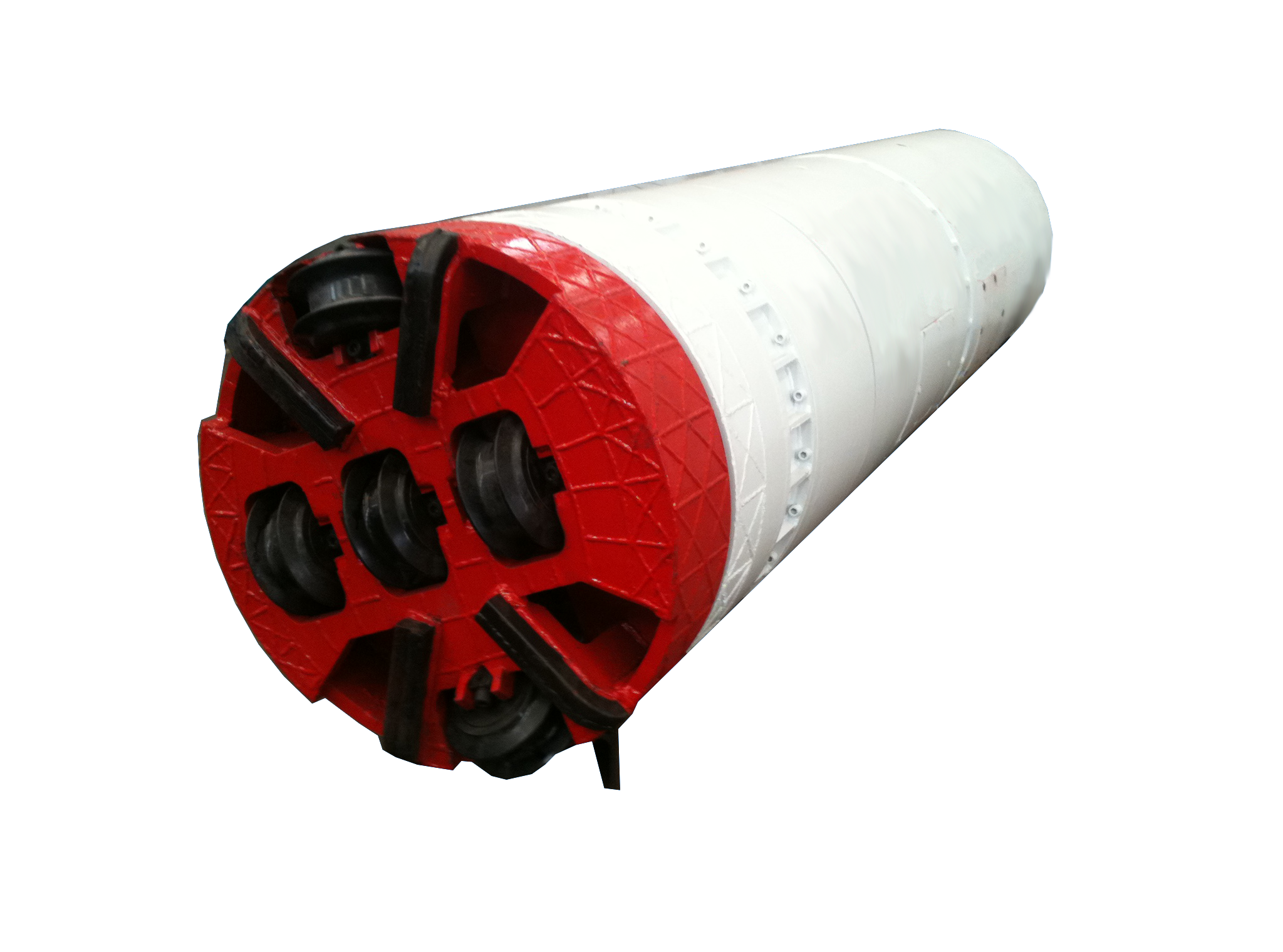
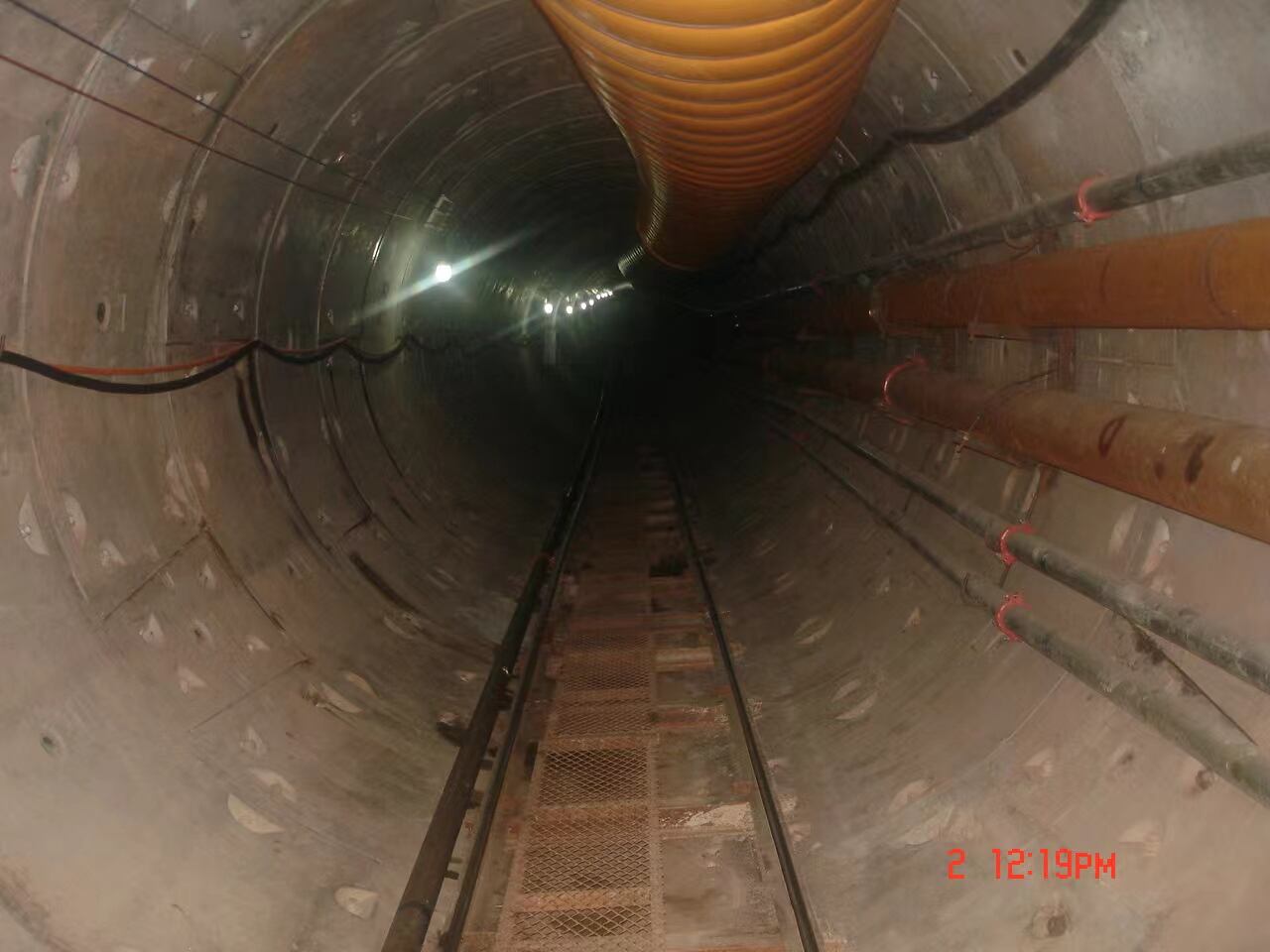
सूक्ष्म-सुरंगीकरण मेशिनले मानिसहरूको भूमिगत जोखिमहरूसँगको सम्पर्क पूर्ण रूपमा हटाएर, तथापि पूर्ण संचालन नियन्त्रण कायम राखेर, व्यापक दूरस्थ संचालन क्षमताका माध्यमबाट नयाँ सुरक्षा मानकहरू स्थापित गर्छ। यो उन्नत सुरक्षा प्रणालीले अपरेटरहरूलाई बहु-निगरानी प्रदर्शन र सहज नियन्त्रण इन्टरफेसहरूसँग सुसज्जित सुरक्षित सतह नियन्त्रण कोठाहरूबाट सम्पूर्ण उत्खनन प्रक्रिया प्रबन्धन गर्न अनुमति दिन्छ। दूरस्थ संचालन प्रविधिले फाइबर ऑप्टिक सञ्चार प्रणालीहरू प्रयोग गर्छ जसले मेशिन र नियन्त्रण केन्द्र बीच तत्काल डाटा संचरण प्रदान गर्छ, जसले परिवर्तनशील अवस्थाहरूमा वास्तविक समयमा प्रतिक्रिया दिन सक्छ र सञ्चार विलम्ब नहुने गराउँछ। मेशिनभित्रका जटिल सेन्सर नेटवर्कहरूले काट्ने बल, हाइड्रोलिक दबाव, वातावरणीय अवस्था र संरचनात्मक अखण्डताको निरन्तर निगरानी गर्छन्, जसले सम्भावित सुरक्षा सम्बन्धी चिन्ताहरूलाई तिनीहरू गम्भीर नबन्नुअघि अपरेटरहरूलाई चेतावनी दिन्छन्। यो प्रणालीले पारम्परिक रूपमा कर्मचारीहरूलाई भूमिगत निर्माण वातावरणमा सामान्य रूपमा पाइने भूस्खलनको जोखिम, विषालु ग्याँसको जम्मा हुने जोखिम र अक्सिजन कमीको जोखिमसँग सम्पर्क गर्ने सीमित स्थान प्रवेशका आवश्यकताहरू नै हटाउँछ। आपातकालीन प्रतिक्रिया क्षमताहरूमा सुरक्षा सेन्सरहरूबाट असामान्य पठनहरूमा स्वचालित मेशिन बन्द गर्ने प्रणालीहरू समावेश छन्, जसले उपकरण र आसपासको अवसंरचनालाई क्षतिबाट बचाउँछ। सूक्ष्म-सुरंगीकरण मेशिनको बन्द संचालनले उत्खननको समयमा सामना गर्न सकिने खतरनाक पदार्थहरूसँगको सम्पर्क रोक्छ, जसमा दूषित माटो, भूजल वा भूमिगत भण्डारण ट्याङ्कको सामग्री समावेश छन्। अतिरिक्त सुरक्षा प्रणालीहरूले प्राथमिक प्रणालीहरू विफल भएमा पनि संचालन निरन्तरता सुनिश्चित गर्छन्, जसमा बैकअप बिजुली आपूर्ति र सञ्चार लिङ्कहरूले सुरक्षा निगरानी क्षमता कायम राख्छन्। दूरस्थ नियन्त्रण प्रविधिले उच्च भूजल दबाव वा अस्थिर माटो जस्ता चुनौतीपूर्ण अवस्थाहरूमा सटीक मेशिन संचालन सक्षम बनाउँछ, जहाँ मानिसहरूको उपस्थिति अत्यन्त खतरनाक हुने गर्छ। अपरेटरहरूले जलवायु नियन्त्रण, उचित प्रकाश र आरामदायी बस्ने व्यवस्थासँग सुसज्जित वाह्य नियन्त्रण कोठाहरूबाट लाभ उठाउँछन्, जसले लामो संचालनको समयमा थकानसँग सम्बन्धित त्रुटिहरू घटाउँछ। प्रणालीले सम्पूर्ण संचालन पैरामिटरहरू र सुरक्षा घटनाहरूको विस्तृत सुरक्षा लगहरू कायम राख्छ, जसले निरन्तर सुधार र विनियामक अनुपालनका लागि मूल्यवान डाटा प्रदान गर्छ। आपातकालीन निकास प्रक्रियाहरू सरलीकृत छन् किनकि सामान्य संचालनको समयमा कुनै कर्मचारी सुरंगभित्र काम गर्दैनन्, जसले उद्धारको जटिलता र प्रतिक्रिया समय घटाउँछ। पम्पारिक विधिहरूको तुलनामा प्रशिक्षण आवश्यकताहरू घटाइएको छ किनकि अपरेटरहरू खतरनाक भूमिगत अवस्थाहरूको सट्टा सुरक्षित सतह वातावरणमा काम गर्छन्। यो सुरक्षा उत्कृष्टताले बीमा लागत घटाउँछ, दायित्वको जोखिम घटाउँछ र कर्मचारी सन्तुष्टि सुधार्छ, जबकि सफल परियोजना सम्पन्नताका लागि उच्चतम उत्पादकता मानकहरू कायम राखिन्छन्।

 EN
EN
 AR
AR BG
BG HR
HR CS
CS FR
FR DE
DE EL
EL HI
HI IT
IT JA
JA KO
KO RO
RO RU
RU ES
ES TL
TL ID
ID LT
LT SK
SK SL
SL UK
UK VI
VI ET
ET TH
TH TR
TR FA
FA AF
AF MS
MS HY
HY AZ
AZ KA
KA BN
BN LO
LO LA
LA MN
MN NE
NE MY
MY KK
KK UZ
UZ KY
KY