Minimal Surface Disruption Operations
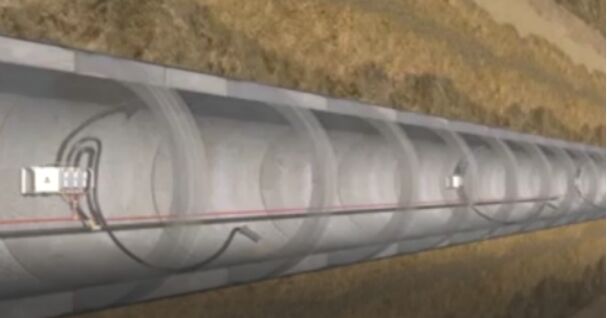
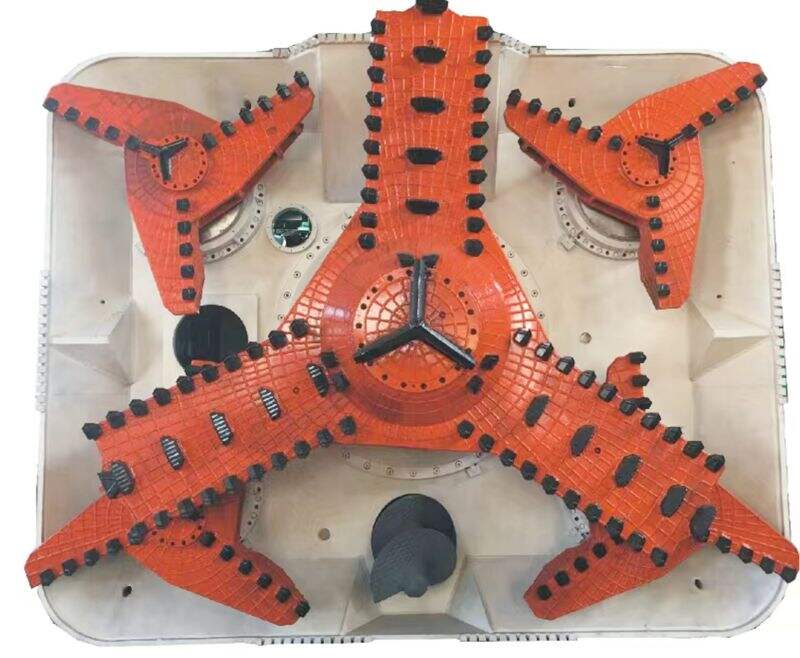
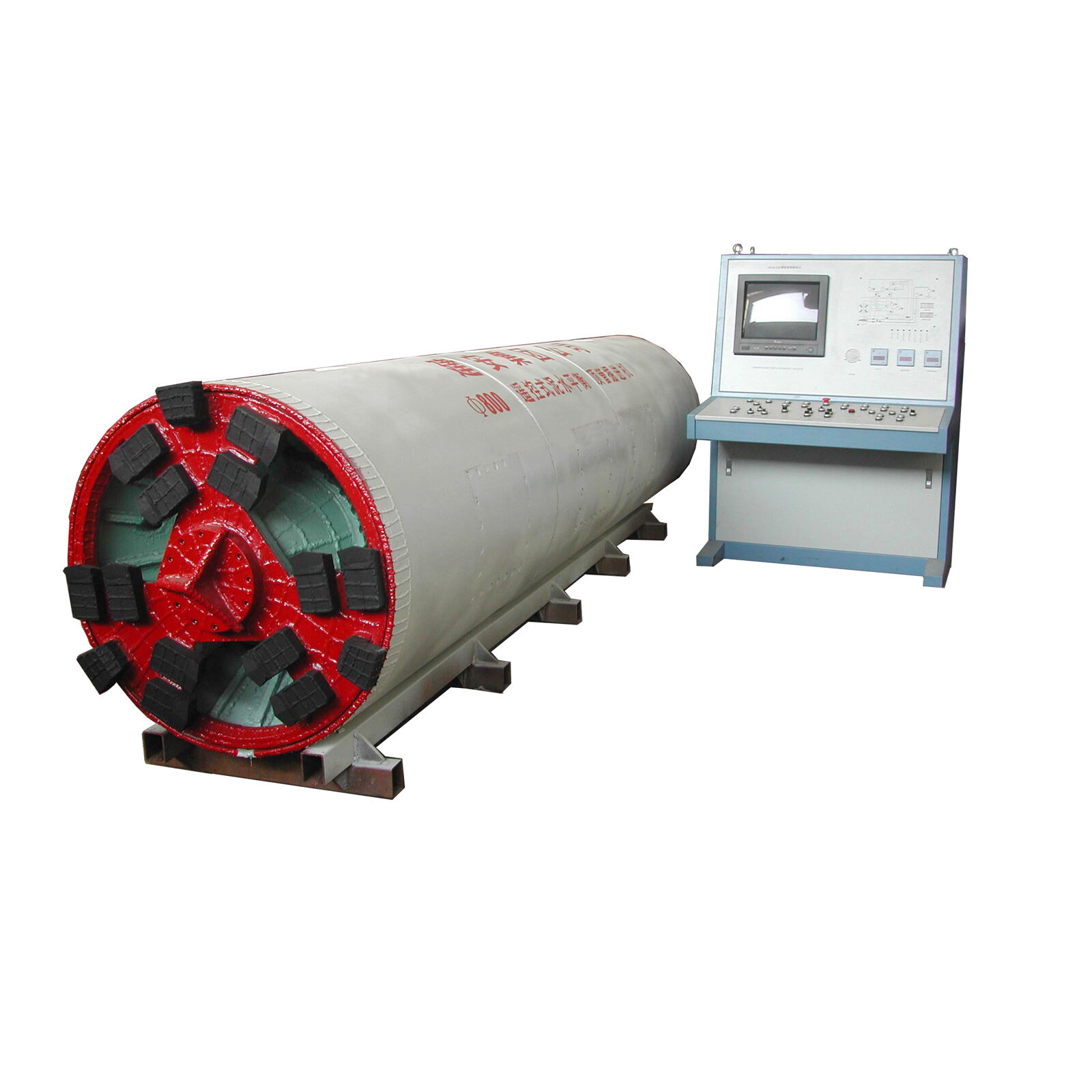
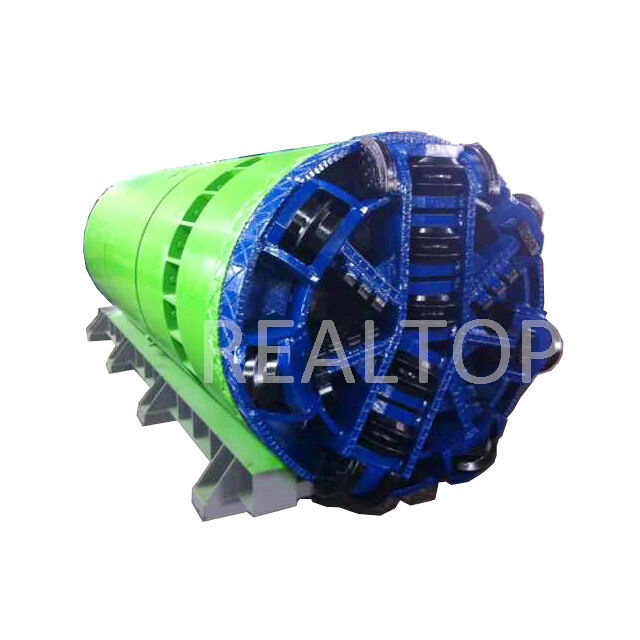
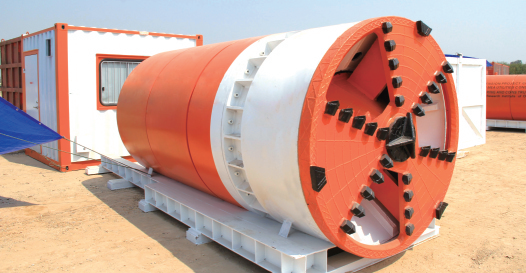
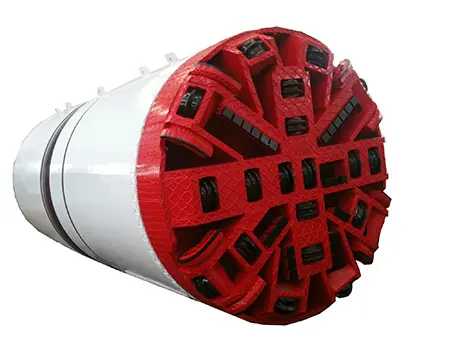
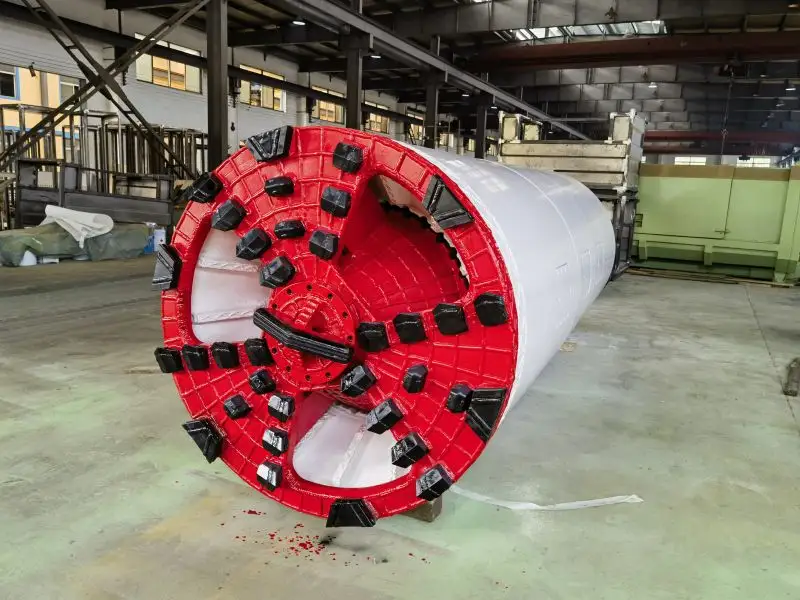
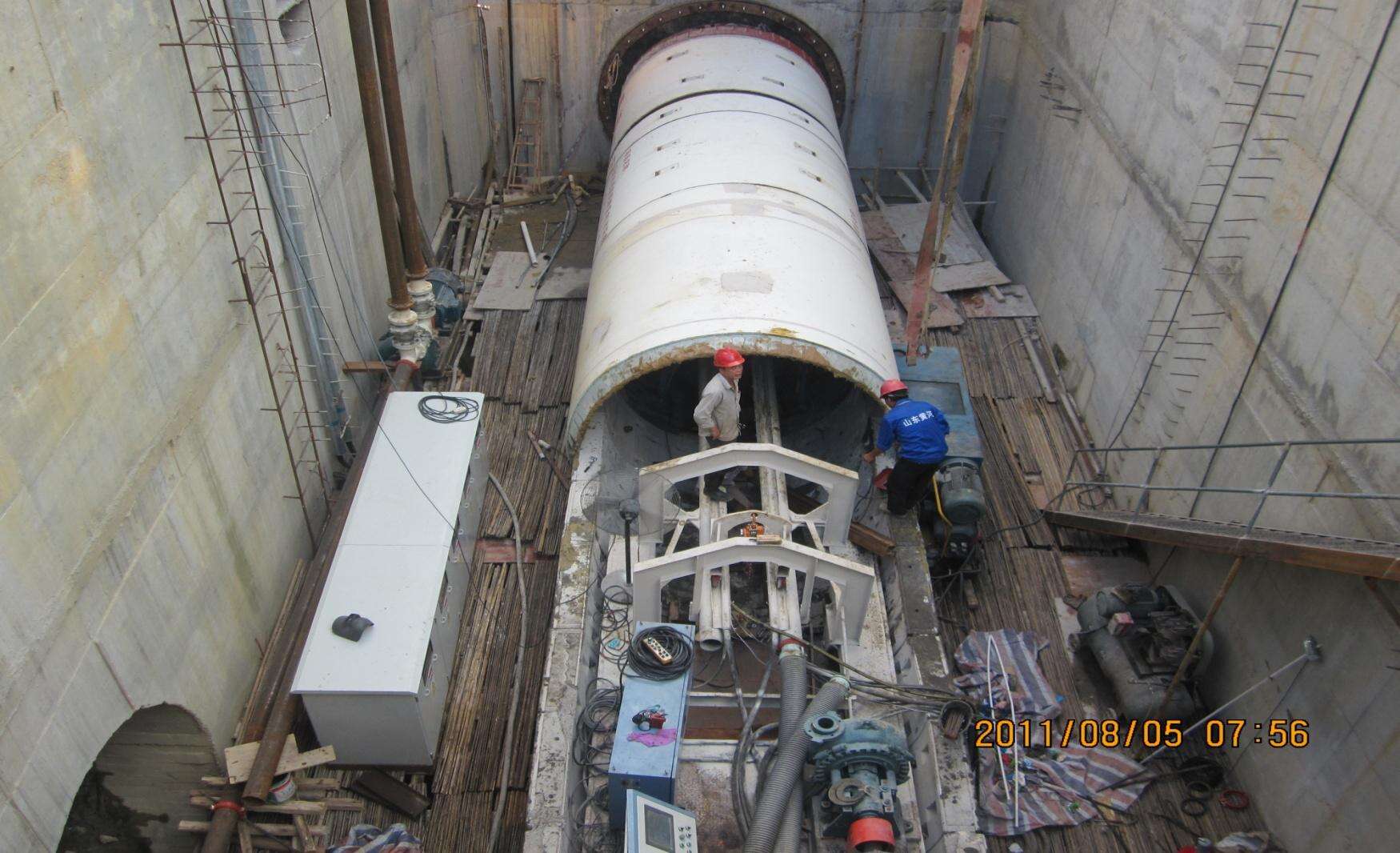
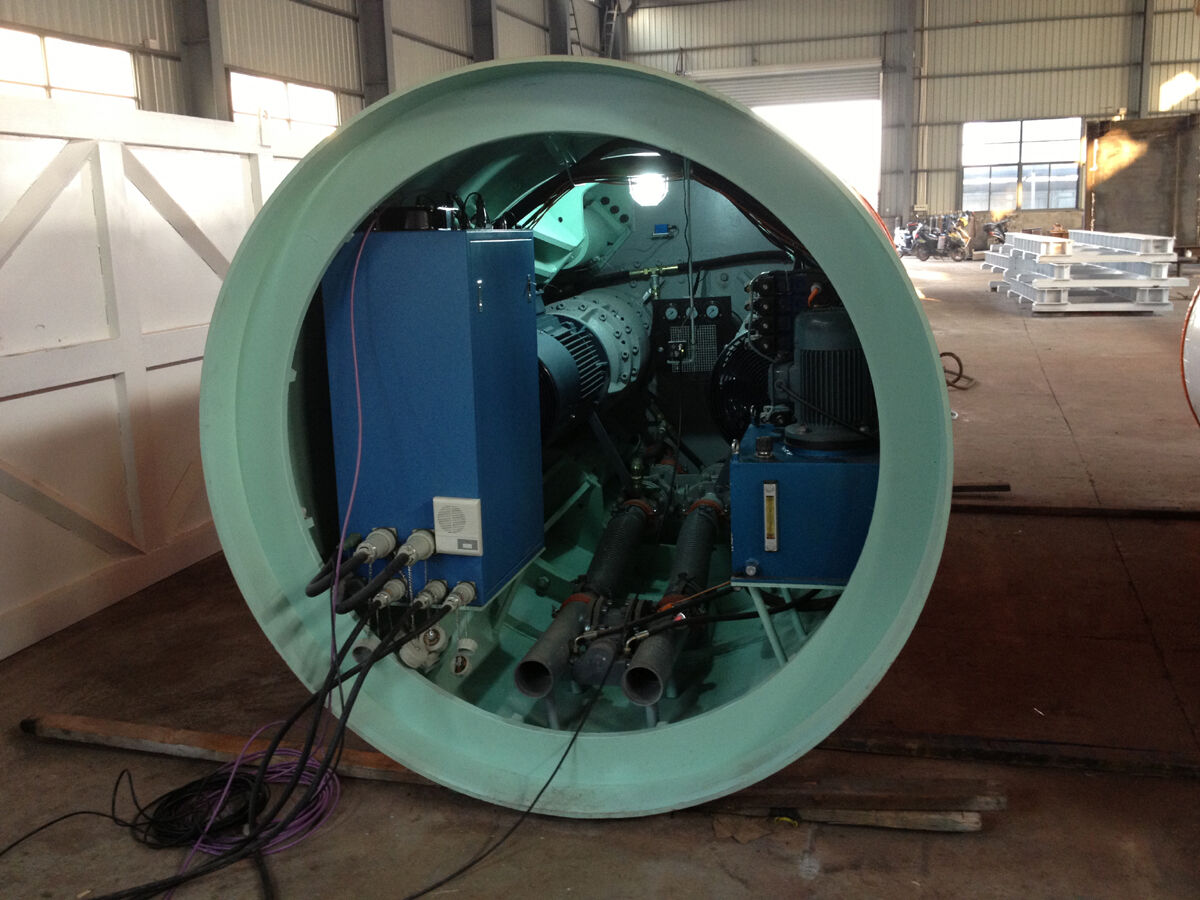
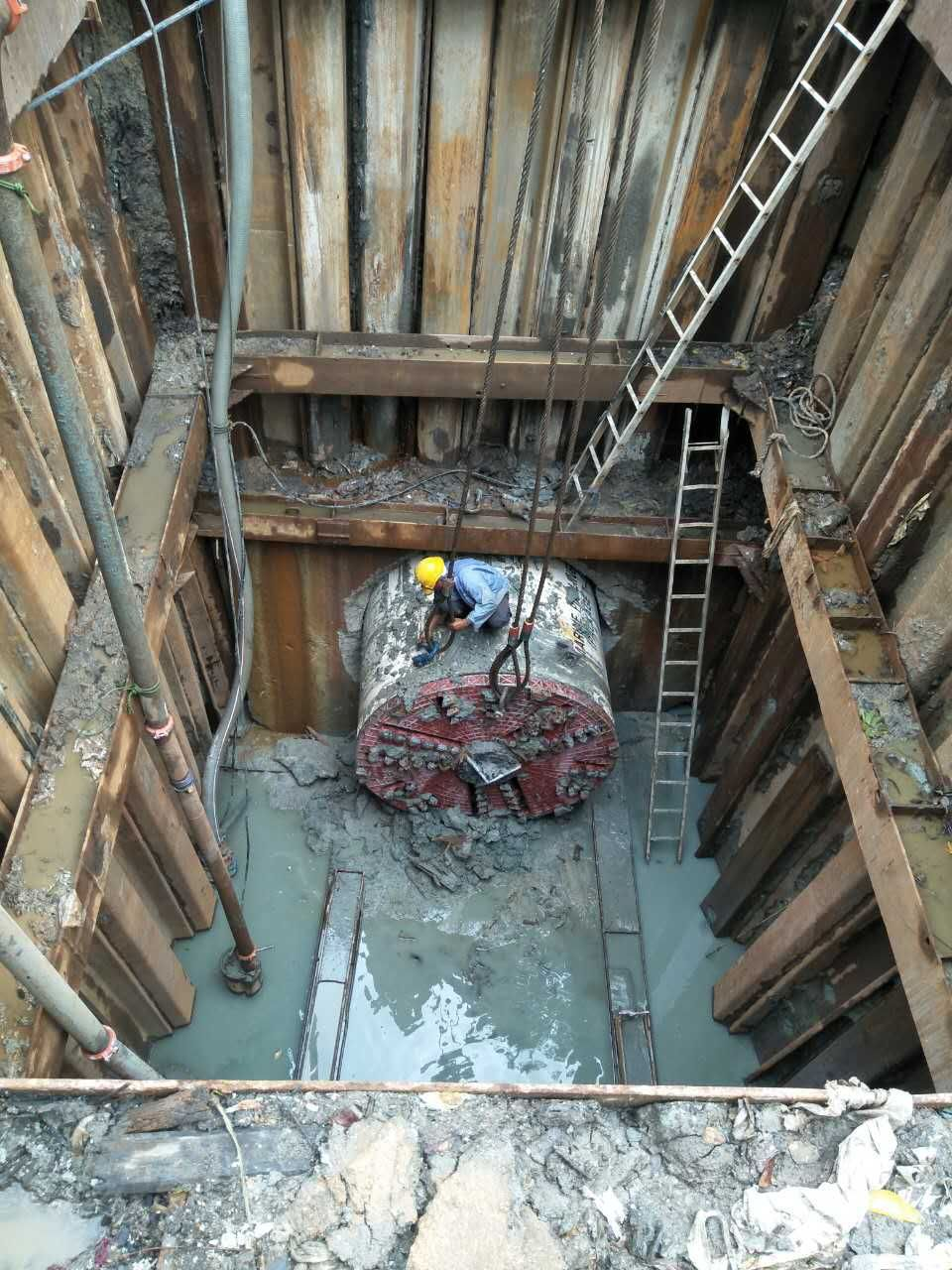
The mini tbm machine excels in providing minimal surface disruption operations that preserve existing infrastructure, landscaping, and daily activities above the tunnel route. This trenchless technology represents a paradigm shift from traditional open-cut methods, allowing contractors to complete underground projects without disturbing surface conditions. The machine operates entirely underground, accessing the work area through small entry and exit pits that require minimal surface footprint compared to full excavation trenches. This approach proves invaluable in urban environments, residential neighborhoods, and commercial districts where surface disruption must be minimized to maintain business continuity and community acceptance. The mini tbm machine eliminates the need for extensive traffic management, road closures, and pedestrian detours that typically accompany surface excavation projects. Property owners benefit significantly from this non-disruptive approach, as landscaping, driveways, sidewalks, and parking areas remain intact throughout the construction process. The machine's ability to tunnel beneath existing structures without compromising their stability makes it ideal for retrofitting utilities in developed areas where surface access is limited or prohibited. Environmental advantages of minimal surface disruption include preservation of mature trees, protected vegetation, and sensitive ecological areas that would otherwise require removal or damage during traditional construction methods. The mini tbm machine reduces dust, noise, and air pollution associated with open excavation, creating a more acceptable construction environment for nearby residents and businesses. Project timelines benefit from the reduced disruption approach, as contractors avoid delays related to utility relocations, traffic coordination, and restoration work. The machine's precision boring capabilities ensure minimal ground movement above the tunnel, protecting foundations, buried utilities, and surface structures from settlement or damage. Insurance and bonding costs often decrease for projects using the mini tbm machine due to reduced risk of property damage and third-party claims. The technology proves especially valuable for projects in historic districts, near hospitals, schools, or other sensitive locations where construction activities must be carefully managed to avoid operational disruptions.

 EN
EN
 AR
AR BG
BG HR
HR CS
CS FR
FR DE
DE EL
EL HI
HI IT
IT JA
JA KO
KO RO
RO RU
RU ES
ES TL
TL ID
ID LT
LT SK
SK SL
SL UK
UK VI
VI ET
ET TH
TH TR
TR FA
FA AF
AF MS
MS HY
HY AZ
AZ KA
KA BN
BN LO
LO LA
LA MN
MN NE
NE MY
MY KK
KK UZ
UZ KY
KY