pipe jacking technology
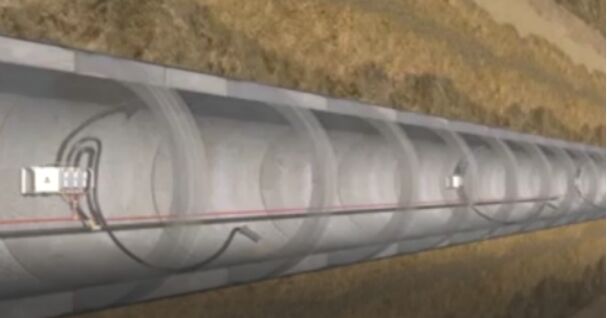
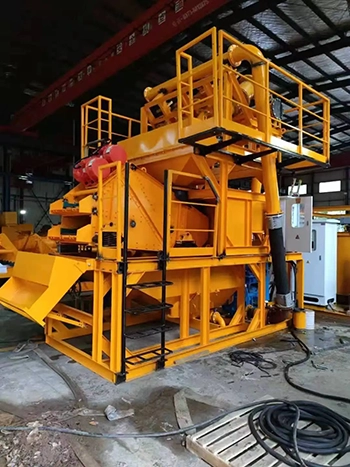
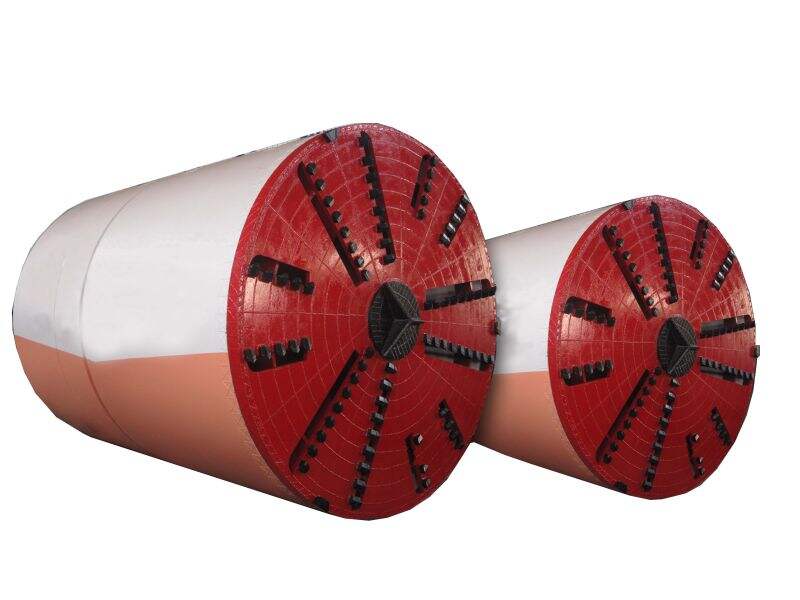
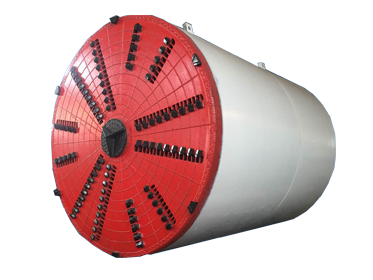
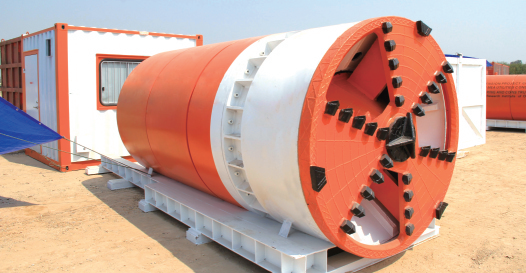
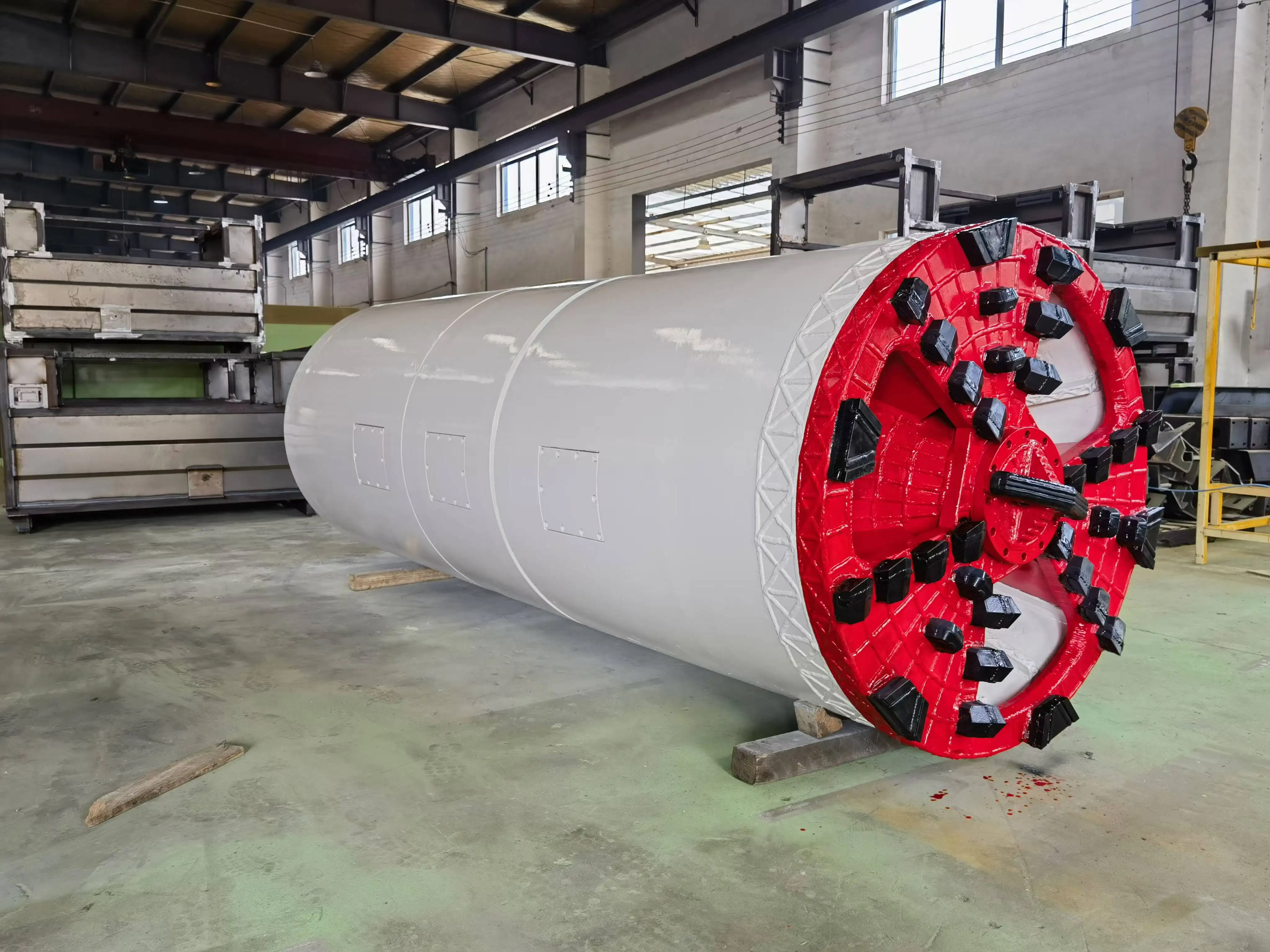
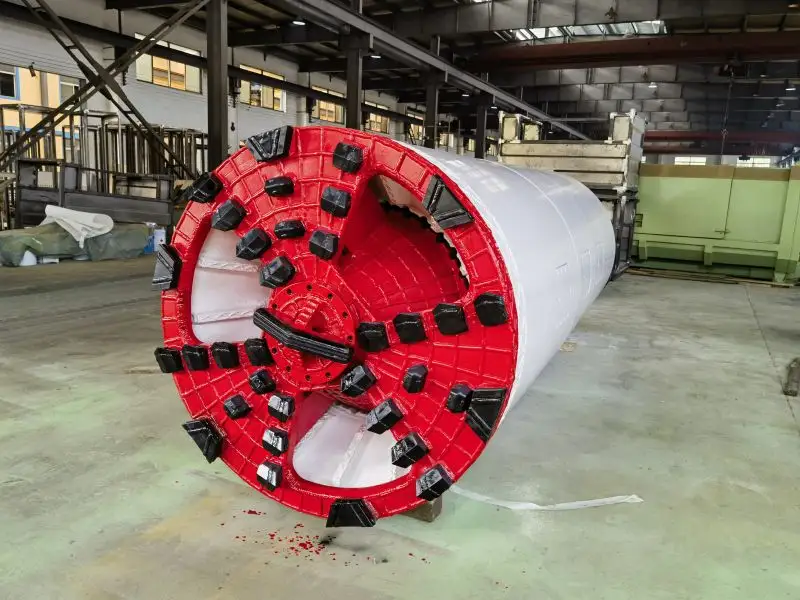
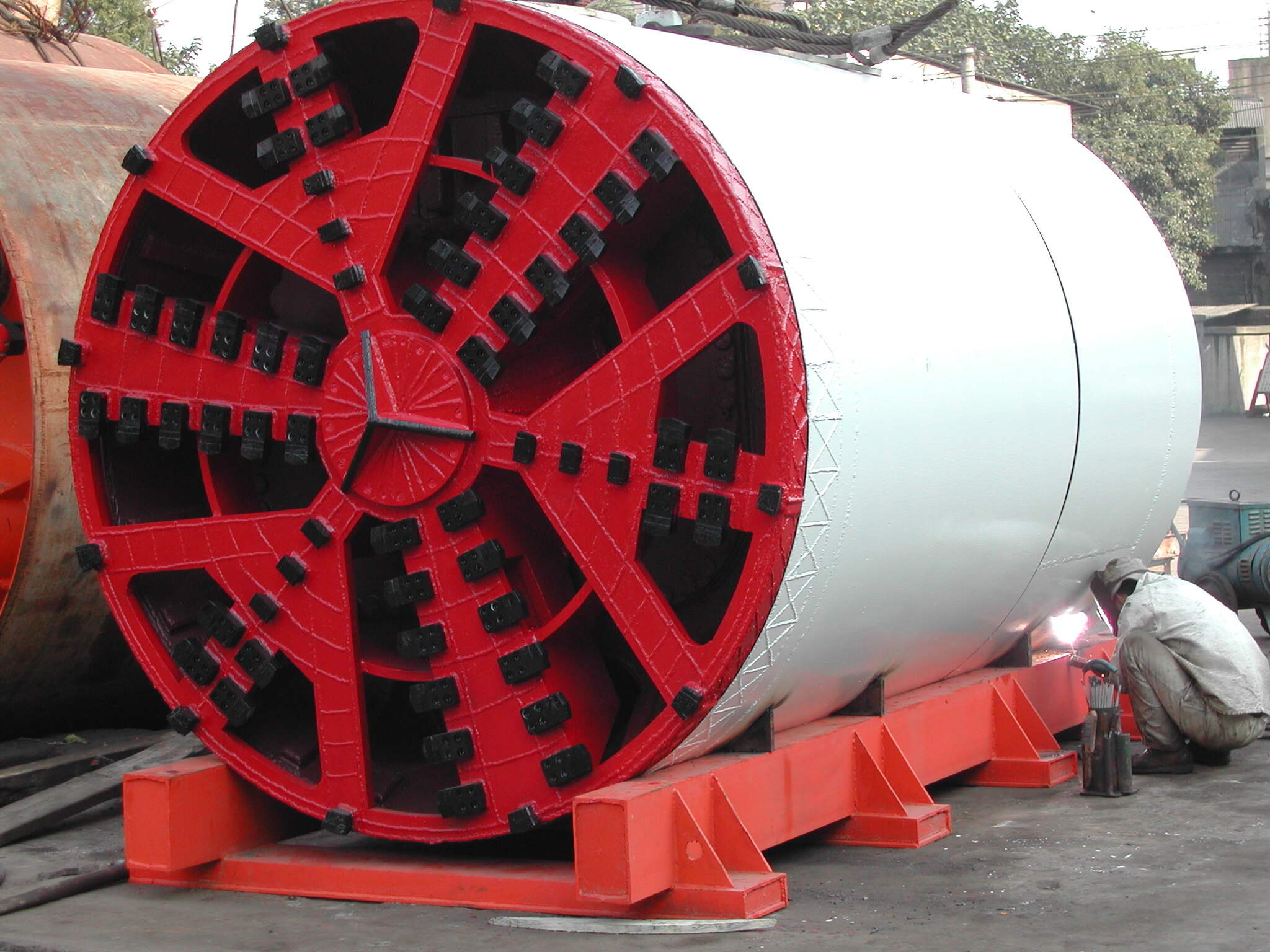
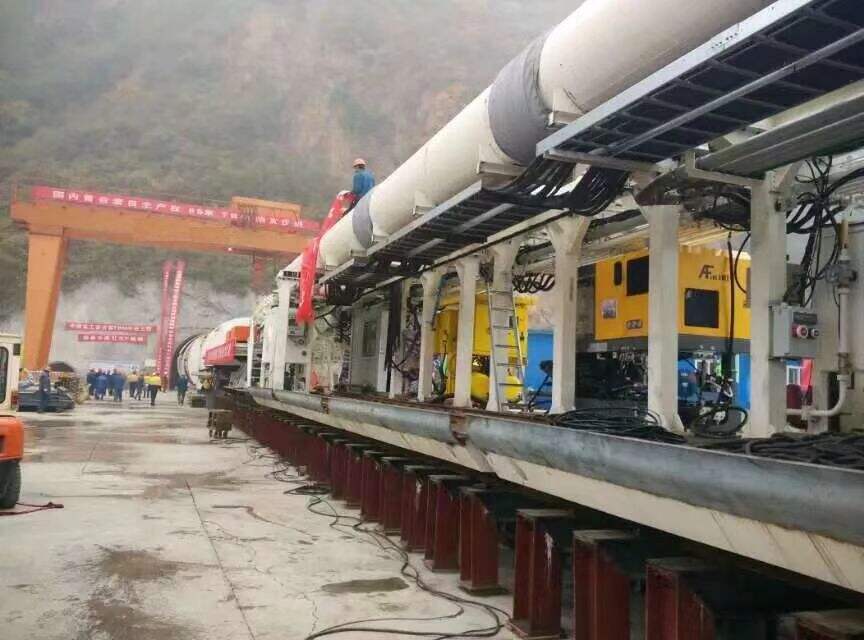
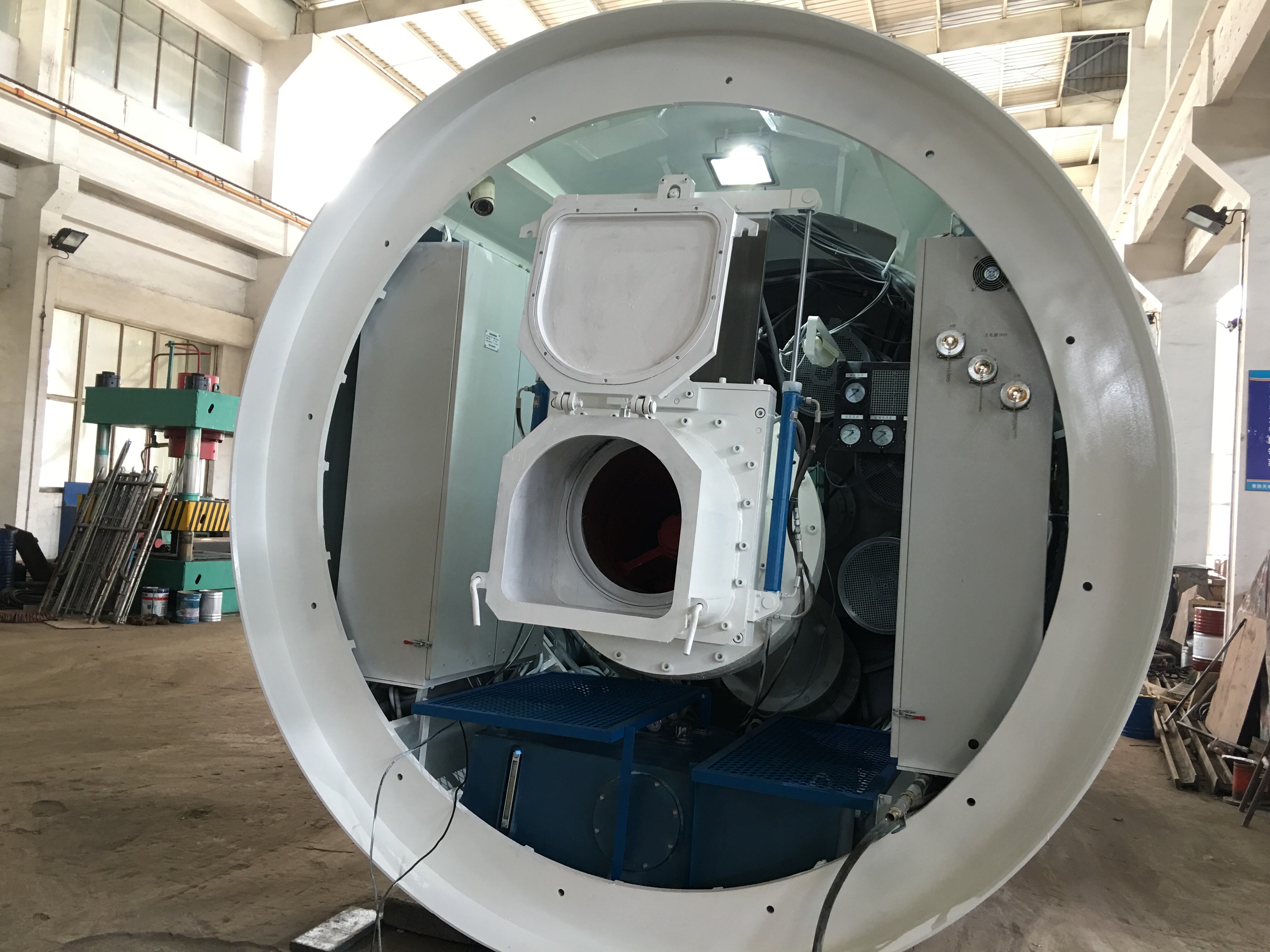
Pipe jacking technology represents a cutting-edge trenchless construction method that enables the installation of underground pipelines without extensive surface excavation. This innovative approach utilizes hydraulic jacks to push specially designed pipes through the ground along predetermined routes, creating tunnels for utilities such as water supply lines, sewerage systems, gas pipelines, and telecommunications cables. The pipe jacking technology operates by establishing launch and reception shafts at strategic points, from which powerful hydraulic equipment drives prefabricated pipe sections through various soil conditions. The system employs sophisticated guidance mechanisms to ensure accurate alignment and grade control throughout the installation process. Advanced laser guidance systems and real-time monitoring equipment maintain precise directional control, while specialized cutting heads at the front of the pipe string excavate the path forward. The excavated material gets removed through the pipe interior using auger systems or slurry transportation methods. This pipe jacking technology accommodates various pipe materials including concrete, steel, and composite materials, with diameters ranging from small utility conduits to large-scale infrastructure installations. The method proves particularly effective in urban environments where surface disruption must be minimized, and in challenging geological conditions including clay, sand, gravel, and even soft rock formations. Modern pipe jacking technology incorporates computer-controlled systems that monitor thrust forces, alignment parameters, and progress rates in real-time. These technological features enable contractors to adjust operations dynamically, ensuring optimal performance and reducing the risk of deviations or complications. The versatility of pipe jacking technology extends to various applications including road crossings, railway underpasses, river crossings, and installations beneath existing structures where traditional open-cut methods would prove impractical or economically unfeasible.

 EN
EN
 AR
AR BG
BG HR
HR CS
CS FR
FR DE
DE EL
EL HI
HI IT
IT JA
JA KO
KO RO
RO RU
RU ES
ES TL
TL ID
ID LT
LT SK
SK SL
SL UK
UK VI
VI ET
ET TH
TH TR
TR FA
FA AF
AF MS
MS HY
HY AZ
AZ KA
KA BN
BN LO
LO LA
LA MN
MN NE
NE MY
MY KK
KK UZ
UZ KY
KY