Small Diameter Microtunnel Solutions: Precision Underground Installation Technology

Contact me immediately if you encounter problems!

All Categories

Get a Free Quote

Our representative will contact you soon.
Email
Name
Company Name
Message
0/1000

small diameter microtunnel

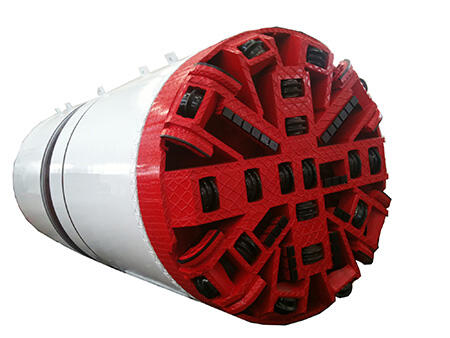
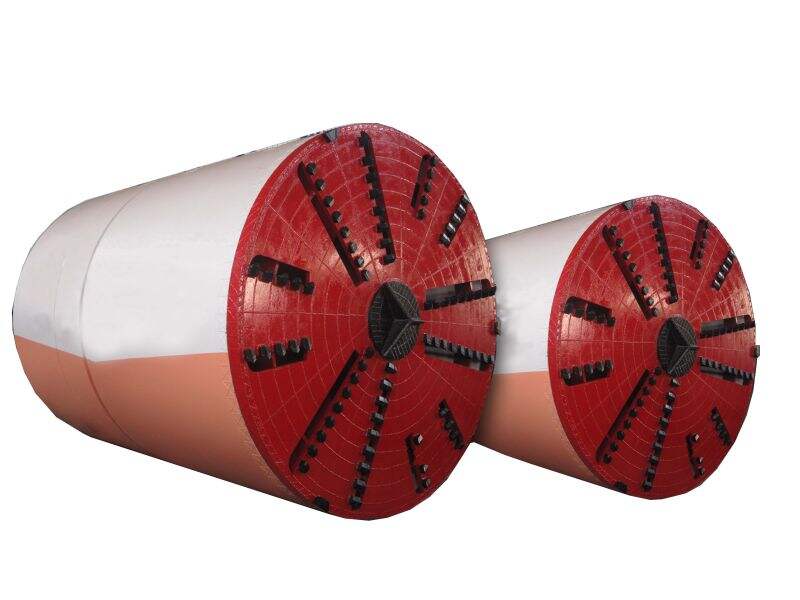
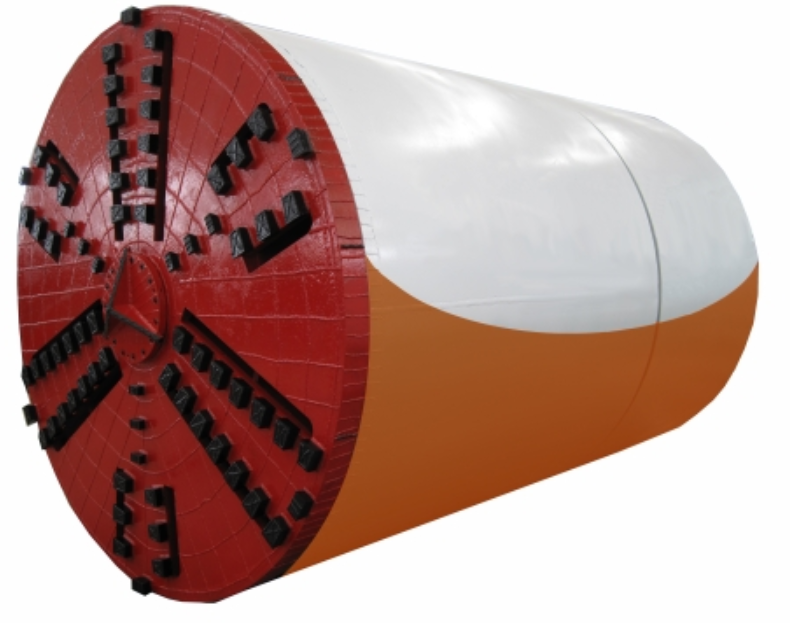
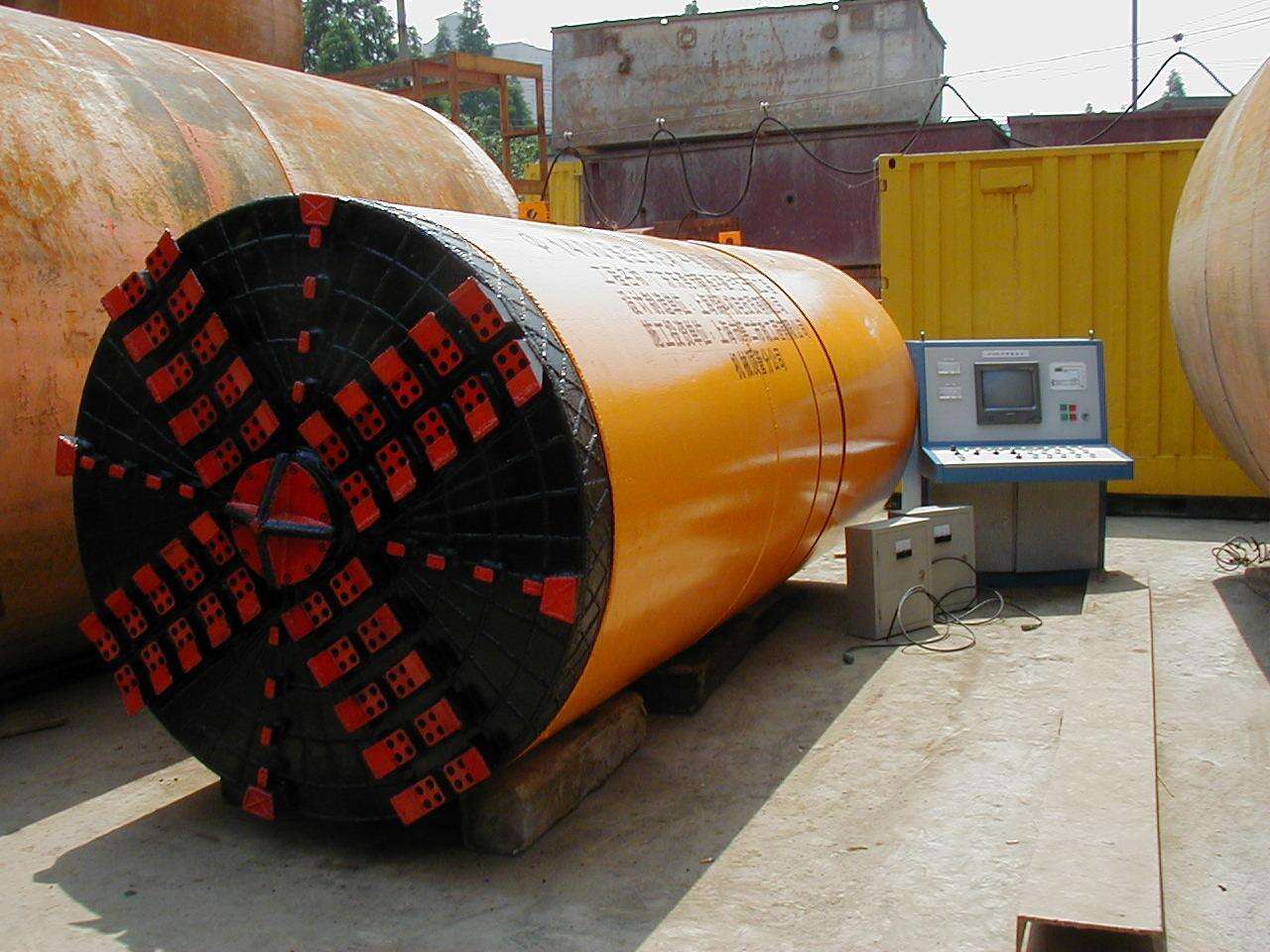
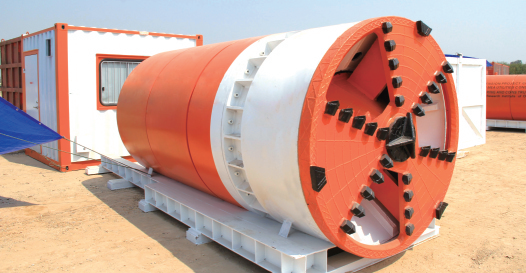
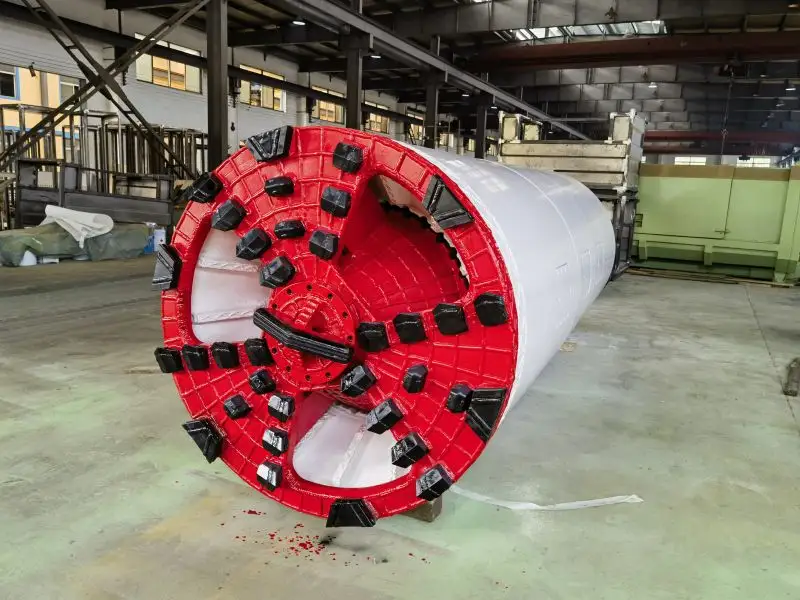
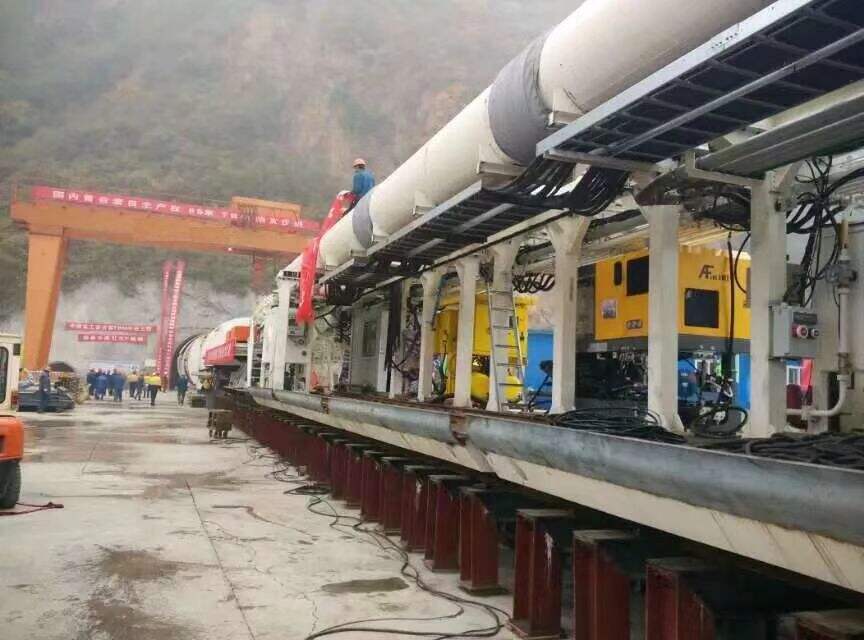
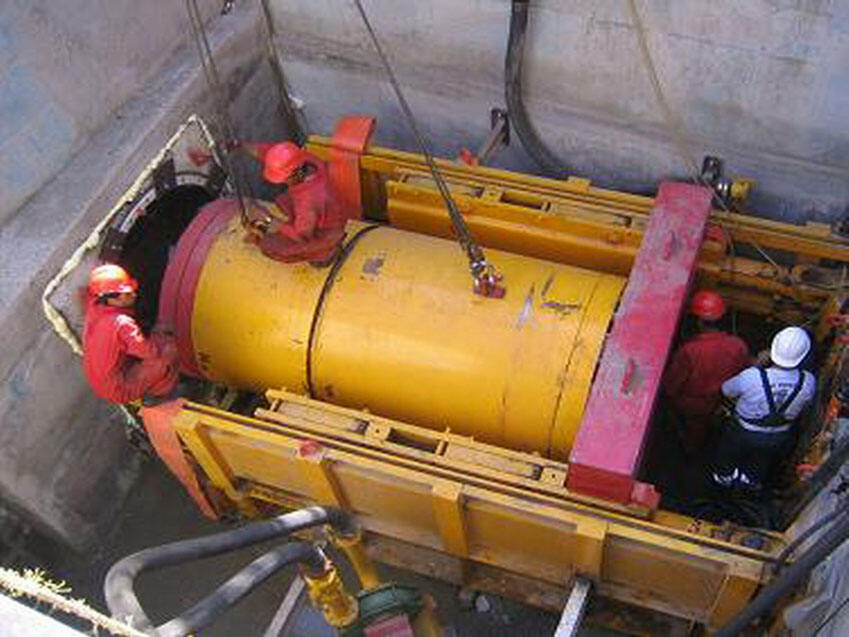
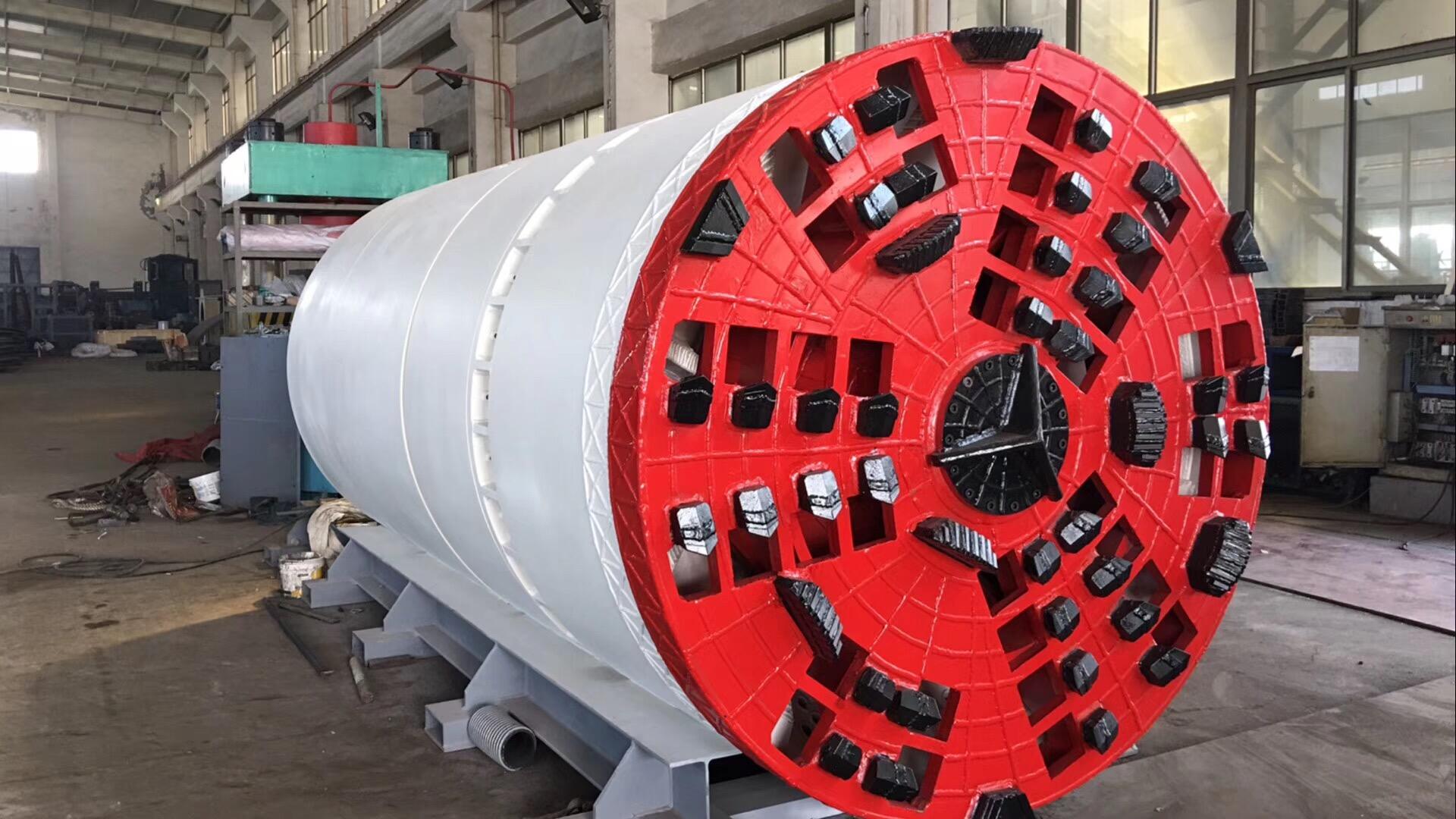
A small diameter microtunnel represents a revolutionary advancement in underground infrastructure development, designed specifically for creating precise, compact tunnels with diameters typically ranging from 300mm to 1500mm. This innovative tunneling technology employs specialized microtunneling boring machines (MTBMs) that operate remotely, allowing for accurate excavation without requiring human entry into the tunnel space. The primary function of small diameter microtunnel systems centers on installing underground utilities such as water mains, sewer lines, gas pipelines, and telecommunications cables with minimal surface disruption. These systems utilize advanced guidance technologies including laser guidance systems and sophisticated navigation equipment to maintain precise alignment throughout the boring process. The technological framework incorporates automated cutting heads, slurry removal systems, and real-time monitoring capabilities that ensure optimal performance in various soil conditions. Small diameter microtunnel projects excel in urban environments where traditional open-cut methods prove impractical due to traffic constraints, existing infrastructure, or environmental concerns. The technology features robust pipe jacking systems that simultaneously install permanent pipeline materials during the excavation process, eliminating the need for separate installation phases. Modern small diameter microtunnel equipment integrates computerized control systems that monitor thrust forces, cutting tool wear, and ground conditions continuously. Applications span across municipal water distribution networks, stormwater management systems, industrial process piping, and utility crossings beneath roads, railways, and waterways. The versatility of small diameter microtunnel technology makes it suitable for projects ranging from short utility connections to extensive underground networks spanning several kilometers. These systems demonstrate exceptional capability in navigating challenging geological formations including clay, sand, rock, and mixed ground conditions while maintaining structural integrity of surrounding infrastructure.

Popular Products

Small diameter microtunnel technology delivers significant cost savings compared to traditional excavation methods by eliminating extensive surface restoration work and reducing project timelines substantially. Construction teams can complete installations faster because the continuous boring and pipe installation process operates simultaneously, maximizing productivity and minimizing labor requirements. Environmental benefits include dramatically reduced surface disturbance, preserving landscaping, pavement, and existing structures while maintaining normal traffic flow during construction activities. The precision accuracy of small diameter microtunnel systems ensures installations meet exact grade and alignment specifications, reducing future maintenance needs and extending service life of installed utilities. Safety improvements represent a major advantage as remote operation eliminates worker exposure to confined space hazards, toxic gases, and unstable ground conditions commonly encountered in traditional tunneling methods. Property owners experience minimal disruption to daily operations since small diameter microtunnel projects require only small access points rather than continuous trenching across entire project lengths. Municipal authorities benefit from reduced permit complexity and community relations challenges because surface impact remains localized to entry and exit shaft locations. The technology enables installations beneath sensitive areas including highways, railways, buildings, and environmentally protected zones without compromising structural stability or ecological systems. Quality control advantages include real-time monitoring of installation parameters, ensuring consistent pipe positioning and joint integrity throughout the entire project length. Long-term operational benefits include improved pipeline performance due to precise installation tolerances and reduced infiltration risks associated with properly aligned joints. Economic advantages extend beyond initial construction savings to include reduced traffic management costs, eliminated pavement restoration expenses, and minimized utility relocations. Weather independence allows year-round construction schedules since underground operations continue regardless of surface weather conditions, providing schedule certainty for critical infrastructure projects. The versatility of small diameter microtunnel technology accommodates various pipe materials including concrete, steel, PVC, and specialized composites, offering flexibility for specific project requirements and budget considerations.

Practical Tips

What Technologies Drive the Efficiency of No-Dig Tunnel Drills?

18

Sep

What Technologies Drive the Efficiency of No-Dig Tunnel Drills?

Advancing Underground Construction Through Modern Drilling Innovation The evolution of no-dig tunnel drills has revolutionized underground construction and infrastructure development. These sophisticated machines have transformed how we approach tunn...
View More
What Makes No-Dig Solutions Ideal for Underground Piping?

23

Sep

What Makes No-Dig Solutions Ideal for Underground Piping?

Understanding Modern Underground Pipe Installation Methods The construction and maintenance of underground infrastructure have evolved significantly over the years, with no-dig solutions emerging as a revolutionary approach to pipe installation and r...
View More
Top Benefits Of Using A Pipe Jacking Machine For Underground Infrastructure Works

16

Oct

Top Benefits Of Using A Pipe Jacking Machine For Underground Infrastructure Works

Revolutionizing Underground Construction Through Advanced Pipe Jacking Technology The modern urban landscape demands innovative solutions for installing underground infrastructure while minimizing surface disruption. Pipe jacking machines have emerge...
View More
How Micro TBM is Revolutionizing Underground Excavation

24

Oct

How Micro TBM is Revolutionizing Underground Excavation

What Is a Micro TBM? Core Components and Key DifferencesDefinition and core components of Micro TBMThe Micro Tunnel Boring Machine, commonly called TBM, works best when digging tunnels smaller than 1.5 meters across. These machines come equipped with...
View More

Get a Free Quote

Our representative will contact you soon.
Email
Name
Company Name
Message
0/1000

small diameter microtunnel

Unmatched Precision and Accuracy Control

Unmatched Precision and Accuracy Control

The sophisticated guidance systems integrated into small diameter microtunnel equipment deliver unprecedented precision in underground installations, utilizing laser guidance technology and advanced gyroscopic navigation systems that maintain alignment accuracy within millimeters over extended distances. This exceptional precision capability stems from real-time monitoring systems that continuously track the boring head position, comparing actual location against predetermined design parameters and making instant corrections to maintain optimal trajectory. The computerized control systems process multiple data inputs simultaneously, including ground conditions, thrust pressures, cutting tool performance, and alignment measurements, ensuring consistent accuracy throughout the entire installation process. Professional operators benefit from intuitive control interfaces that display real-time positional data, grade information, and system performance metrics, enabling immediate adjustments to maintain design specifications. The precision advantages translate directly into superior long-term performance of installed utilities, as accurate grade control ensures proper hydraulic flow characteristics for gravity-fed systems and eliminates low spots that could cause operational problems. Construction quality receives significant enhancement through continuous monitoring capabilities that document installation parameters, providing comprehensive quality assurance records for project stakeholders. The advanced navigation technology proves particularly valuable in urban environments where precise alignment becomes critical to avoid conflicts with existing underground utilities, building foundations, and other subsurface structures. Small diameter microtunnel precision extends beyond horizontal alignment to include exceptional grade control, enabling installations with complex vertical profiles that match exact design requirements for optimal system performance. The technology accommodates tight tolerance requirements commonly specified for critical infrastructure projects, delivering installation accuracy that exceeds traditional methods by significant margins while maintaining consistency across varying ground conditions.
Minimal Environmental Impact and Surface Disruption

Minimal Environmental Impact and Surface Disruption

Small diameter microtunnel technology revolutionizes infrastructure development by virtually eliminating surface disruption, preserving existing landscapes, roadways, and community spaces while installing essential underground utilities with remarkable environmental responsibility. The trenchless installation method requires only small entry and exit points, typically measuring just a few meters in diameter, compared to continuous excavation trenches that can span entire project lengths and create extensive surface disturbance. Environmental stewardship becomes evident through the preservation of mature trees, established landscaping, and natural drainage patterns that would otherwise require removal or modification using conventional installation methods. The reduced carbon footprint associated with small diameter microtunnel projects results from eliminated soil removal and disposal requirements, reduced equipment transportation needs, and minimized restoration material consumption. Community benefits include maintained access to businesses, residences, and public facilities throughout construction periods, as normal traffic flow continues uninterrupted above ongoing underground installation activities. The technology demonstrates particular value in environmentally sensitive areas where traditional excavation could impact protected habitats, wetlands, or archaeological sites, allowing essential infrastructure development while maintaining ecological preservation. Property value protection represents a significant advantage as established landscaping, hardscaping, and surface improvements remain undisturbed, eliminating costly restoration requirements and preserving aesthetic appeal. The minimal surface footprint reduces construction-related noise, dust, and visual impact on surrounding communities, improving public acceptance of necessary infrastructure improvement projects. Long-term environmental benefits include reduced infiltration potential due to precise pipe joint installation and eliminated settlement risks associated with backfilled trenches. The sustainable approach aligns with modern environmental regulations and community expectations for responsible construction practices, supporting green infrastructure development initiatives and environmental stewardship goals.
Superior Cost-Effectiveness and Project Efficiency

Superior Cost-Effectiveness and Project Efficiency

The economic advantages of small diameter microtunnel technology extend far beyond initial installation costs to encompass comprehensive project savings through reduced restoration expenses, accelerated completion schedules, and minimized indirect costs associated with surface disruption. Construction budgets benefit significantly from eliminated pavement removal and replacement costs, eliminated landscaping restoration requirements, and reduced traffic management expenses that typically represent substantial portions of traditional utility installation projects. The efficient installation process combines excavation and pipe installation into a single operation, maximizing productivity while minimizing labor requirements and equipment rental costs compared to multi-phase traditional methods. Project scheduling advantages include weather-independent operations that continue regardless of surface conditions, providing predictable completion timelines and reducing weather-related delays that commonly impact conventional construction projects. The technology enables installations beneath existing infrastructure without requiring costly relocations of utilities, roadways, or structures, avoiding complex coordination requirements and associated expenses. Long-term economic benefits include reduced maintenance costs due to precise installation tolerances, improved pipe joint integrity, and eliminated settlement issues commonly associated with backfilled trenches. Municipal authorities realize significant savings through reduced permit processing costs, simplified traffic management requirements, and minimized public relations challenges associated with extended surface construction activities. The return on investment calculation improves dramatically when considering avoided costs including business interruption claims, emergency utility relocations, and extended project duration expenses. Equipment efficiency maximizes cost-effectiveness through continuous operation capabilities, automated systems that reduce operator skill requirements, and versatile equipment configurations that accommodate various project sizes and requirements. The small diameter microtunnel investment proves particularly cost-effective for projects requiring installations beneath valuable surface improvements, environmentally sensitive areas, or high-traffic corridors where conventional methods would incur substantial additional expenses.

Get a Free Quote

Our representative will contact you soon.
Email
Name
Company Name
Message
0/1000