Variable Density TBM: Revolutionary Tunnel Boring Technology for Modern Infrastructure Projects

Contact me immediately if you encounter problems!

All Categories

Get a Free Quote

Our representative will contact you soon.
Email
Name
Company Name
Message
0/1000

variable density tbm

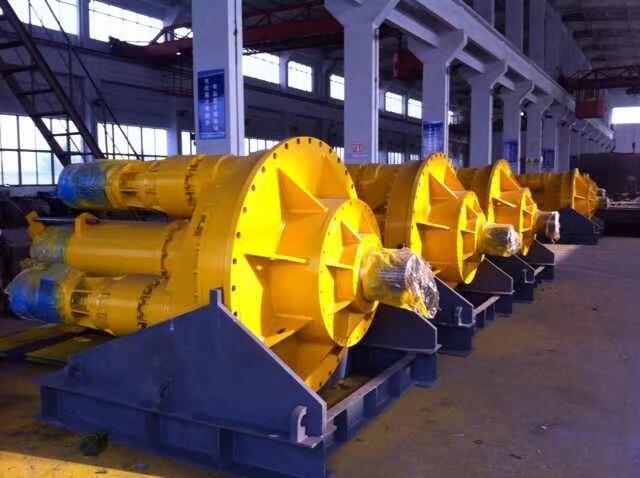
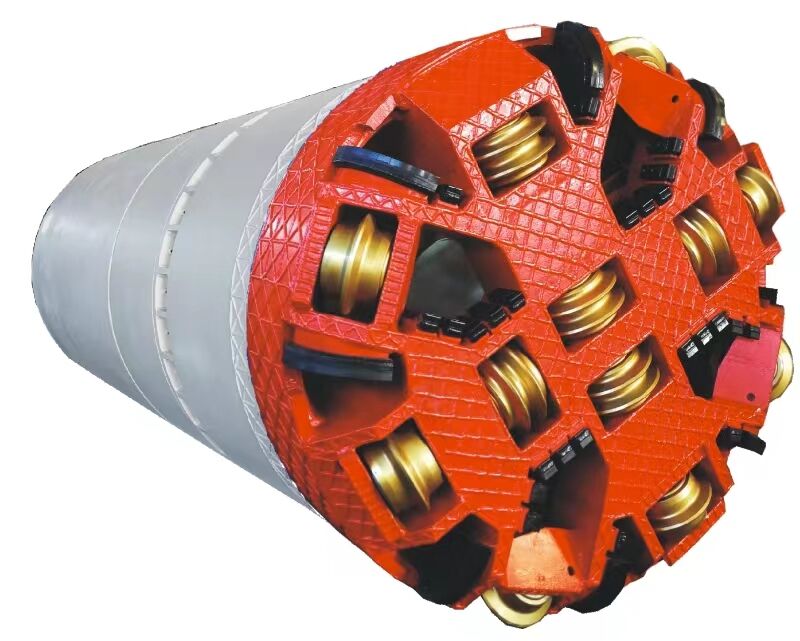
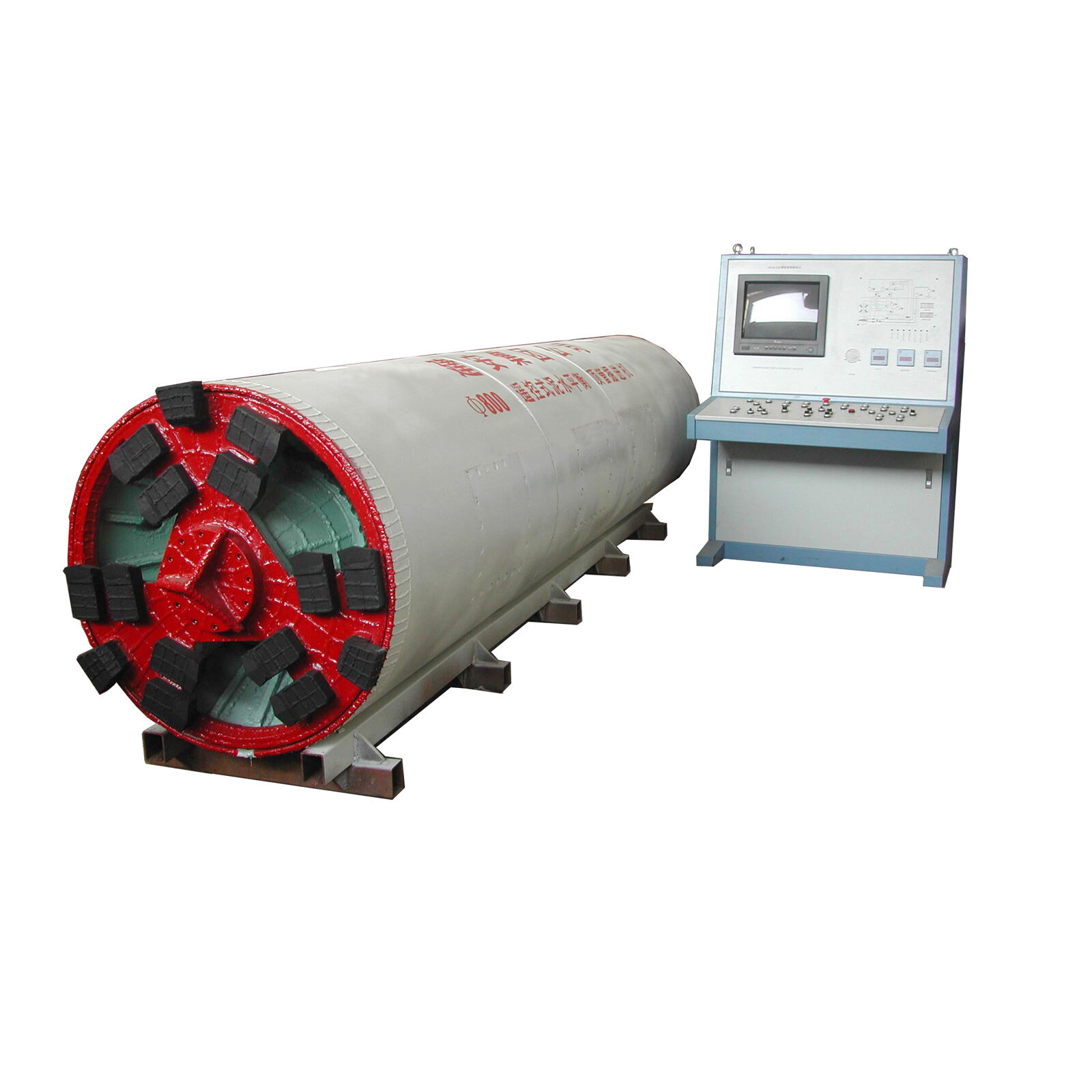
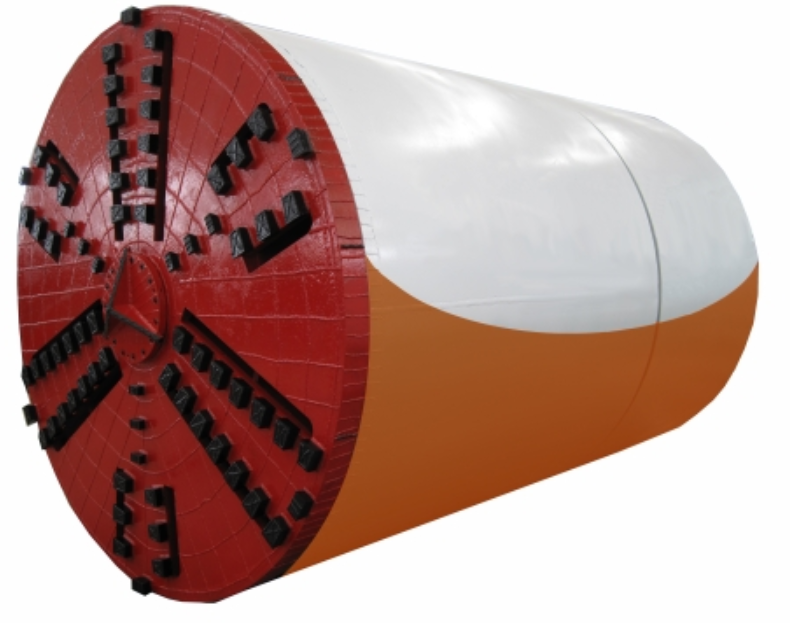
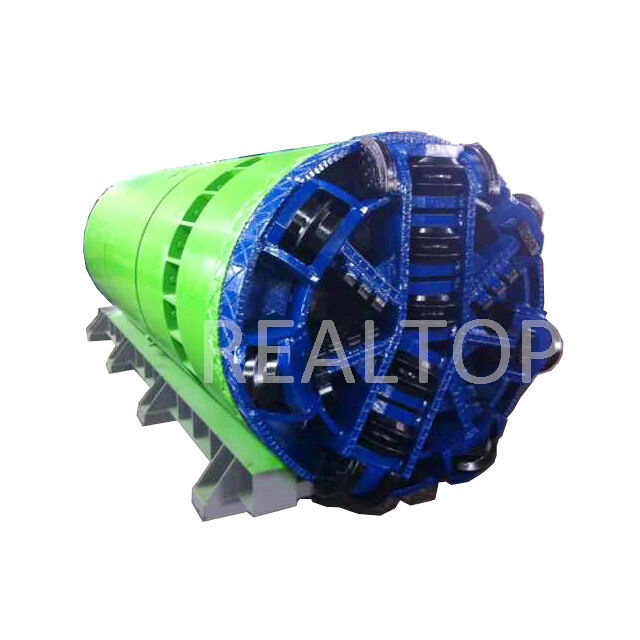
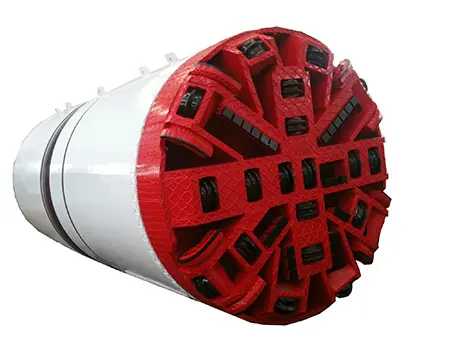
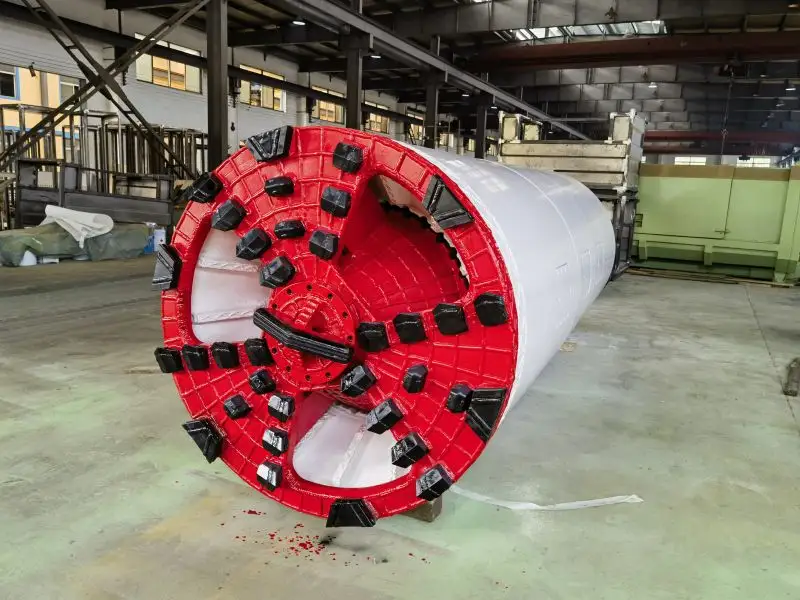
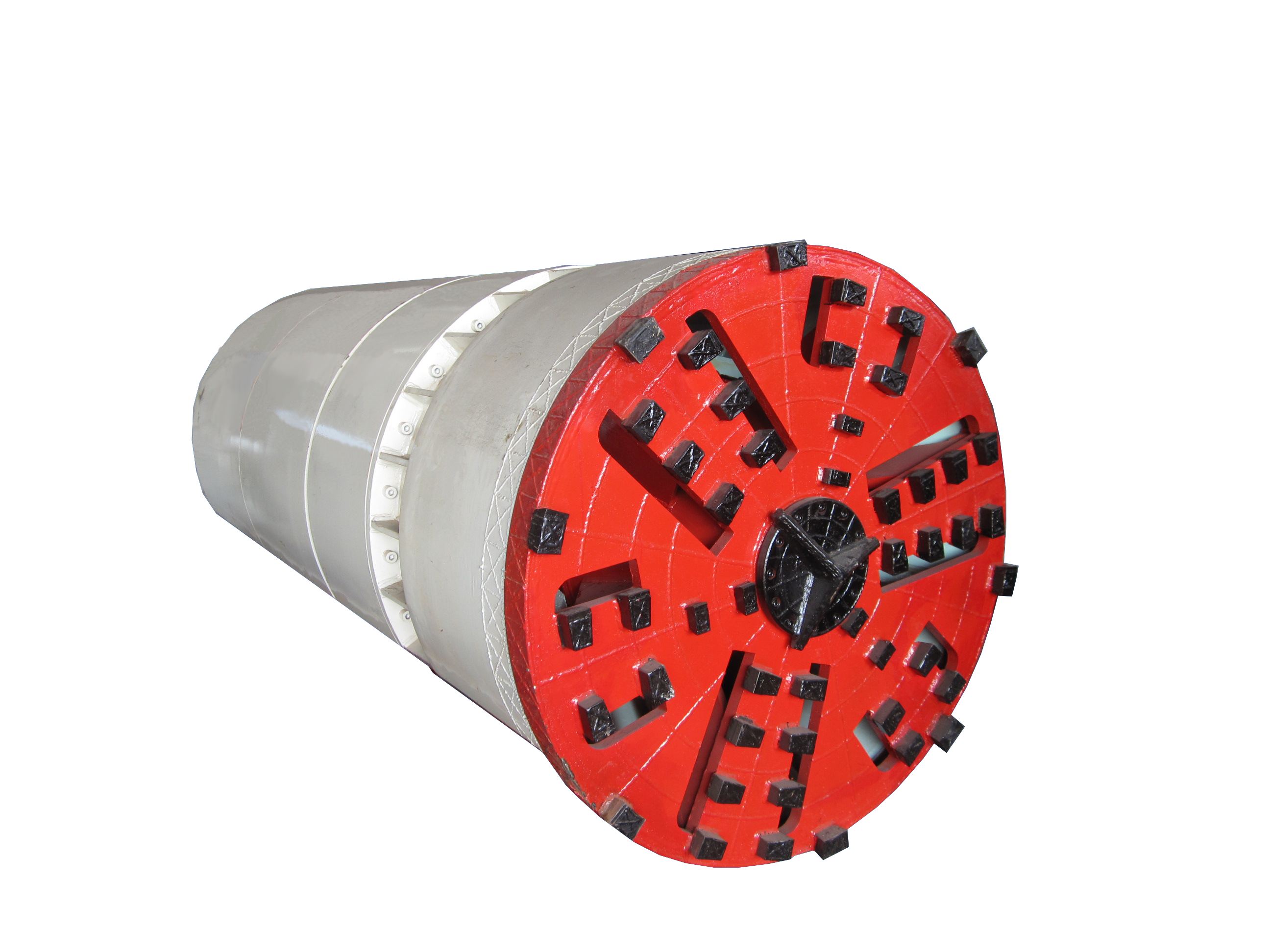
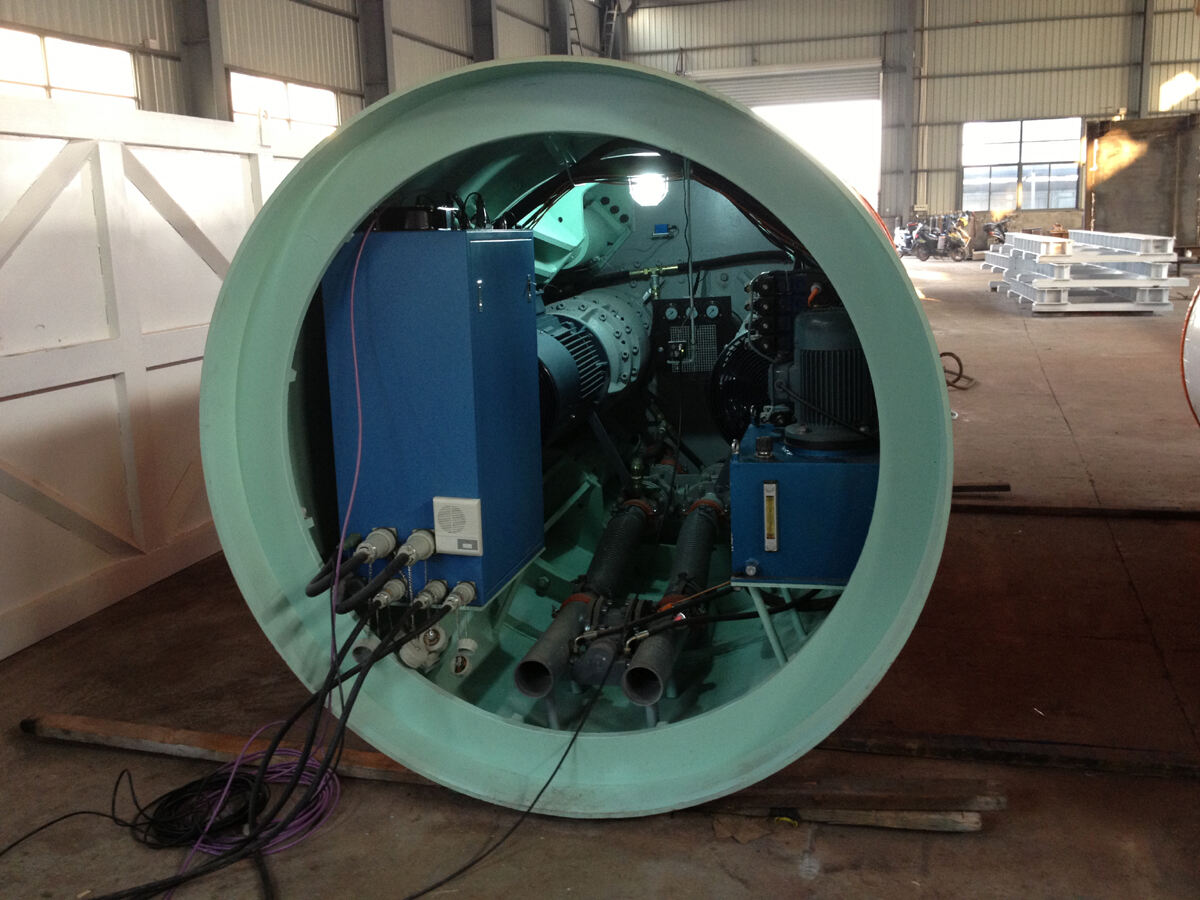
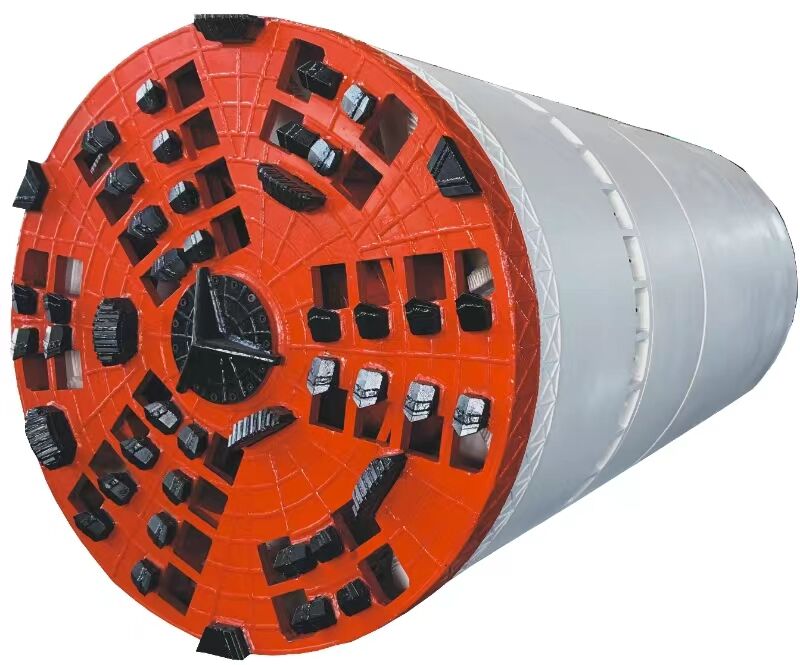
Variable density TBM (Tunnel Boring Machine) represents a revolutionary advancement in underground excavation technology, specifically engineered to handle diverse geological conditions with remarkable precision and efficiency. This sophisticated tunneling system employs cutting-edge density control mechanisms that automatically adjust operational parameters based on real-time soil and rock conditions encountered during excavation. The variable density TBM integrates advanced sensors, hydraulic systems, and computerized control units to optimize boring performance across varying ground compositions, from soft clay to hard rock formations. The primary functions of this innovative machine include continuous excavation, real-time ground condition assessment, automatic parameter adjustment, and simultaneous tunnel lining installation. Its core technological features encompass adaptive cutting head configurations, intelligent thrust control systems, dynamic torque management, and integrated slurry circulation networks. The machine utilizes sophisticated pressure monitoring systems that continuously evaluate ground stability and adjust operational density accordingly, ensuring optimal excavation rates while maintaining structural integrity. Modern variable density TBM units incorporate GPS guidance systems, laser surveying technology, and automated segment installation mechanisms for precise tunnel alignment and construction quality. Applications for variable density TBM technology span numerous infrastructure projects including subway systems, water treatment facilities, utility tunnels, highway underpasses, and major pipeline installations. The versatility of these machines makes them particularly valuable for urban construction projects where ground conditions frequently change and environmental impact must be minimized. Metropolitan transit authorities increasingly rely on variable density TBM technology for expanding underground transportation networks due to their ability to navigate complex geological transitions seamlessly. Water management projects benefit significantly from variable density TBM capabilities, especially when constructing deep sewerage systems or water supply tunnels that traverse multiple geological layers. The technology proves essential for creating underground storage facilities, parking structures, and commercial complexes in densely populated urban areas where traditional excavation methods would prove impractical or disruptive.

Popular Products

Variable density TBM technology delivers substantial operational benefits that directly translate into cost savings and project efficiency improvements for construction companies and infrastructure developers. The primary advantage lies in its adaptive capability, which eliminates the need for multiple specialized machines when encountering different ground conditions during a single project. This flexibility reduces equipment procurement costs significantly and streamlines project logistics by maintaining continuous operation regardless of geological variations. The intelligent pressure adjustment system ensures optimal soil removal rates while preventing ground settlement or surface damage, which traditionally required expensive remediation work and project delays. Enhanced safety features built into variable density TBM systems protect workers by minimizing human exposure to hazardous underground conditions and reducing accident risks through automated operation protocols. The precision control mechanisms maintain consistent tunnel dimensions and alignment accuracy, eliminating costly rework and ensuring compliance with engineering specifications from the initial excavation phase. Real-time monitoring capabilities enable immediate response to unexpected ground conditions, preventing equipment damage and avoiding expensive downtime that typically occurs with conventional boring methods. The integrated slurry management system efficiently handles excavated material while maintaining tunnel face stability, reducing disposal costs and environmental impact compared to traditional excavation approaches. Faster project completion times result from continuous operation capabilities and reduced need for equipment changeovers, allowing contractors to meet tight construction schedules and avoid penalty clauses. Lower maintenance requirements stem from advanced component design and automated lubrication systems that extend equipment lifespan and reduce service interruptions. The compact design of modern variable density TBM units enables operation in confined urban spaces where larger conventional equipment cannot access project sites effectively. Energy efficiency improvements through optimized hydraulic systems and intelligent power management reduce operational costs while supporting environmental sustainability goals. Quality control benefits include consistent tunnel finish quality, reduced material waste, and improved structural integrity that meets or exceeds engineering standards. The technology supports simultaneous utility installation during excavation, eliminating secondary construction phases and reducing overall project timelines. Risk mitigation advantages include predictable cost structures, reduced weather dependency, and minimized surface disruption in sensitive urban environments.

Tips And Tricks

What Technologies Drive the Efficiency of No-Dig Tunnel Drills?

18

Sep

What Technologies Drive the Efficiency of No-Dig Tunnel Drills?

Advancing Underground Construction Through Modern Drilling Innovation The evolution of no-dig tunnel drills has revolutionized underground construction and infrastructure development. These sophisticated machines have transformed how we approach tunn...
View More
What Makes A Micro Tunneling Machine Essential For Modern Cities?

16

Oct

What Makes A Micro Tunneling Machine Essential For Modern Cities?

The Revolution of Underground Infrastructure Development In the heart of bustling urban landscapes, beneath the maze of streets and buildings, a technological marvel quietly transforms the way we build and maintain city infrastructure. The micro tunn...
View More
Maintenance and Care Tips for Tunnel Drilling Machines

24

Oct

Maintenance and Care Tips for Tunnel Drilling Machines

Preventative Maintenance to Maximize Uptime and Reduce Costs The Role of Preventative Maintenance in Reducing Equipment Downtime Keeping tunnel drilling machines well maintained ahead of time stops expensive work stoppages because problems get fixed...
View More
How Micro TBM is Revolutionizing Underground Excavation

24

Oct

How Micro TBM is Revolutionizing Underground Excavation

What Is a Micro TBM? Core Components and Key DifferencesDefinition and core components of Micro TBMThe Micro Tunnel Boring Machine, commonly called TBM, works best when digging tunnels smaller than 1.5 meters across. These machines come equipped with...
View More

Get a Free Quote

Our representative will contact you soon.
Email
Name
Company Name
Message
0/1000

variable density tbm

Advanced Geological Adaptation Technology

Advanced Geological Adaptation Technology

The cornerstone feature of variable density TBM systems lies in their sophisticated geological adaptation technology, which represents a quantum leap forward in underground construction capabilities. This revolutionary system employs an array of advanced sensors and monitoring equipment that continuously analyze soil composition, rock hardness, water content, and ground stability throughout the excavation process. The intelligent adaptation mechanism automatically adjusts cutting head rotation speed, thrust pressure, and advance rate to optimize performance for specific ground conditions encountered in real-time. This technology eliminates the guesswork traditionally associated with tunnel boring operations and prevents the costly delays that occur when machines encounter unexpected geological changes. The system incorporates machine learning algorithms that analyze historical performance data to predict optimal settings for similar ground conditions, continuously improving operational efficiency over time. Specialized pressure sensors monitor ground water levels and soil density variations, enabling the variable density TBM to maintain tunnel face stability while preventing ground settlement that could damage surface structures. The adaptive cutting head design features interchangeable tools and adjustable configurations that automatically optimize for different material types, from soft alluvial soils to hard granite formations. This technological sophistication ensures consistent excavation quality regardless of geological complexity, providing construction teams with reliable performance predictions and accurate project timeline estimates. The geological adaptation system integrates with GPS technology and survey equipment to maintain precise tunnel alignment while adjusting for ground condition variations that might otherwise cause deviation from planned routes. Advanced slurry circulation systems work in conjunction with the adaptation technology to maintain optimal face pressure and efficiently remove excavated materials without compromising tunnel stability. This comprehensive approach to geological adaptation significantly reduces project risks, eliminates costly equipment damage from inappropriate operating parameters, and ensures consistent progress rates throughout complex underground projects.
Intelligent Real-Time Control Systems

Intelligent Real-Time Control Systems

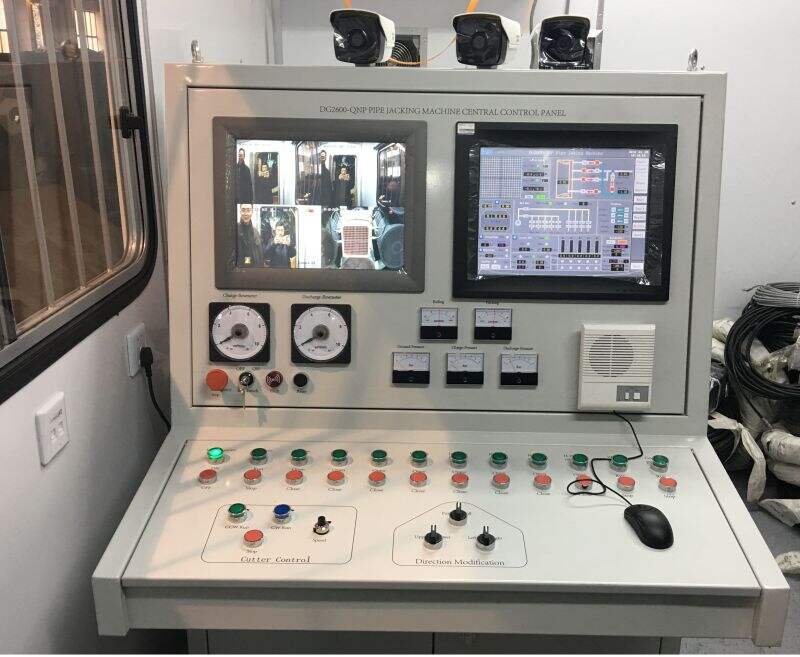
Variable density TBM technology incorporates state-of-the-art intelligent real-time control systems that revolutionize tunnel construction through unprecedented automation and precision management capabilities. These sophisticated control systems utilize advanced computer processing power combined with artificial intelligence algorithms to make instantaneous operational adjustments based on continuously monitored parameters including ground conditions, equipment performance, and safety metrics. The intelligent control architecture processes thousands of data points per second from sensors throughout the machine, creating a comprehensive understanding of operational conditions that enables optimal performance optimization. Automated safety protocols built into the control system immediately respond to potential hazard situations by adjusting operational parameters or initiating emergency shutdown procedures to protect both equipment and personnel. The real-time control system manages complex interactions between cutting head rotation, thrust cylinder pressure, slurry circulation rates, and advance speed to maintain optimal boring efficiency while ensuring tunnel quality standards. Predictive maintenance capabilities within the intelligent control system monitor component wear patterns and operational stress factors to schedule maintenance activities proactively, preventing unexpected breakdowns and costly project delays. The system provides operators with intuitive dashboard interfaces displaying critical performance metrics, allowing human oversight while maintaining automated precision control for optimal results. Remote monitoring capabilities enable expert technicians to provide real-time support and troubleshooting assistance from off-site locations, reducing the need for specialized on-site personnel and improving response times for technical issues. Integration with project management software allows the intelligent control system to optimize daily production targets while maintaining quality standards and safety protocols throughout the construction process. The system automatically documents all operational parameters and performance data, creating comprehensive records for quality assurance, regulatory compliance, and future project planning reference. Advanced algorithm processing enables the control system to learn from operational experience and continuously improve performance recommendations for similar ground conditions and project requirements.
Enhanced Safety and Environmental Protection

Enhanced Safety and Environmental Protection

Variable density TBM technology prioritizes enhanced safety and environmental protection through innovative design features and automated systems that significantly reduce risks associated with underground construction projects. The enclosed boring environment eliminates worker exposure to hazardous underground conditions including toxic gases, unstable ground formations, and confined space dangers that traditionally plague tunnel construction operations. Advanced ventilation systems integrated within the variable density TBM maintain safe air quality throughout the tunnel length while automatically monitoring for dangerous gas accumulations that could pose health or explosion risks. Automated emergency response systems can rapidly evacuate personnel through dedicated escape routes while simultaneously implementing safety protocols to secure the work area and prevent equipment damage. The precision control capabilities of variable density TBM systems minimize ground disturbance and prevent surface settlement that could damage existing infrastructure or compromise building foundations in urban environments. Environmental protection benefits include significantly reduced noise levels compared to conventional excavation methods, minimizing disruption to surrounding communities and wildlife habitats during construction activities. The enclosed excavation process contains dust and debris that would otherwise contribute to air pollution and respiratory health concerns for nearby residents and workers. Efficient material handling systems built into variable density TBM technology reduce truck traffic and associated emissions while minimizing surface disruption from material transport and storage requirements. Water management capabilities prevent contamination of groundwater resources through controlled slurry circulation systems that treat and filter excavated materials before disposal or reuse. The precision boring capabilities reduce the need for explosive demolition and heavy machinery operation that typically generates significant environmental impact and safety hazards. Continuous monitoring systems track environmental parameters including vibration levels, noise generation, and ground movement to ensure compliance with environmental regulations and community protection standards. The technology supports sustainable construction practices through reduced material waste, energy-efficient operation, and minimized ecological footprint compared to traditional excavation methods that require extensive surface disruption and restoration work.

Get a Free Quote

Our representative will contact you soon.
Email
Name
Company Name
Message
0/1000