pipe jacking machine
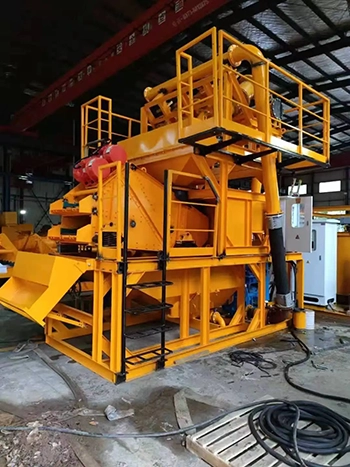
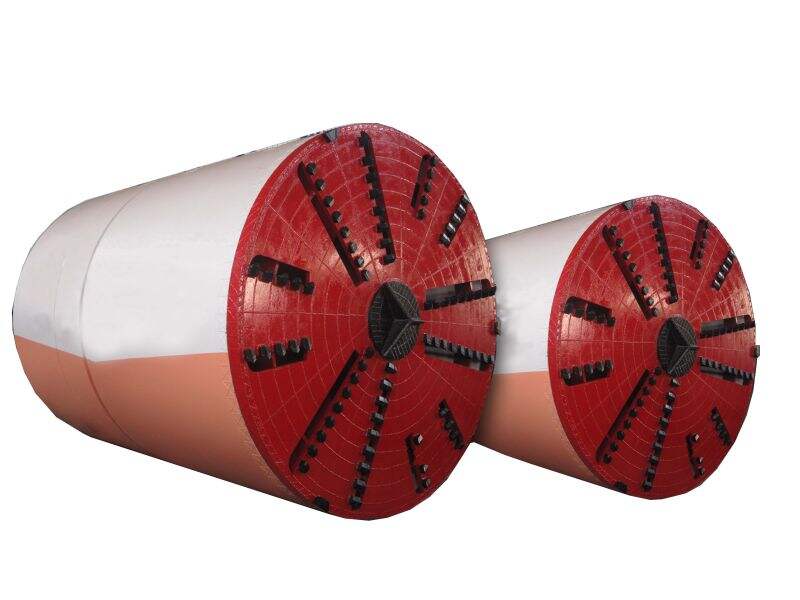
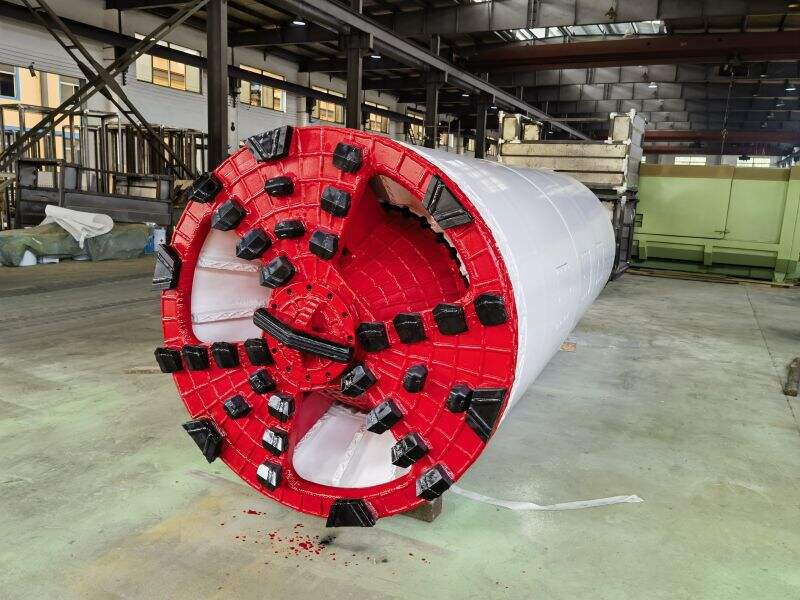
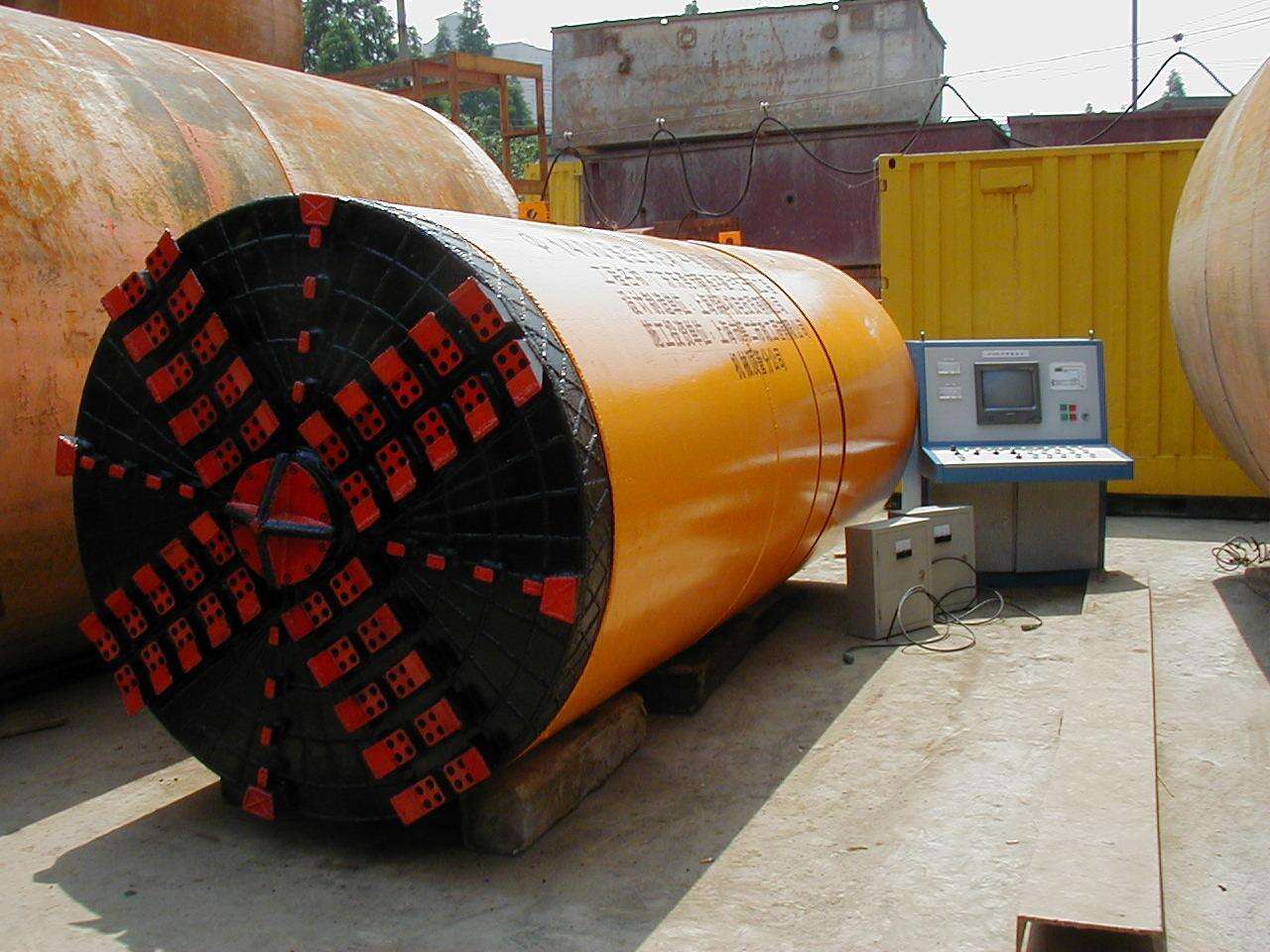
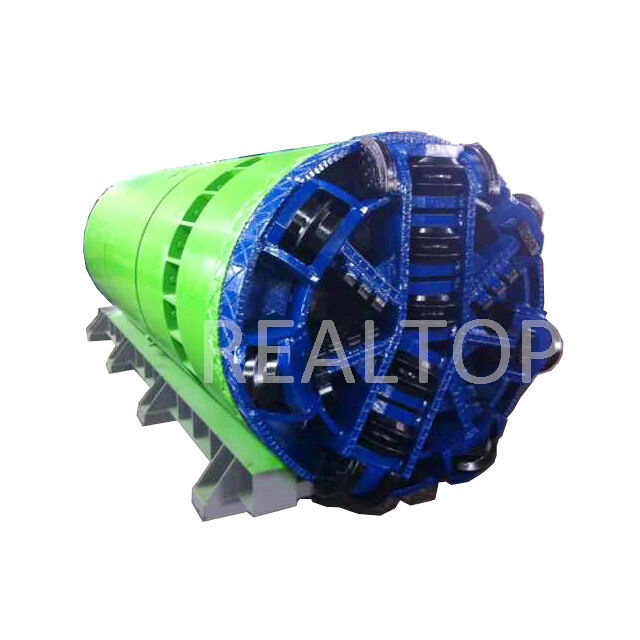
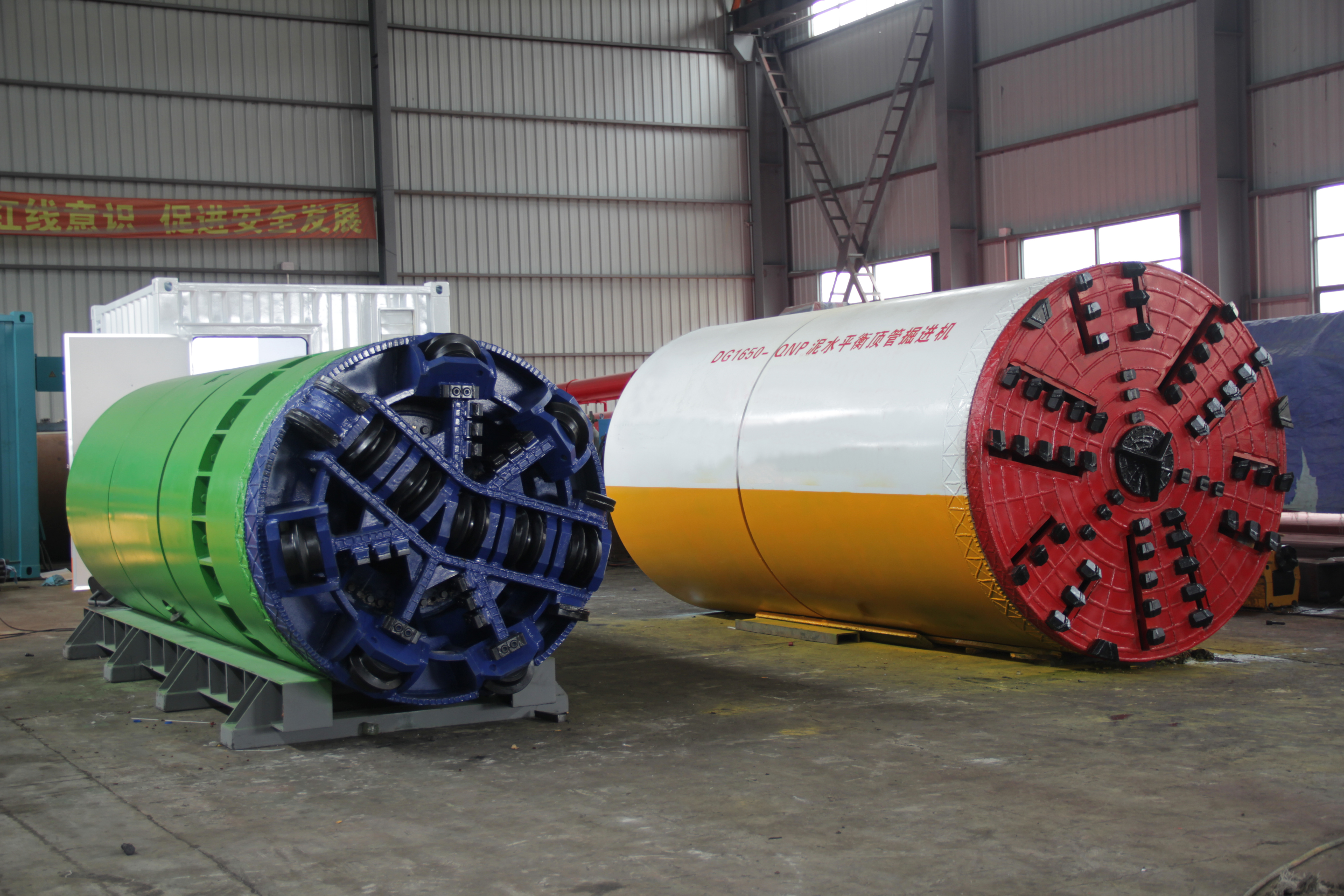
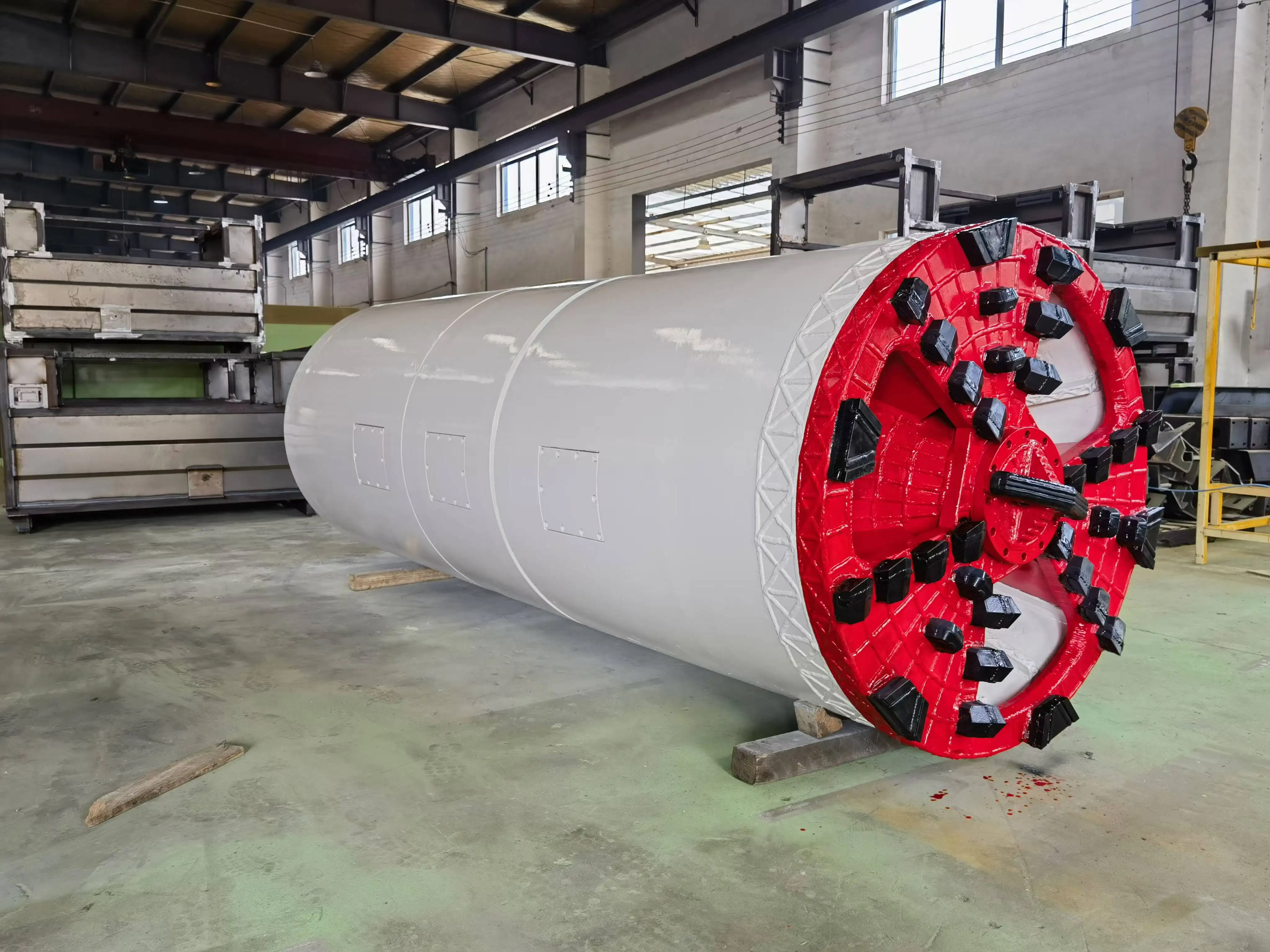
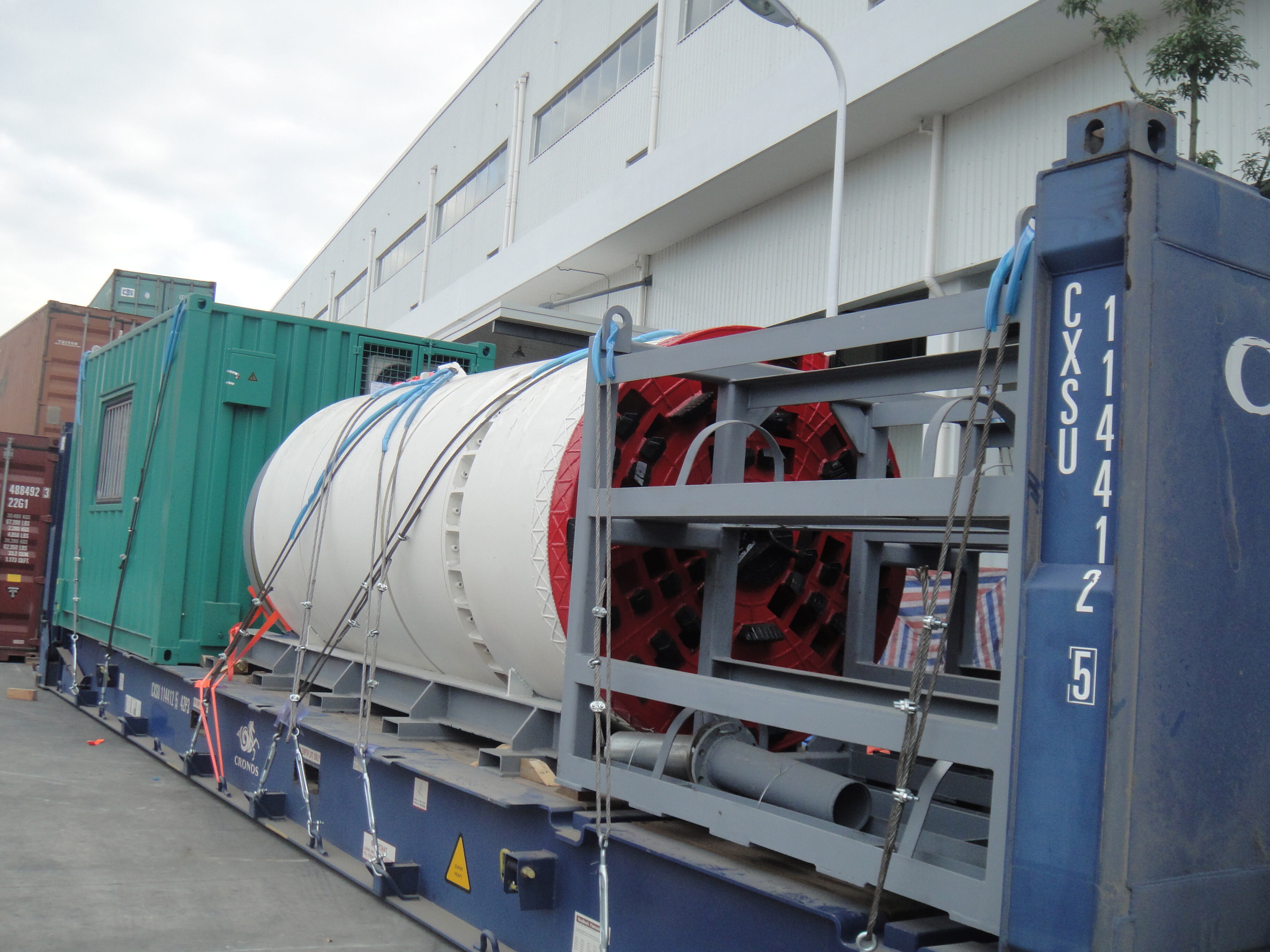
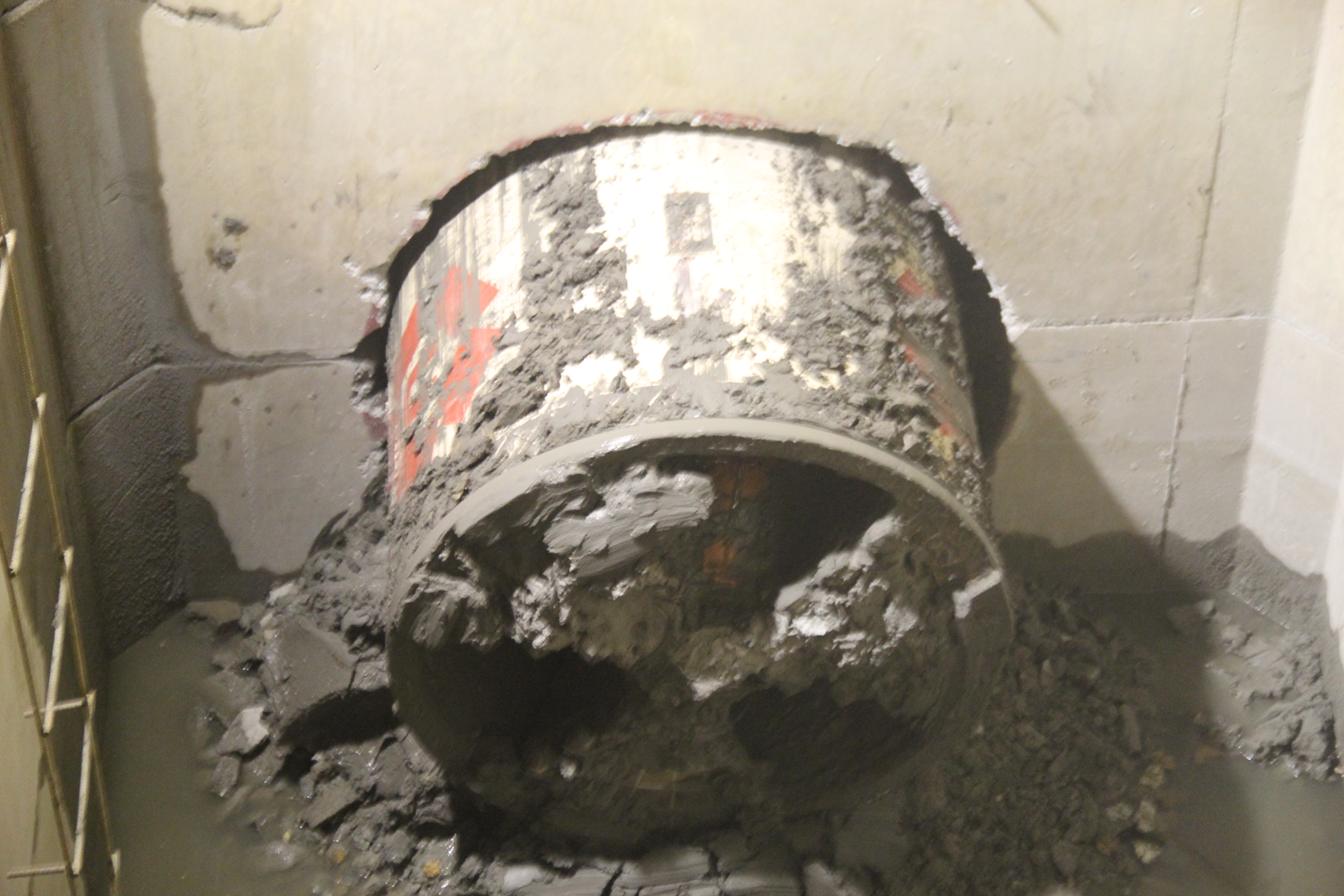
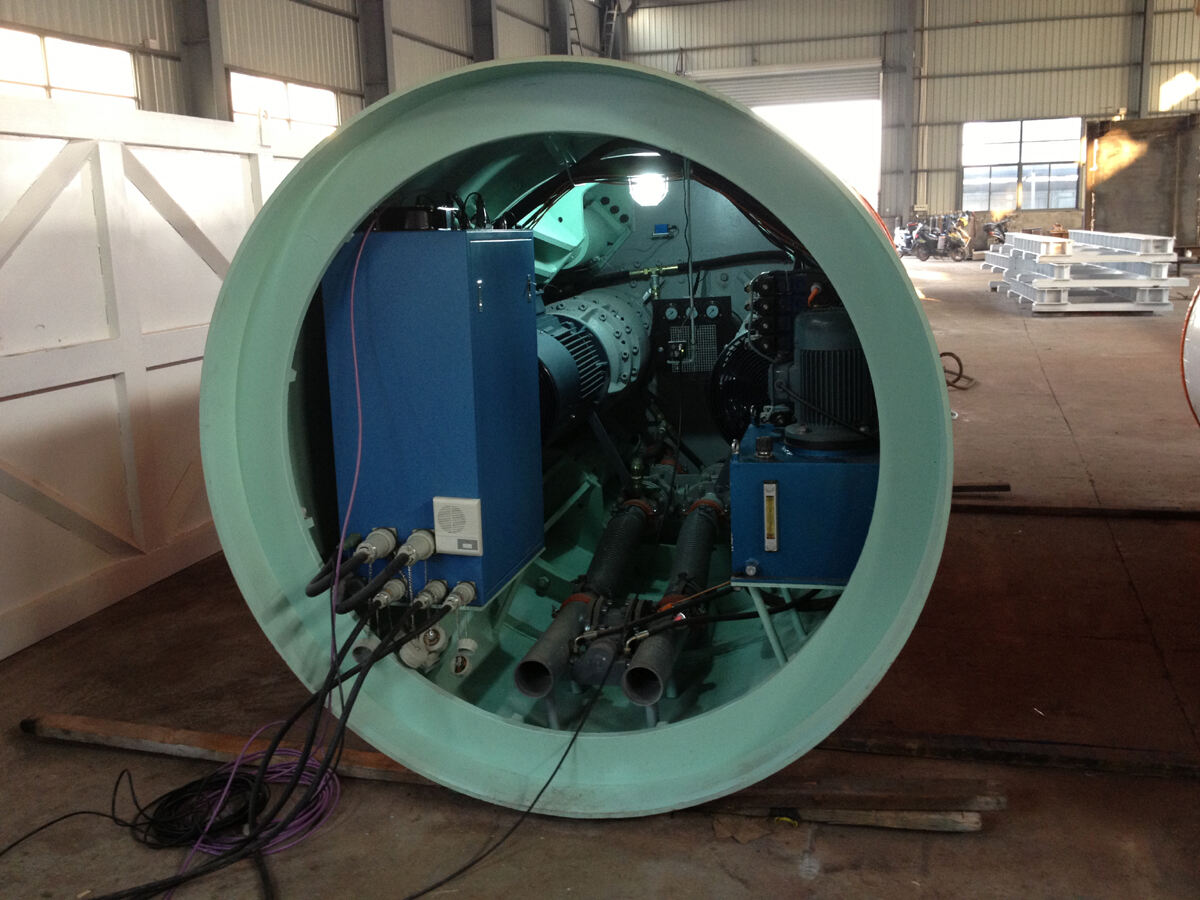
A pipe jacking machine represents a revolutionary advancement in trenchless construction technology, designed to install underground pipelines without extensive excavation. This sophisticated equipment pushes pipes through the ground using hydraulic jacking systems, creating tunnels for utilities, sewers, and infrastructure projects. The pipe jacking machine operates by advancing a cutting head through soil while simultaneously installing concrete, steel, or composite pipes behind it. The process begins with excavating a launch shaft where the pipe jacking machine is positioned. The machine's powerful hydraulic rams generate tremendous force to push pipes forward while maintaining precise alignment and grade control. Advanced guidance systems ensure accurate navigation through varying soil conditions, from soft clay to hard rock formations. Modern pipe jacking machines incorporate laser guidance technology, allowing operators to maintain millimeter-level precision over long distances. The cutting head design varies depending on soil conditions, with options including earth pressure balance shields, slurry shields, and hard rock cutters. These machines can handle pipe diameters ranging from 300mm to over 4000mm, accommodating diverse project requirements. The pipe jacking machine's modular design allows for customization based on specific geological conditions and project parameters. Integrated spoil removal systems efficiently transport excavated material to the surface, maintaining continuous operation. Remote monitoring capabilities enable real-time tracking of machine performance, soil pressure, and installation progress. Safety features include automatic shutdown systems, pressure monitoring, and emergency protocols to protect operators and surrounding infrastructure. The pipe jacking machine's versatility makes it suitable for installing water mains, gas lines, telecommunications ducts, and large-diameter sewers. Its ability to work beneath existing structures, railways, and waterways without disrupting surface activities has revolutionized underground construction practices, making it an essential tool for modern infrastructure development projects worldwide.

 EN
EN
 AR
AR BG
BG HR
HR CS
CS FR
FR DE
DE EL
EL HI
HI IT
IT JA
JA KO
KO RO
RO RU
RU ES
ES TL
TL ID
ID LT
LT SK
SK SL
SL UK
UK VI
VI ET
ET TH
TH TR
TR FA
FA AF
AF MS
MS HY
HY AZ
AZ KA
KA BN
BN LO
LO LA
LA MN
MN NE
NE MY
MY KK
KK UZ
UZ KY
KY