Advanced Microtunnelling Machine Solutions - Precision Underground Construction Technology

Contact me immediately if you encounter problems!

All Categories

Get a Free Quote

Our representative will contact you soon.
Email
Name
Company Name
Message
0/1000

microtunnelling machine

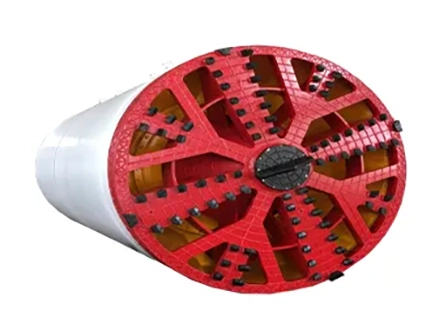
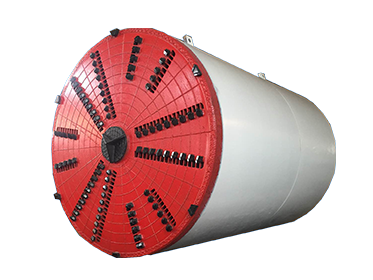
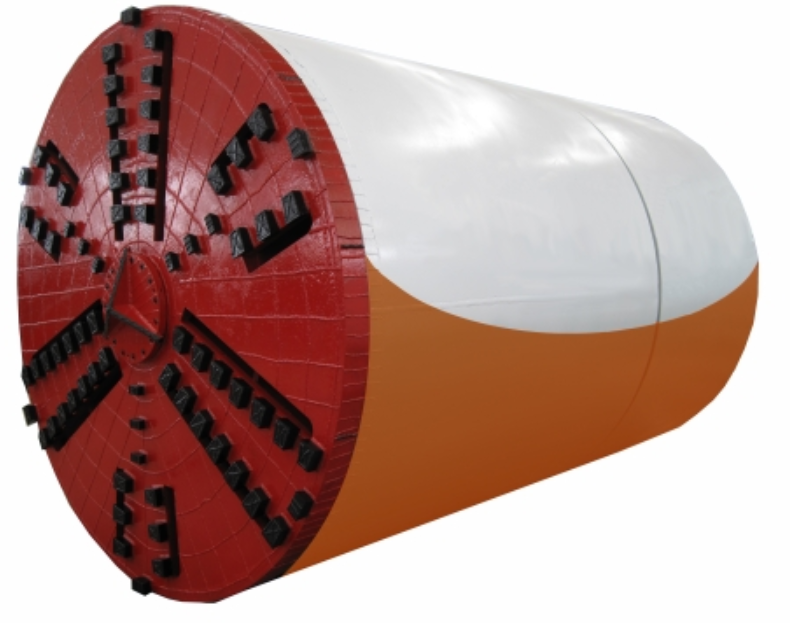
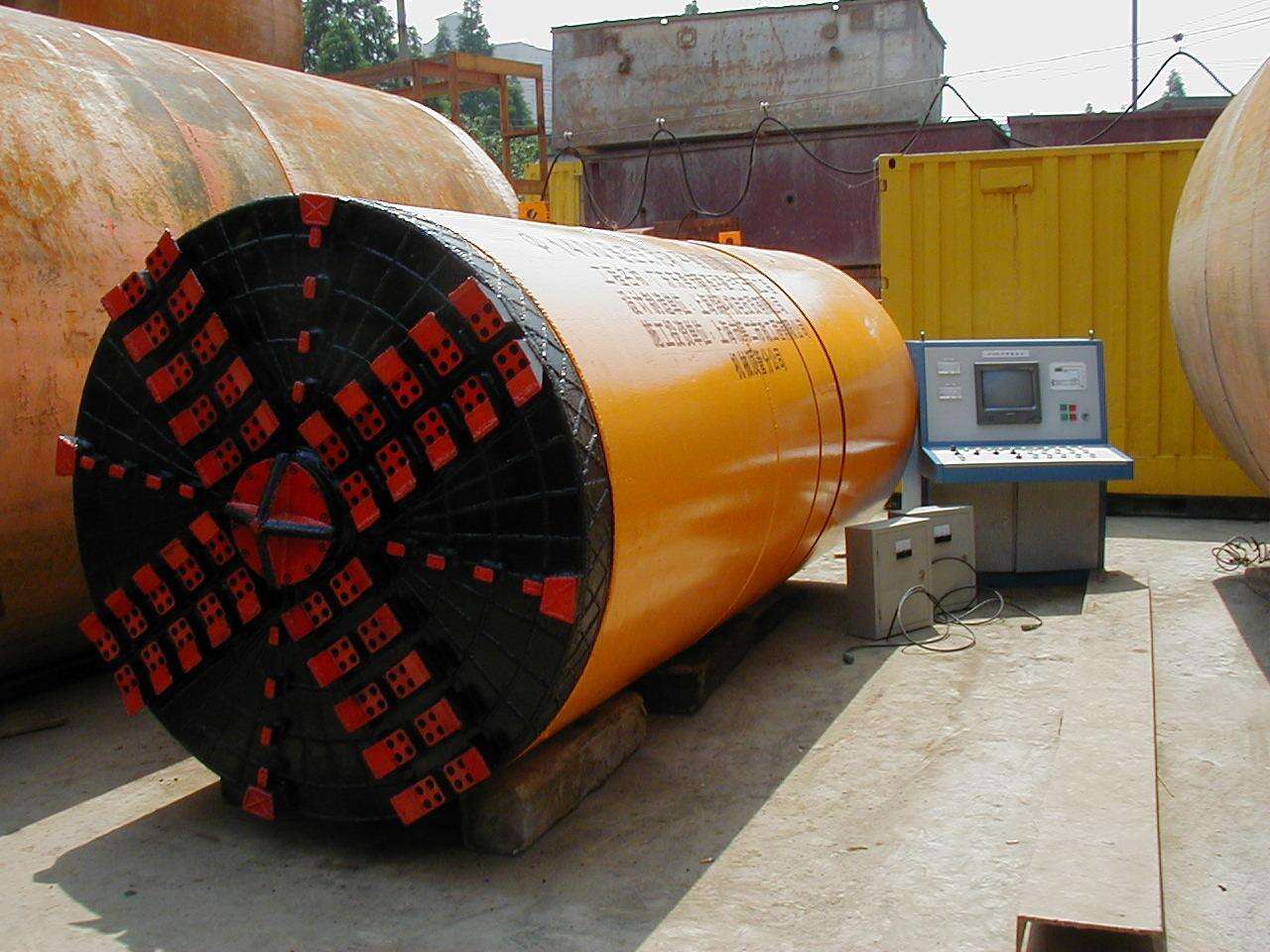
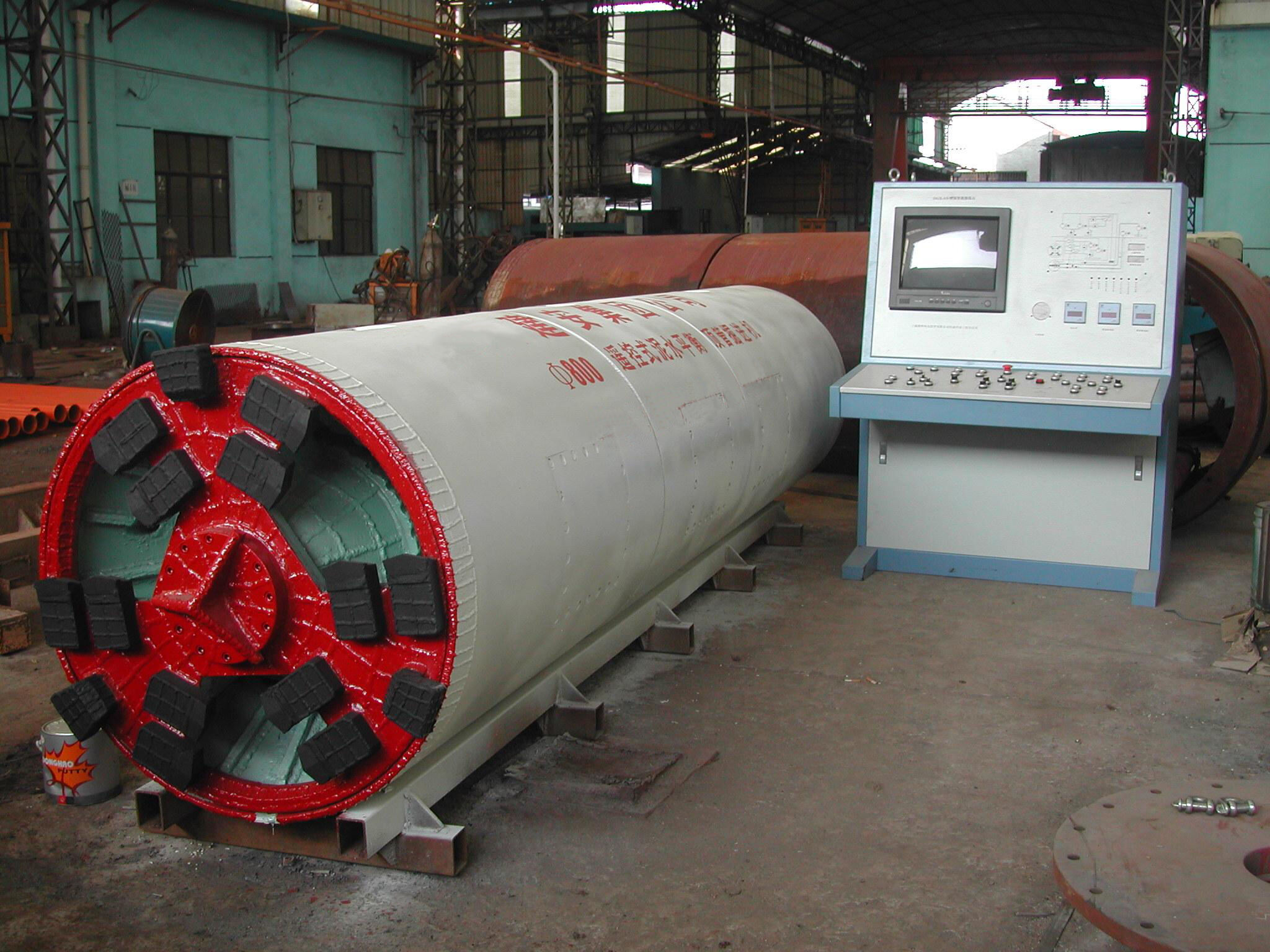
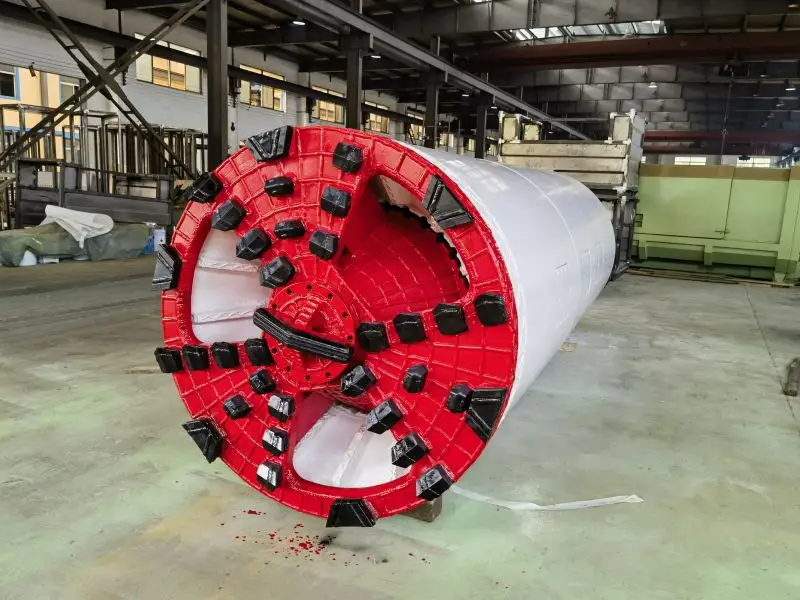
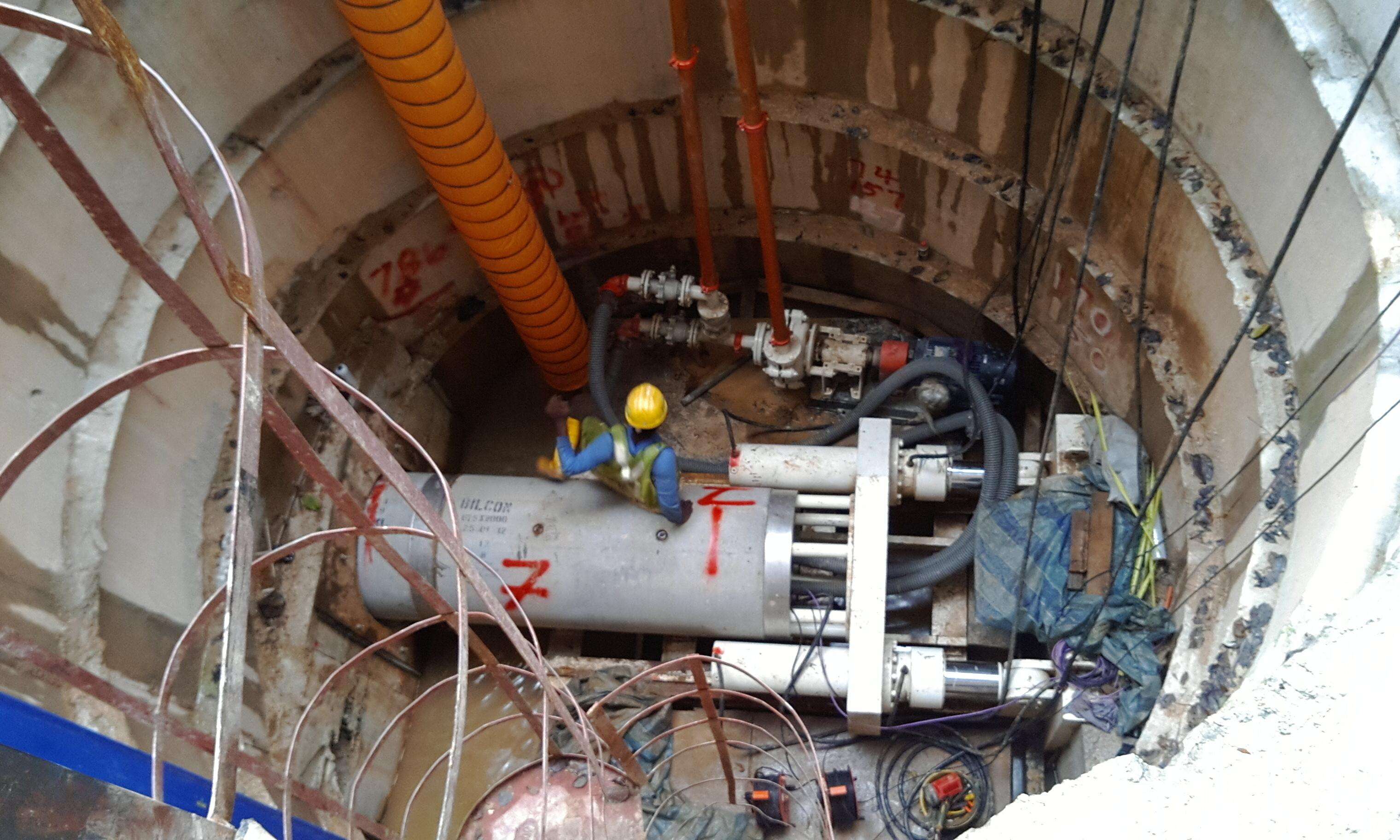
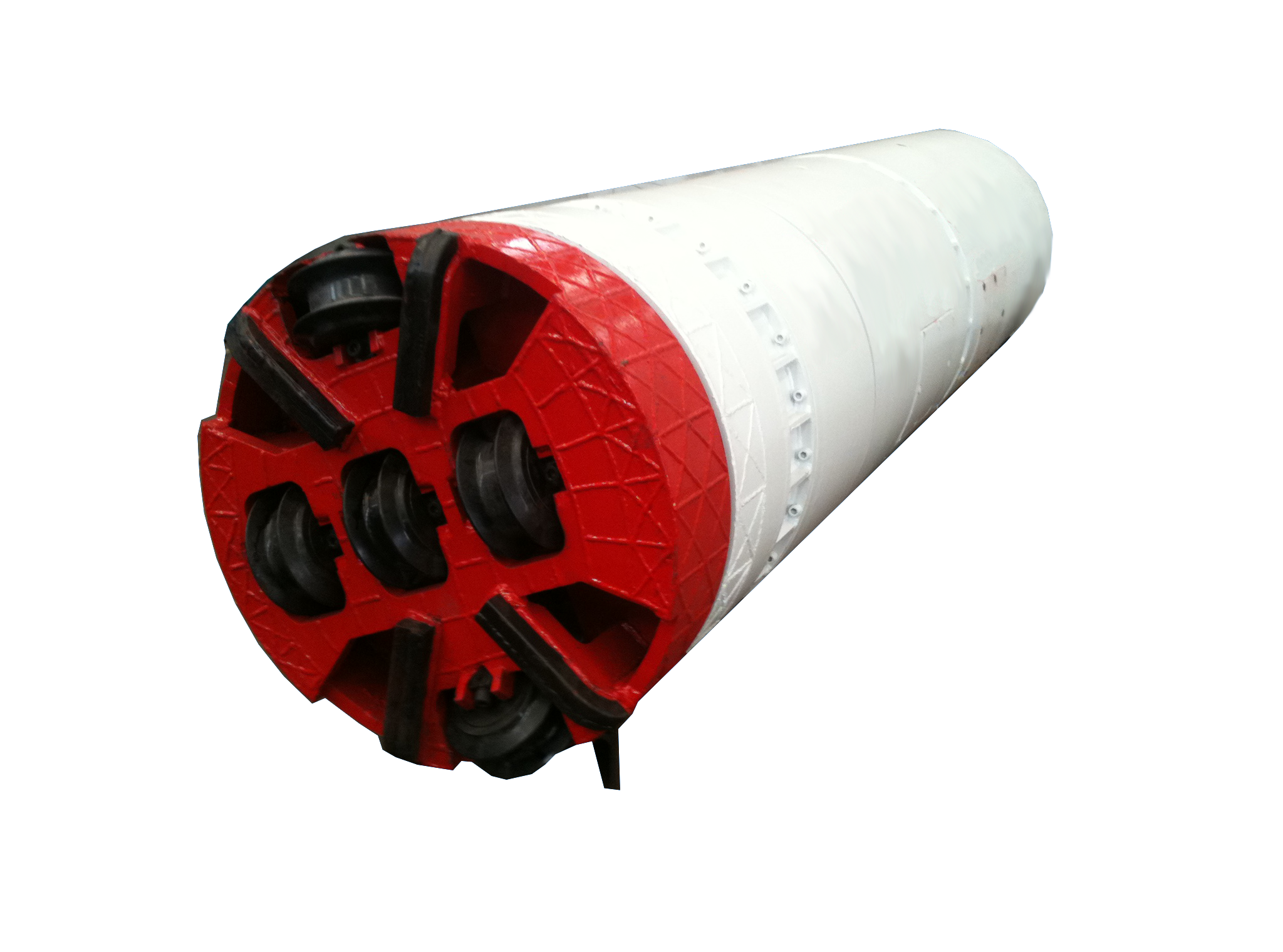
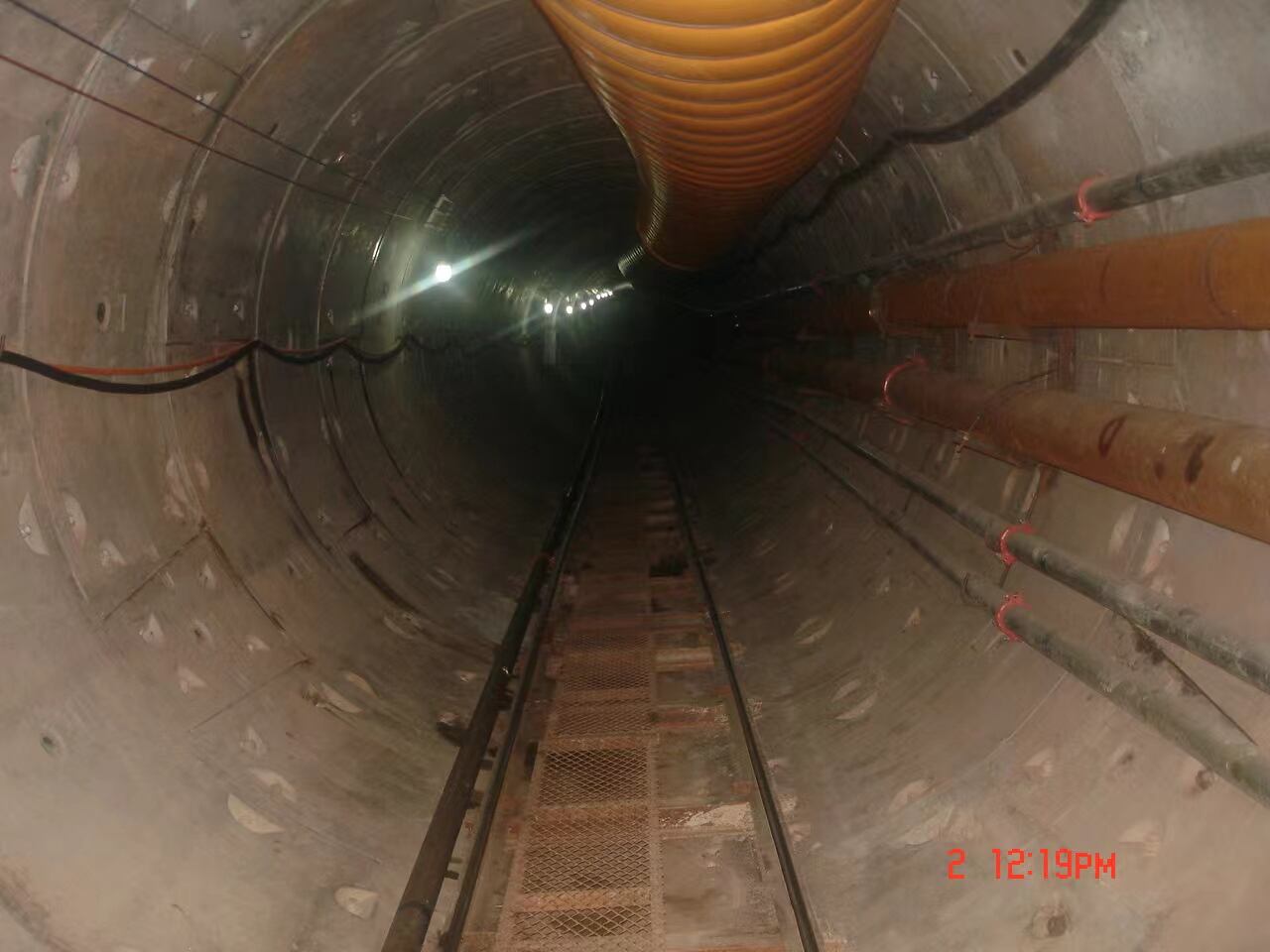
A microtunnelling machine represents a sophisticated piece of underground construction equipment designed to create precise, small-diameter tunnels with minimal surface disruption. This advanced technology combines remote-controlled operation with cutting-edge guidance systems to excavate tunnels ranging from 200mm to 4000mm in diameter. The microtunnelling machine operates through a systematic process where a powerful cutting head excavates material at the tunnel face while simultaneously installing precast concrete pipes or steel casings behind it. The machine's hydraulic jacking system provides the necessary thrust force to advance the cutting head through various soil conditions, from soft clay to hard rock formations. Modern microtunnelling machines incorporate sophisticated laser guidance technology that ensures millimeter-level accuracy throughout the entire excavation process. This precision guidance system continuously monitors the machine's position and automatically corrects any deviations from the predetermined path. The excavated material is removed through a closed-circuit system using either auger conveyors or slurry circulation, depending on the soil conditions and project requirements. The machine's modular design allows for customization based on specific project parameters, including tunnel diameter, soil conditions, and environmental constraints. Advanced microtunnelling machines feature real-time monitoring capabilities that track cutting parameters, thrust forces, and tunnel alignment continuously. The technology encompasses various specialized components including articulated steering systems, variable-speed cutting heads, and sophisticated control panels that allow operators to manage the entire excavation process remotely. These machines excel in urban environments where traditional open-cut methods would cause significant traffic disruption or damage to existing infrastructure. The microtunnelling machine's ability to work continuously in challenging conditions makes it an essential tool for modern infrastructure development projects requiring underground utility installation with minimal environmental impact.

New Product Recommendations

The microtunnelling machine delivers exceptional precision that surpasses traditional excavation methods, achieving accuracy levels within just a few millimeters over extended distances. This remarkable precision eliminates costly rework and ensures perfect alignment with existing infrastructure systems. Unlike conventional trenching operations, the microtunnelling machine operates entirely underground, preserving surface activities and maintaining normal traffic flow throughout project duration. This approach dramatically reduces project costs by eliminating expenses related to traffic management, surface restoration, and business disruption claims. The machine's closed excavation system prevents soil contamination and groundwater interference, making it environmentally superior to open excavation techniques. Project timelines benefit significantly from the microtunnelling machine's continuous operation capability, which allows work to proceed 24 hours daily regardless of weather conditions or surface constraints. The technology reduces labor requirements substantially compared to traditional methods, as remote operation eliminates the need for workers in hazardous underground environments. Safety improvements are remarkable, with the microtunnelling machine's automated systems removing human exposure to cave-in risks, toxic gases, and confined space dangers. The machine handles diverse soil conditions effectively, from soft sediments to solid rock, adapting cutting parameters automatically to maintain optimal performance. Installation quality improves dramatically because the microtunnelling machine installs pipes immediately behind the cutting head, preventing soil collapse and ensuring proper joint sealing. Utility companies benefit from reduced service interruptions since existing infrastructure remains undisturbed during tunnel construction. The machine's compact surface footprint requires minimal staging area compared to open-cut projects, making it ideal for congested urban locations. Noise pollution decreases significantly with underground operations, maintaining community relations and compliance with local noise ordinances. Long-term cost benefits include reduced maintenance requirements for installed utilities due to superior protection from surface loading and environmental factors. The microtunnelling machine's versatility accommodates various pipe materials including concrete, steel, and composite options, providing flexibility for different utility applications and project specifications.

Practical Tips

What Technologies Drive the Efficiency of No-Dig Tunnel Drills?

18

Sep

What Technologies Drive the Efficiency of No-Dig Tunnel Drills?

Advancing Underground Construction Through Modern Drilling Innovation The evolution of no-dig tunnel drills has revolutionized underground construction and infrastructure development. These sophisticated machines have transformed how we approach tunn...
View More
What Makes No-Dig Solutions Ideal for Underground Piping?

23

Sep

What Makes No-Dig Solutions Ideal for Underground Piping?

Understanding Modern Underground Pipe Installation Methods The construction and maintenance of underground infrastructure have evolved significantly over the years, with no-dig solutions emerging as a revolutionary approach to pipe installation and r...
View More
Why Is A Micro Tunneling Machine Preferred For Complex Pipelines?

16

Oct

Why Is A Micro Tunneling Machine Preferred For Complex Pipelines?

Understanding Modern Pipeline Installation Technologies In the ever-evolving world of underground construction and infrastructure development, the micro tunneling machine has emerged as a revolutionary solution for installing complex pipeline systems...
View More
How do micro pipe jacking machines achieve accurate alignment and steering during the installation process?

24

Oct

How do micro pipe jacking machines achieve accurate alignment and steering during the installation process?

The Importance of Alignment Accuracy in Micro Pipe JackingRole of Precision in Trenchless Pipeline InstallationGetting things right during trenchless installation means pipelines stay strong and don't run into other underground utilities. Take modern...
View More

Get a Free Quote

Our representative will contact you soon.
Email
Name
Company Name
Message
0/1000

microtunnelling machine

Laser-Guided Precision Navigation System

Laser-Guided Precision Navigation System

The microtunnelling machine incorporates state-of-the-art laser guidance technology that revolutionizes underground construction accuracy and reliability. This sophisticated navigation system utilizes advanced laser theodolites positioned at the entry and exit points to create an invisible reference beam that guides the machine along its predetermined path. The laser guidance system continuously monitors the cutting head's position in three-dimensional space, providing real-time feedback to the operator and automated steering mechanisms. This technology achieves unprecedented accuracy levels, maintaining alignment within 10-15 millimeters over distances exceeding 300 meters, which surpasses traditional surveying methods by significant margins. The system's prismatic target mounted on the machine's trailing section receives laser signals and transmits position data to the control room, where operators monitor progress through intuitive graphical displays. Advanced algorithms process this positioning data instantly, calculating any deviations from the planned route and automatically activating corrective steering responses. The laser guidance system compensates for various environmental factors including ground settlement, thermal expansion, and vibration effects that could affect tunnel alignment. This precision capability proves invaluable when installing utilities beneath existing infrastructure, where even minor deviations could result in costly damage or service interruptions. The system's accuracy eliminates the need for expensive course corrections or tunnel abandonment, which traditionally plagued underground construction projects. Clients benefit from guaranteed arrival points, ensuring perfect connections with existing utility networks and manholes. The laser guidance technology also enables complex curved installations that follow property boundaries or avoid underground obstacles, expanding project possibilities beyond simple straight-line installations. Real-time monitoring capabilities allow immediate adjustments during excavation, preventing cumulative errors that could compromise project success. The system documentation provides detailed records of actual tunnel alignment for future reference and maintenance planning. This advanced navigation technology significantly reduces project risks and provides clients with confidence in delivery precision that meets exact specifications every time.
Versatile Soil Adaptation Technology

Versatile Soil Adaptation Technology

The microtunnelling machine demonstrates exceptional adaptability across diverse geological conditions through its advanced soil handling and cutting systems. This remarkable versatility stems from sophisticated engineering that automatically adjusts cutting parameters, thrust forces, and spoil removal methods based on real-time soil condition feedback. The machine's adaptive cutting head features variable geometry options and interchangeable tooling systems that optimize performance whether excavating through soft clay, dense sand, fractured rock, or mixed ground conditions. Torque and rotation speed adjustments occur automatically as sensors detect changes in soil density and abrasion characteristics, maintaining optimal cutting efficiency while preventing equipment damage. The spoil removal system switches seamlessly between auger conveyance for stable soils and slurry circulation for unstable or water-bearing formations, ensuring continuous progress regardless of ground conditions. Advanced soil conditioning systems inject polymers, bentonite, or foam to stabilize the excavation face and reduce friction, particularly beneficial in cohesionless soils or high groundwater environments. The machine's pressure control systems maintain optimal face pressure to prevent ground collapse in loose soils while avoiding excessive pressure that could cause ground heave in sensitive areas. Cutting head design options include open-face configurations for stable ground, closed-face designs for unstable conditions, and specialized rock cutting heads with disc cutters for hard formations. The microtunnelling machine's ability to handle mixed ground conditions without equipment changes saves significant time and costs compared to traditional methods requiring multiple specialized machines. Clients benefit from single-source solutions for complex projects crossing varied geological formations, eliminating coordination challenges between different contractors and equipment types. The technology includes ground improvement capabilities through simultaneous grouting operations that enhance soil stability around the installed pipe, providing additional long-term benefits. Real-time geotechnical monitoring during excavation provides valuable subsurface data for future projects and helps optimize cutting parameters continuously. This adaptability reduces project risks associated with unexpected ground conditions and provides clients with reliable performance guarantees across any soil profile encountered during construction.
Remote Operation Safety Excellence

Remote Operation Safety Excellence

The microtunnelling machine establishes new safety standards through comprehensive remote operation capabilities that eliminate human exposure to underground hazards while maintaining complete operational control. This advanced safety system allows operators to manage the entire excavation process from secure surface control rooms equipped with multiple monitoring displays and intuitive control interfaces. The remote operation technology utilizes fiber optic communication systems that provide instantaneous data transmission between the machine and control center, ensuring real-time response to changing conditions without communication delays. Sophisticated sensor networks throughout the machine monitor cutting forces, hydraulic pressures, atmospheric conditions, and structural integrity continuously, alerting operators to potential safety concerns before they become critical. The system eliminates confined space entry requirements that traditionally exposed workers to cave-in risks, toxic gas accumulation, and oxygen depletion hazards common in underground construction environments. Emergency response capabilities include automatic machine shutdown systems activated by abnormal readings from safety sensors, protecting both equipment and surrounding infrastructure from damage. The microtunnelling machine's enclosed operation prevents exposure to hazardous materials that might be encountered during excavation, including contaminated soils, groundwater, or underground storage tank contents. Redundant safety systems ensure operational continuity even if primary systems fail, with backup power supplies and communication links maintaining safety monitoring capabilities. The remote control technology enables precise machine operation during challenging conditions such as high groundwater pressure or unstable soils where human presence would be extremely dangerous. Operators benefit from ergonomic control room environments with climate control, proper lighting, and comfortable seating that reduce fatigue-related errors during extended operations. The system maintains detailed safety logs documenting all operational parameters and safety events, providing valuable data for continuous improvement and regulatory compliance. Emergency evacuation procedures are simplified since no personnel work in the tunnel during normal operations, reducing rescue complexity and response times. Training requirements are reduced compared to traditional methods since operators work in safe surface environments rather than hazardous underground conditions. This safety excellence translates to lower insurance costs, reduced liability exposure, and improved worker satisfaction while maintaining the highest productivity standards for successful project completion.

Get a Free Quote

Our representative will contact you soon.
Email
Name
Company Name
Message
0/1000