Professional Microtunneling for Pipeline Installation Services - Precision Underground Construction

Contact me immediately if you encounter problems!

All Categories

Get a Free Quote

Our representative will contact you soon.
Email
Name
Company Name
Message
0/1000

microtunneling for pipeline

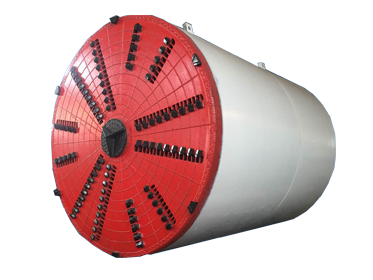
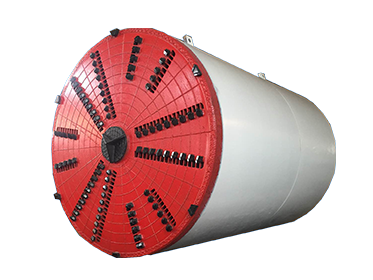
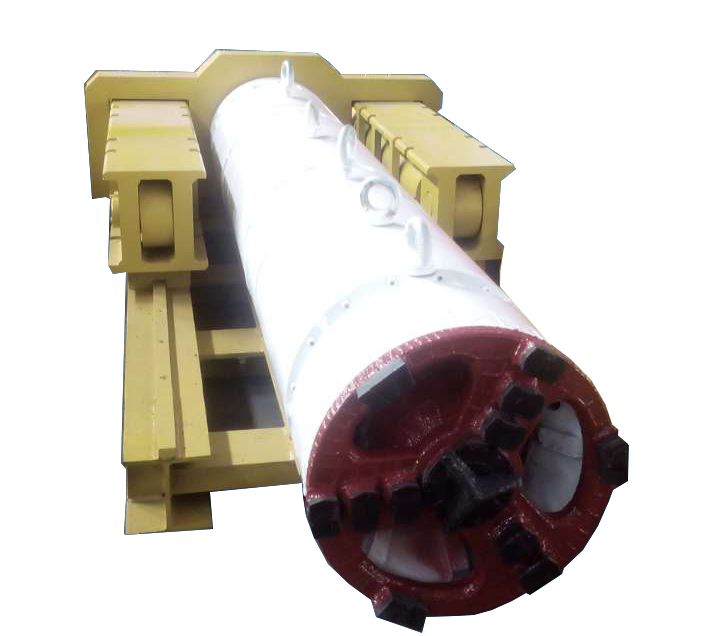
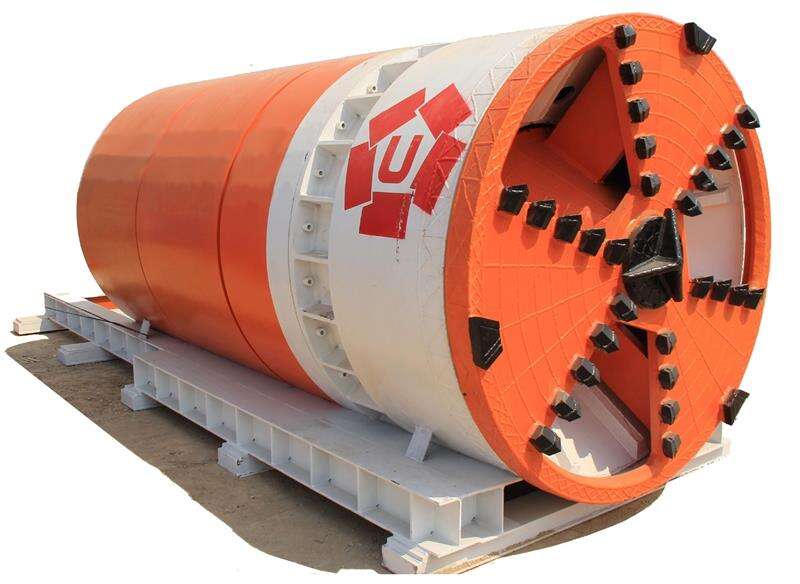
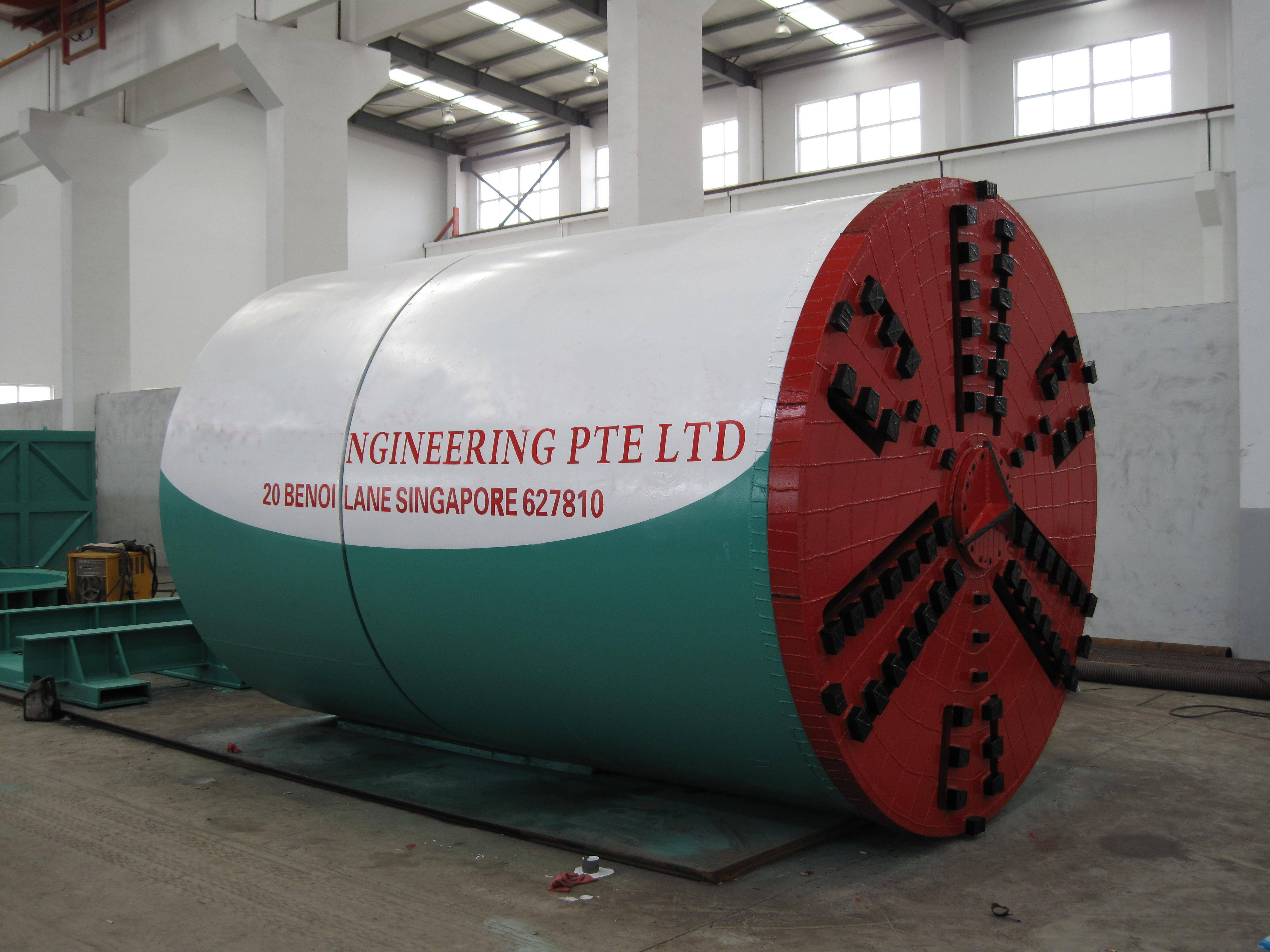
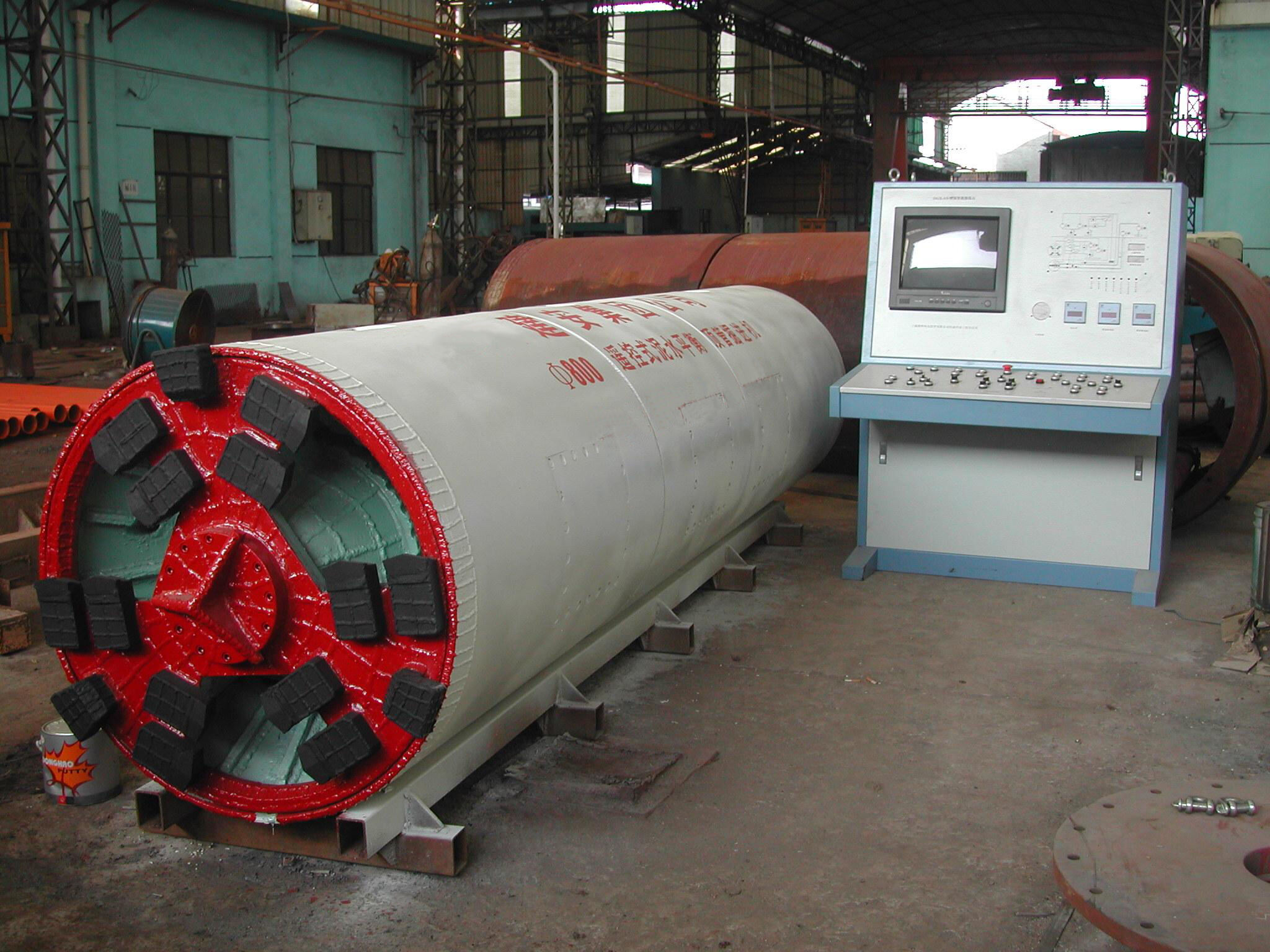
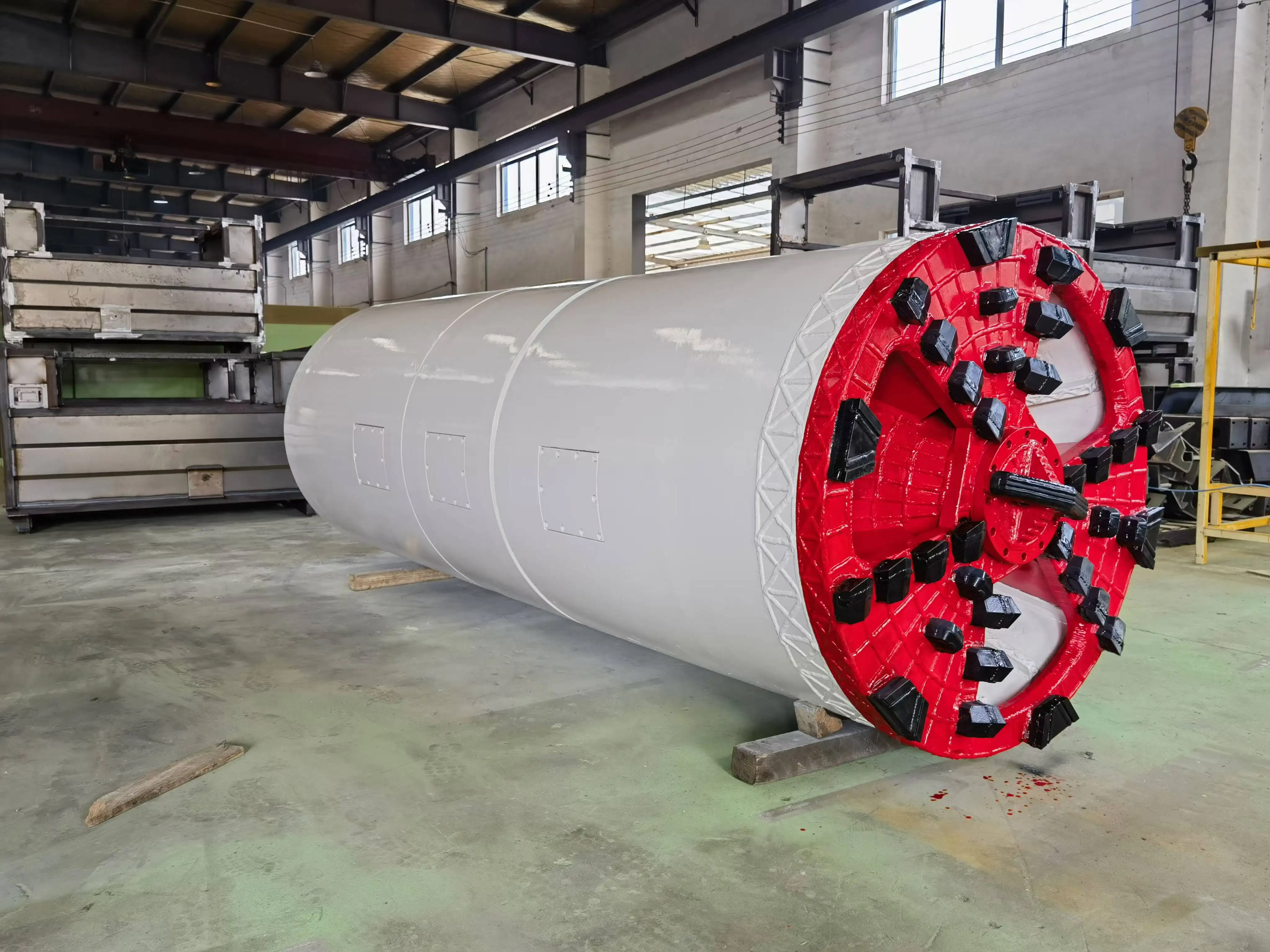
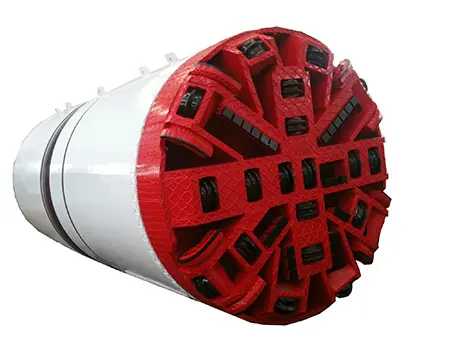
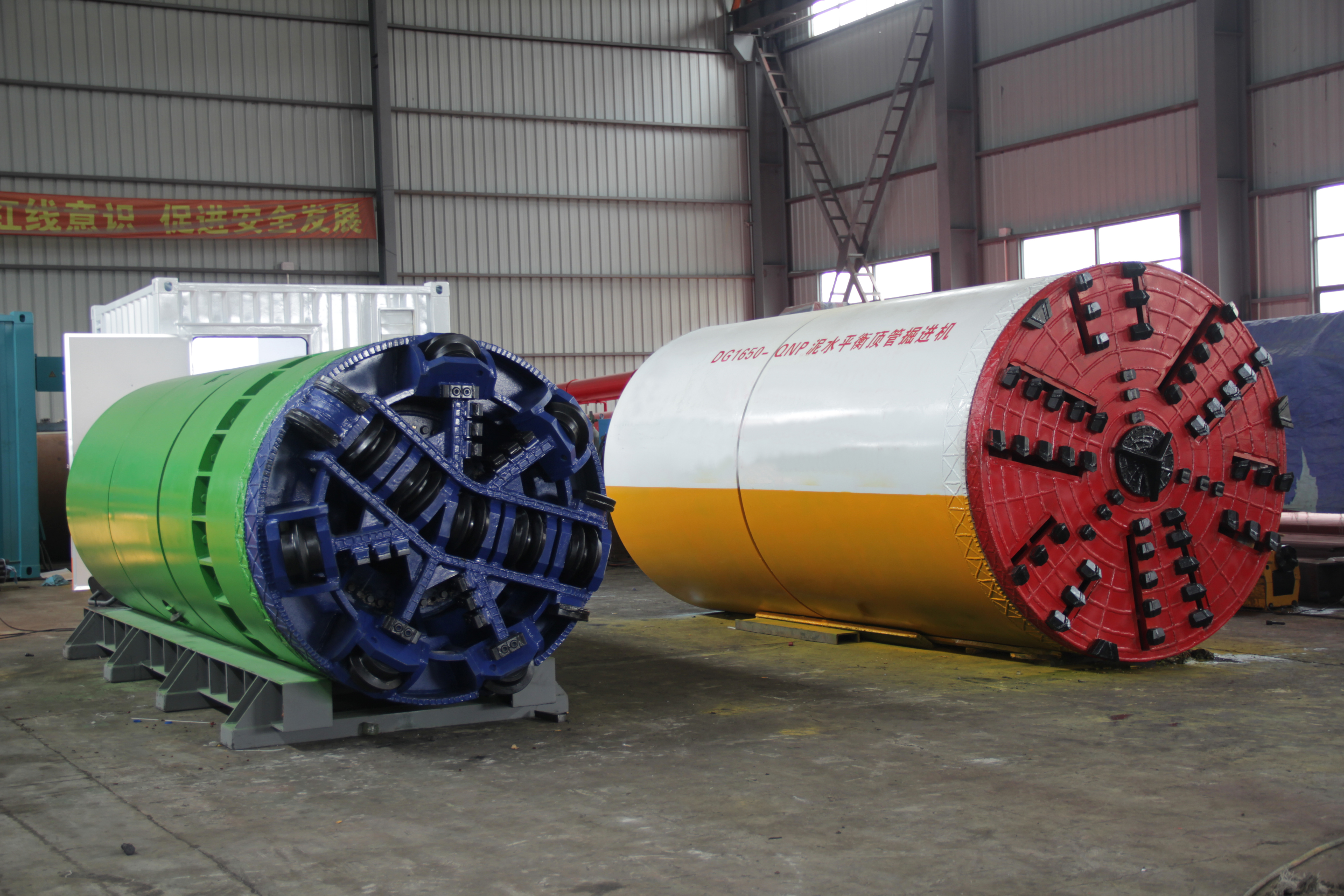
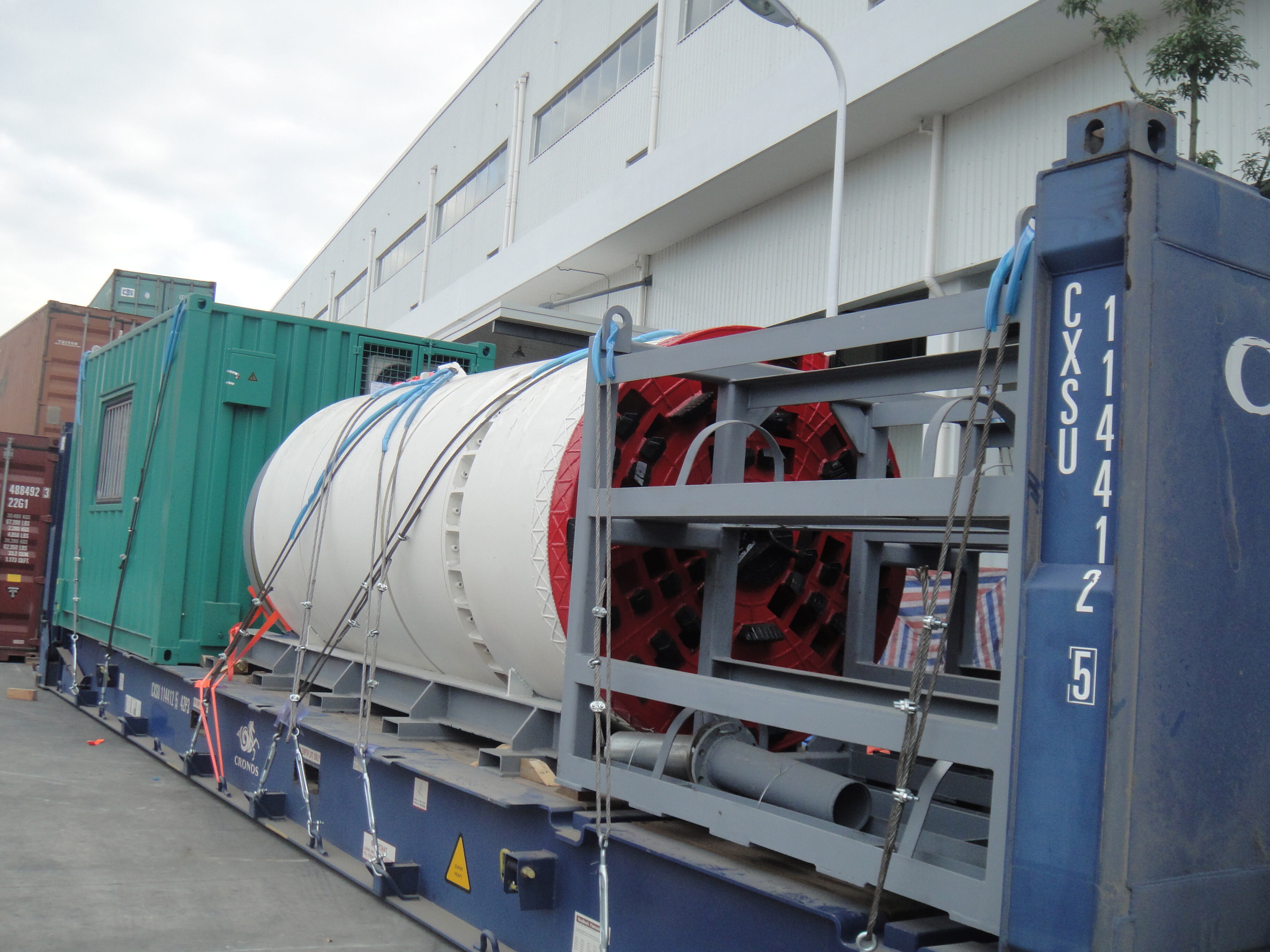
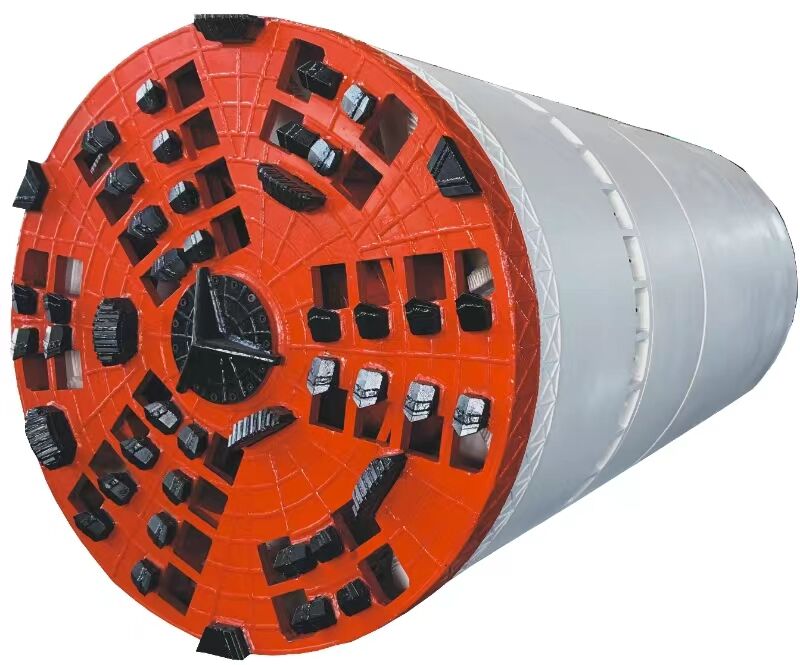
Microtunneling for pipeline represents a cutting-edge trenchless construction method that enables precise installation of pipelines beneath ground surfaces without extensive excavation. This advanced tunneling technique utilizes remotely controlled tunnel boring machines to create small-diameter tunnels ranging from 0.7 to 4 meters, making it ideal for pipeline installations in urban environments and challenging terrain. The microtunneling for pipeline system operates through a sophisticated guidance system that maintains exact line and grade throughout the boring process, ensuring millimeter-level accuracy for critical infrastructure projects. The technology combines real-time navigation controls with powerful excavation equipment to achieve precise horizontal and vertical alignment. Engineers can monitor the entire microtunneling for pipeline operation from a control cabin, adjusting parameters as needed to maintain optimal performance. The process begins with launching the tunnel boring machine from a specially constructed shaft, then systematically excavating soil while simultaneously installing pipeline segments. Spoil removal occurs through a closed-loop system that transports excavated material back to the launch shaft without surface disruption. This microtunneling for pipeline approach proves particularly valuable for installing water mains, sewer lines, gas pipelines, and telecommunications conduits beneath roads, railways, rivers, and existing structures. The method accommodates various pipe materials including steel, concrete, PVC, and composite materials, depending on project requirements. Advanced laser guidance systems ensure the microtunneling for pipeline maintains precise trajectory throughout the installation process, minimizing deviations and reducing the need for costly corrections. The technique proves especially beneficial in congested urban areas where traditional open-cut methods would cause significant traffic disruption, business interruption, and public inconvenience. Modern microtunneling for pipeline equipment incorporates sophisticated slurry systems that stabilize the tunnel face while simultaneously removing excavated material, preventing ground settlement and maintaining structural integrity of surrounding infrastructure.

New Product Releases

The microtunneling for pipeline method offers substantial cost savings compared to traditional excavation techniques by eliminating the need for extensive surface restoration, traffic management, and business disruption compensation. Property owners and municipalities benefit from reduced project timelines since microtunneling for pipeline operations can proceed continuously without weather delays that typically affect open-cut construction. This technology significantly minimizes environmental impact by preserving existing landscaping, mature trees, and surface infrastructure while reducing carbon emissions associated with heavy equipment operation and material transportation. Safety advantages of microtunneling for pipeline include reduced exposure of workers to traffic hazards, confined space risks, and unstable excavation conditions commonly encountered in traditional trenching operations. The precision capabilities of microtunneling for pipeline ensure optimal pipe positioning, eliminating future maintenance issues related to improper grade or alignment that often plague conventionally installed systems. Businesses and residents experience minimal disruption since microtunneling for pipeline work occurs entirely underground, allowing normal surface activities to continue throughout the construction period. This approach proves particularly valuable in commercial districts where business continuity directly impacts local economic activity. The microtunneling for pipeline method accommodates challenging soil conditions including rock, clay, sand, and mixed geology without requiring specialized pre-treatment or extensive dewatering operations. Quality control benefits include real-time monitoring of installation parameters, ensuring consistent pipe bedding and joint integrity throughout the entire pipeline length. Long-term performance advantages of microtunneling for pipeline installations include reduced infiltration and exfiltration due to precise joint connections and optimal pipe positioning. Municipal authorities appreciate the reduced liability exposure since microtunneling for pipeline projects minimize surface disturbance and associated property damage claims. The technology enables pipeline installation beneath sensitive areas such as wetlands, historical sites, and environmentally protected zones without surface impact. Scheduling flexibility allows microtunneling for pipeline operations to proceed during periods when surface construction would be restricted, maximizing project efficiency and resource utilization. The self-contained nature of microtunneling for pipeline equipment reduces noise pollution and dust generation, making it suitable for installation in residential neighborhoods and institutional areas where environmental considerations are paramount.

Latest News

How to Choose the Right No-Dig Tunnel Drilling Equipment?

23

Sep

How to Choose the Right No-Dig Tunnel Drilling Equipment?

Understanding Modern Trenchless Technology Solutions The evolution of underground construction has revolutionized the way we approach infrastructure development. No-dig tunnel drilling equipment represents the pinnacle of this advancement, offering e...
View More
Why Is A Micro Tunneling Machine Preferred For Complex Pipelines?

16

Oct

Why Is A Micro Tunneling Machine Preferred For Complex Pipelines?

Understanding Modern Pipeline Installation Technologies In the ever-evolving world of underground construction and infrastructure development, the micro tunneling machine has emerged as a revolutionary solution for installing complex pipeline systems...
View More
What Are the Top Applications for Micro Pipe Jacking Machines?

24

Oct

What Are the Top Applications for Micro Pipe Jacking Machines?

Urban Infrastructure Development with Micro Pipe Jacking MachinesThe Role of Trenchless Technology in Modern Urban DevelopmentTrenchless techniques such as micro pipe jacking are now pretty much a must when it comes to updating underground utilities ...
View More
Maintenance and Care Tips for Tunnel Drilling Machines

24

Oct

Maintenance and Care Tips for Tunnel Drilling Machines

Preventative Maintenance to Maximize Uptime and Reduce Costs The Role of Preventative Maintenance in Reducing Equipment Downtime Keeping tunnel drilling machines well maintained ahead of time stops expensive work stoppages because problems get fixed...
View More

Get a Free Quote

Our representative will contact you soon.
Email
Name
Company Name
Message
0/1000

microtunneling for pipeline

Advanced Precision Guidance Technology

Advanced Precision Guidance Technology

The microtunneling for pipeline system incorporates state-of-the-art laser guidance technology that delivers unprecedented accuracy in underground pipeline installation. This sophisticated positioning system utilizes multiple laser references and gyroscopic sensors to maintain precise horizontal and vertical alignment throughout the entire boring process, typically achieving accuracy within plus or minus 25 millimeters over distances exceeding 300 meters. The guidance system continuously monitors the tunnel boring machine's position relative to predetermined design parameters, automatically adjusting cutting head direction and thrust forces to maintain optimal trajectory. Real-time data transmission allows operators to monitor progress and make immediate corrections, preventing costly overruns and rework scenarios commonly associated with traditional installation methods. The microtunneling for pipeline guidance system compensates for ground conditions, equipment wear, and external forces that might otherwise cause deviation from the planned route. This technology proves particularly valuable when installing pipelines beneath existing utilities, structures, or sensitive environmental areas where precise clearance requirements must be maintained. The system's ability to navigate complex routes with multiple curves and elevation changes makes microtunneling for pipeline installations possible in previously inaccessible locations. Quality assurance benefits include comprehensive documentation of actual versus planned alignment, providing permanent records for future maintenance and expansion planning. The precision capabilities enable installation of larger diameter pipes in smaller tunnels, maximizing hydraulic capacity while minimizing excavation requirements. Advanced software integration allows real-time comparison of actual performance against design specifications, triggering alerts when parameters exceed acceptable tolerances. This microtunneling for pipeline guidance technology eliminates guesswork and reduces dependency on operator experience, ensuring consistent results across different project conditions and crew capabilities. The system's redundant sensors and backup navigation methods provide reliability insurance, preventing project delays due to equipment malfunctions or environmental interference.
Environmentally Sustainable Construction Method

Environmentally Sustainable Construction Method

Microtunneling for pipeline installations represents the most environmentally responsible approach to underground utility construction, significantly reducing ecological impact while preserving surface environments and community aesthetics. This trenchless technology eliminates the need for extensive excavation, protecting existing vegetation, mature landscaping, and established ecosystems that would otherwise be destroyed through conventional construction methods. The closed-loop spoil removal system prevents soil contamination and groundwater disruption while minimizing dust and noise pollution that typically accompanies traditional pipeline installation projects. Environmental benefits of microtunneling for pipeline extend to reduced carbon footprint through decreased heavy equipment operation, shorter project durations, and elimination of material transportation associated with surface restoration activities. The technology enables pipeline installation through environmentally sensitive areas including wetlands, wildlife corridors, and protected habitats without surface disturbance or habitat fragmentation. Stormwater management systems remain intact during microtunneling for pipeline operations, preventing erosion and sediment control issues common in open-cut construction projects. The method preserves soil structure and prevents compaction damage that often requires years for natural recovery in conventionally disturbed areas. Urban heat island effects are minimized since microtunneling for pipeline preserves existing tree canopy and green spaces that provide natural cooling and air purification benefits. Groundwater protection advantages include minimal dewatering requirements and elimination of open excavations that can introduce contaminants or alter natural drainage patterns. The microtunneling for pipeline approach supports sustainable development goals by enabling infrastructure expansion without compromising existing environmental assets or community green spaces. Biodiversity preservation occurs naturally since surface habitats remain undisturbed throughout the construction process, maintaining ecological corridors and wildlife movement patterns. Long-term environmental benefits include reduced maintenance requirements due to precise installation techniques that minimize future repair needs and associated environmental disruption. The technology aligns with green building standards and environmental certification programs that recognize sustainable construction practices and minimal ecological impact methodologies.
Superior Structural Integrity and Longevity

Superior Structural Integrity and Longevity

The microtunneling for pipeline installation method delivers superior structural performance and extended service life through precise pipe positioning, optimal bedding conditions, and elimination of installation-related stress factors that commonly affect conventionally installed systems. The controlled environment within the tunnel boring machine ensures consistent pipe joint connections and uniform support conditions that maximize long-term pipeline performance and minimize maintenance requirements. Structural advantages of microtunneling for pipeline include elimination of differential settlement issues since pipes are installed in competent soil conditions at predetermined depths with engineered support systems. The continuous installation process prevents joint misalignment and reduces infiltration points that typically develop in pipelines installed through traditional trenching methods with variable backfill conditions. Quality control measures inherent in microtunneling for pipeline operations include real-time monitoring of pipe position, joint integrity, and surrounding soil conditions throughout the installation process. The method accommodates various pipe materials and diameters while maintaining optimal performance characteristics for each specific application and service requirement. Structural benefits extend to reduced pipe stress since microtunneling for pipeline eliminates uneven loading conditions and provides uniform support along the entire pipeline length. The technology prevents construction-related damage from heavy equipment, improper handling, and adverse weather conditions that often compromise pipeline integrity in conventional installations. Long-term performance advantages include reduced maintenance costs, extended service life, and improved hydraulic efficiency due to proper pipe alignment and grade consistency. The microtunneling for pipeline method enables installation of pipes with factory-applied coatings and linings that might be damaged during conventional installation procedures. Structural monitoring capabilities during installation provide documentation of as-built conditions, facilitating future maintenance planning and system expansion considerations. The controlled installation environment prevents contamination of pipe interiors and joint sealing systems, ensuring optimal initial performance and long-term reliability. Corrosion protection benefits occur through minimal handling and optimal soil conditions that reduce aggressive environmental exposure during the installation process.

Get a Free Quote

Our representative will contact you soon.
Email
Name
Company Name
Message
0/1000