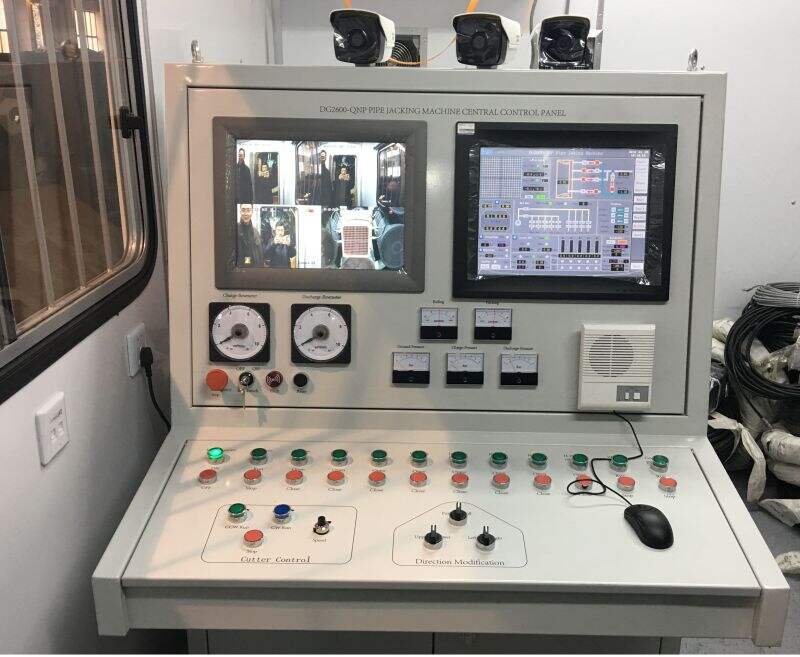
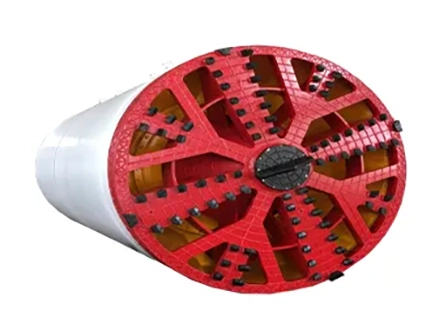
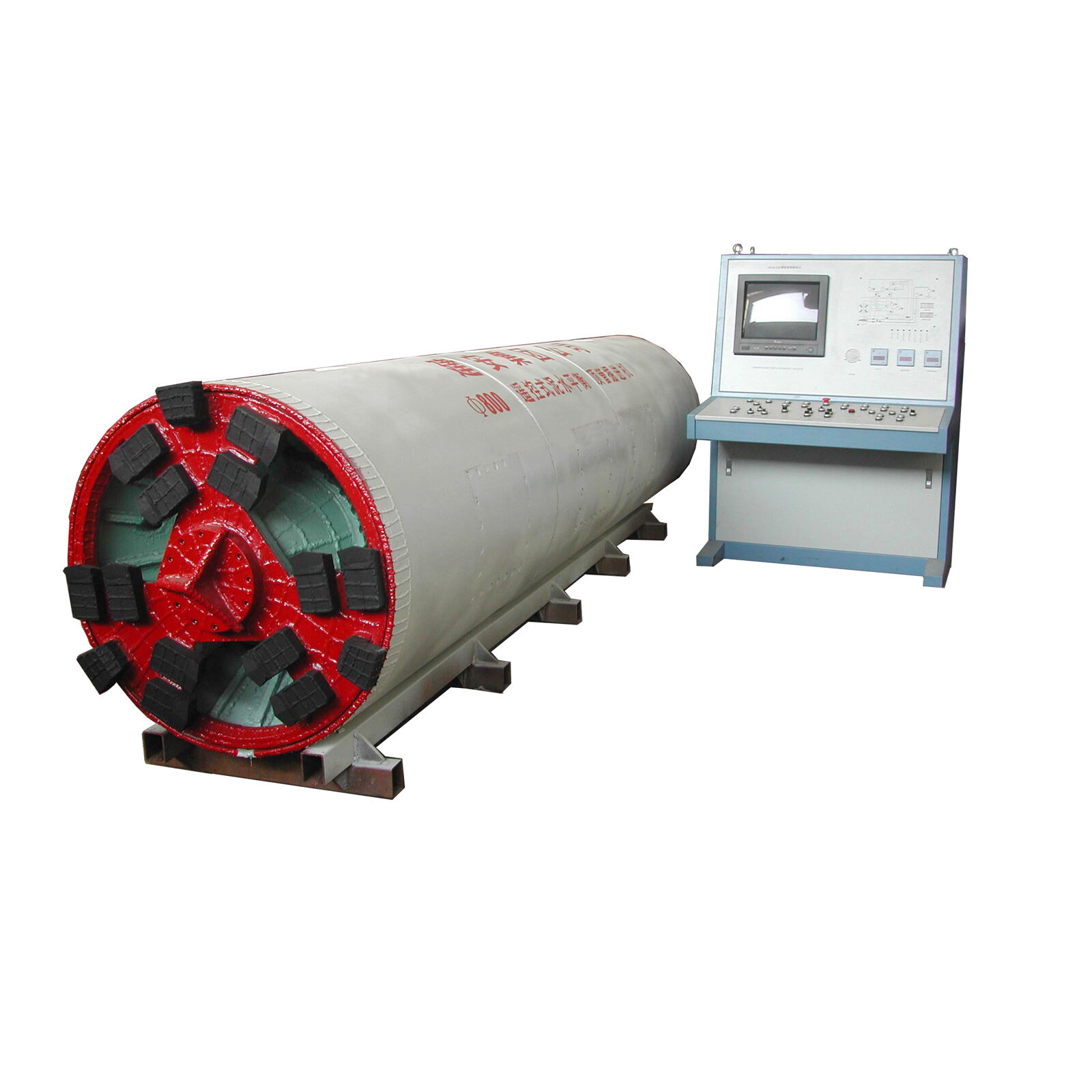
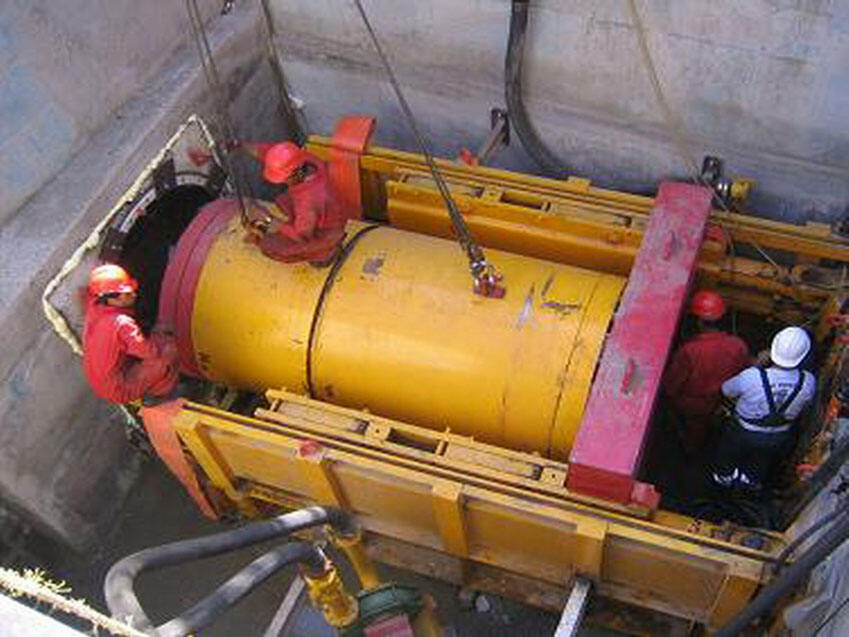
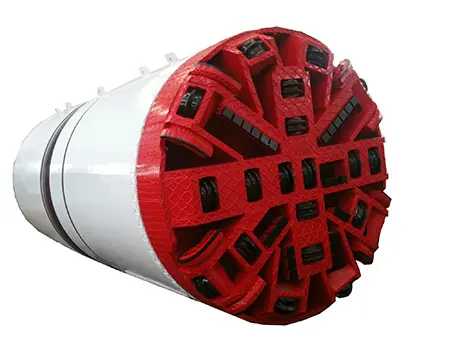
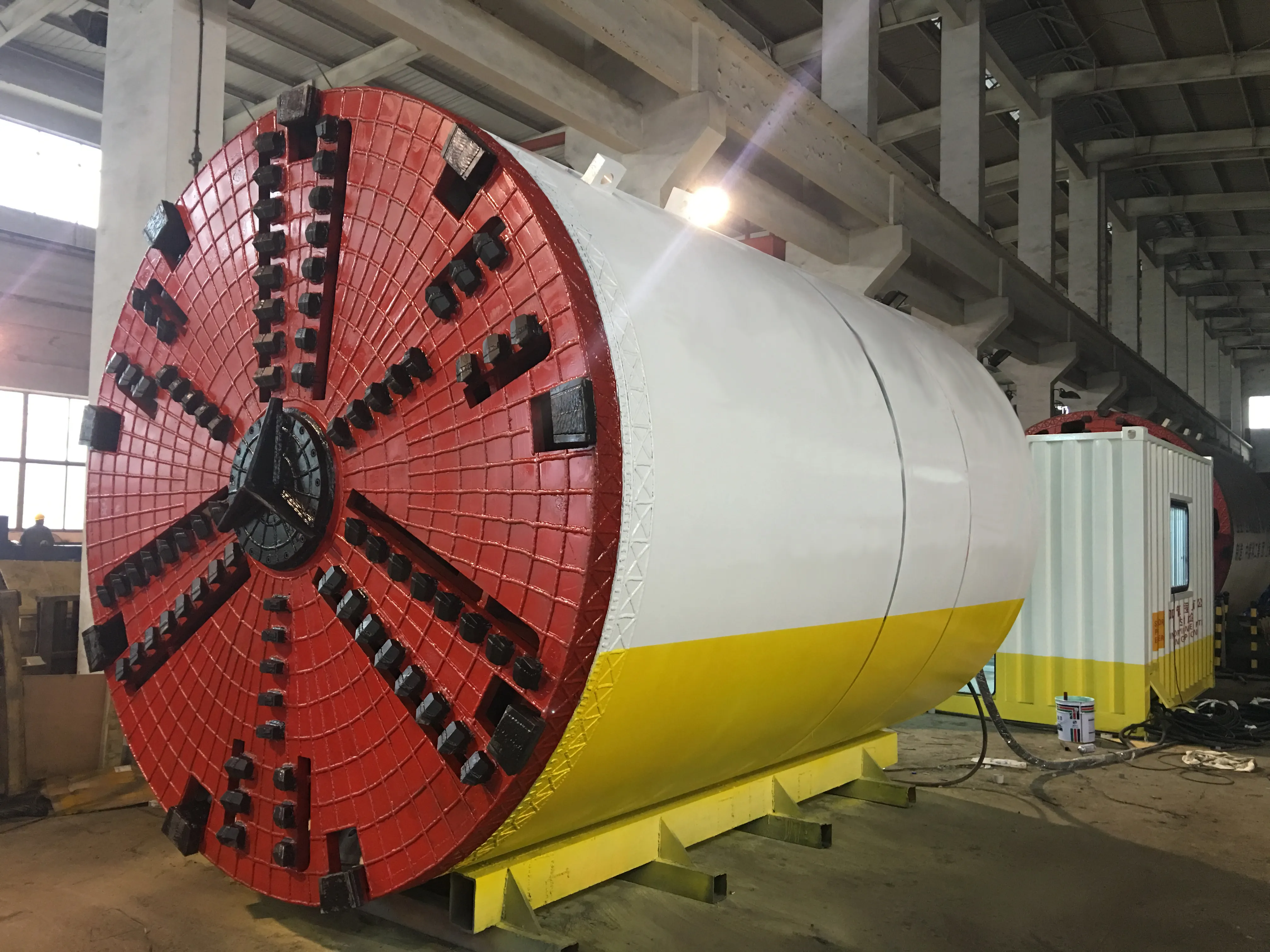
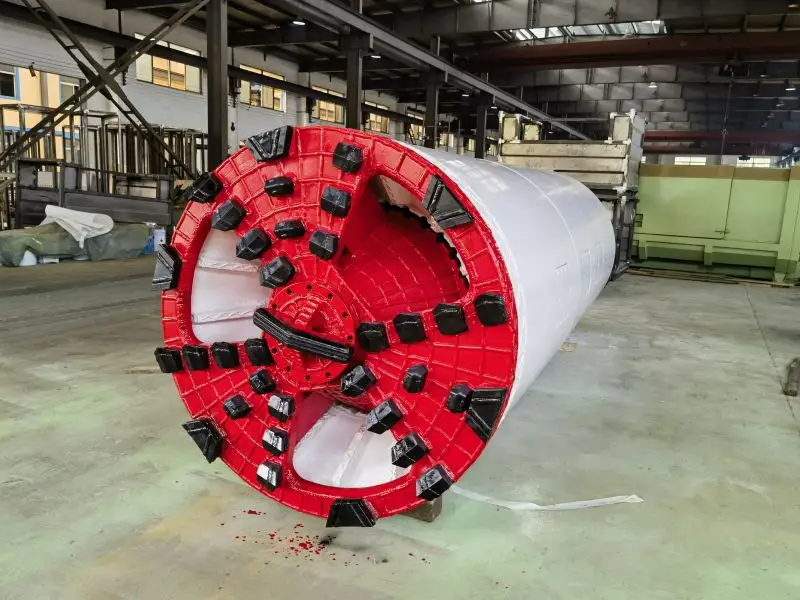
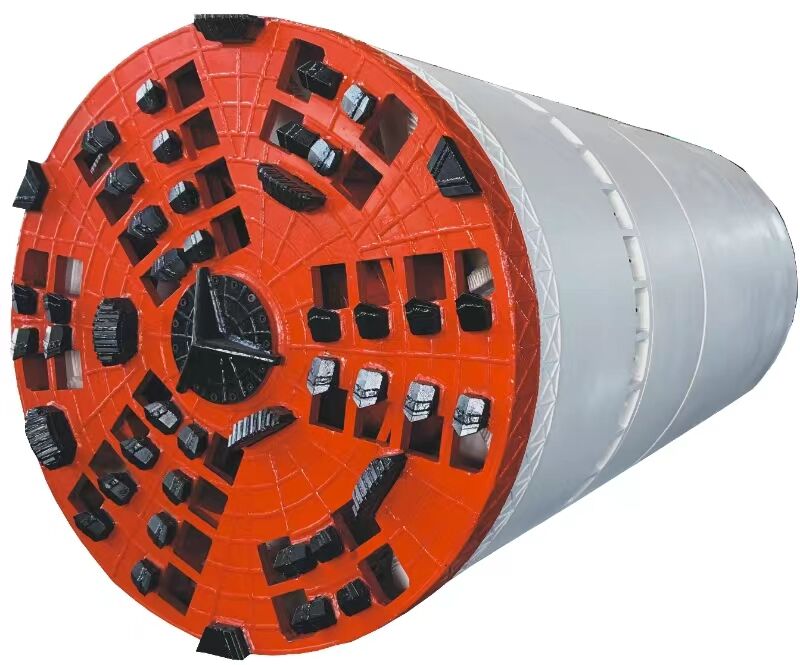
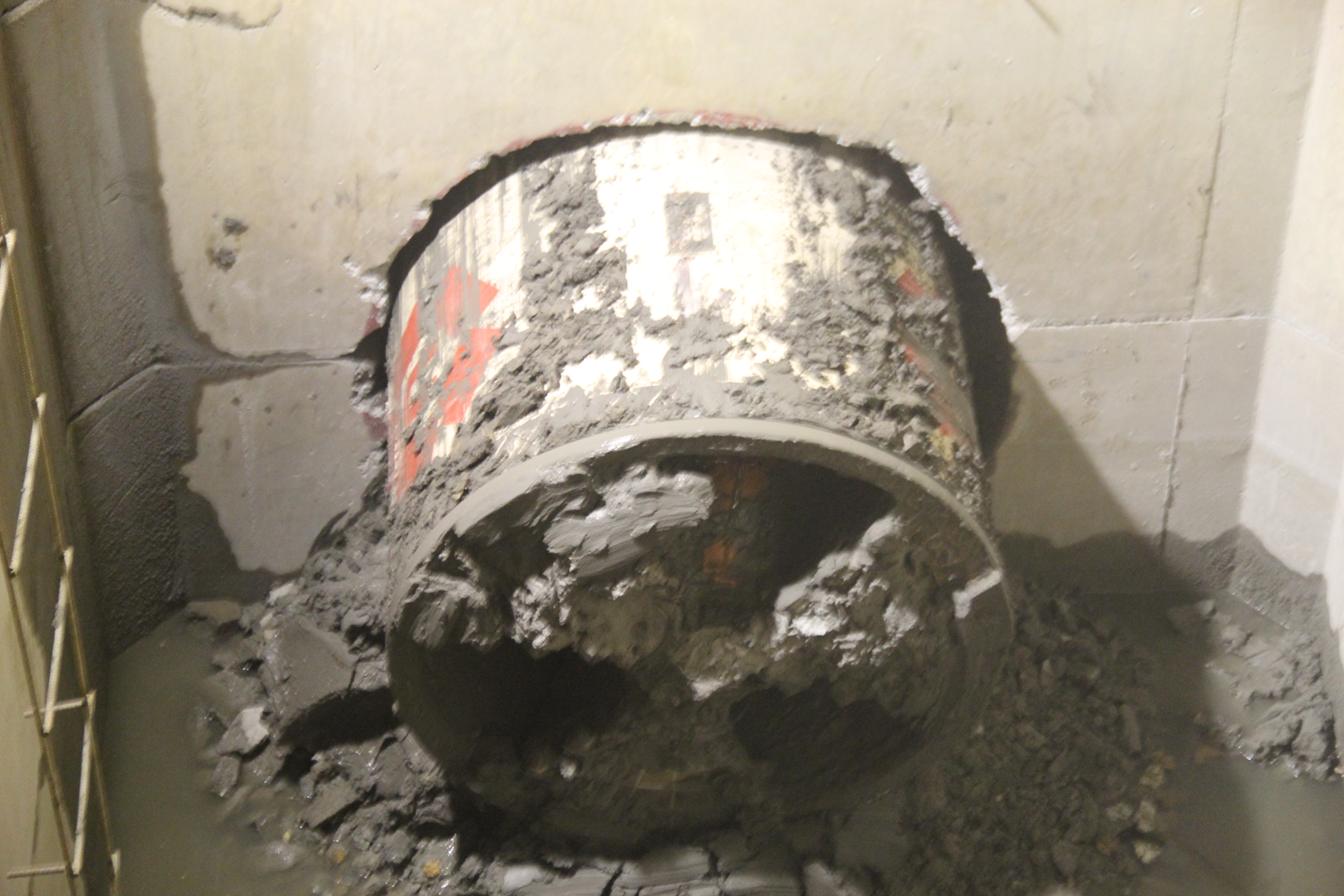
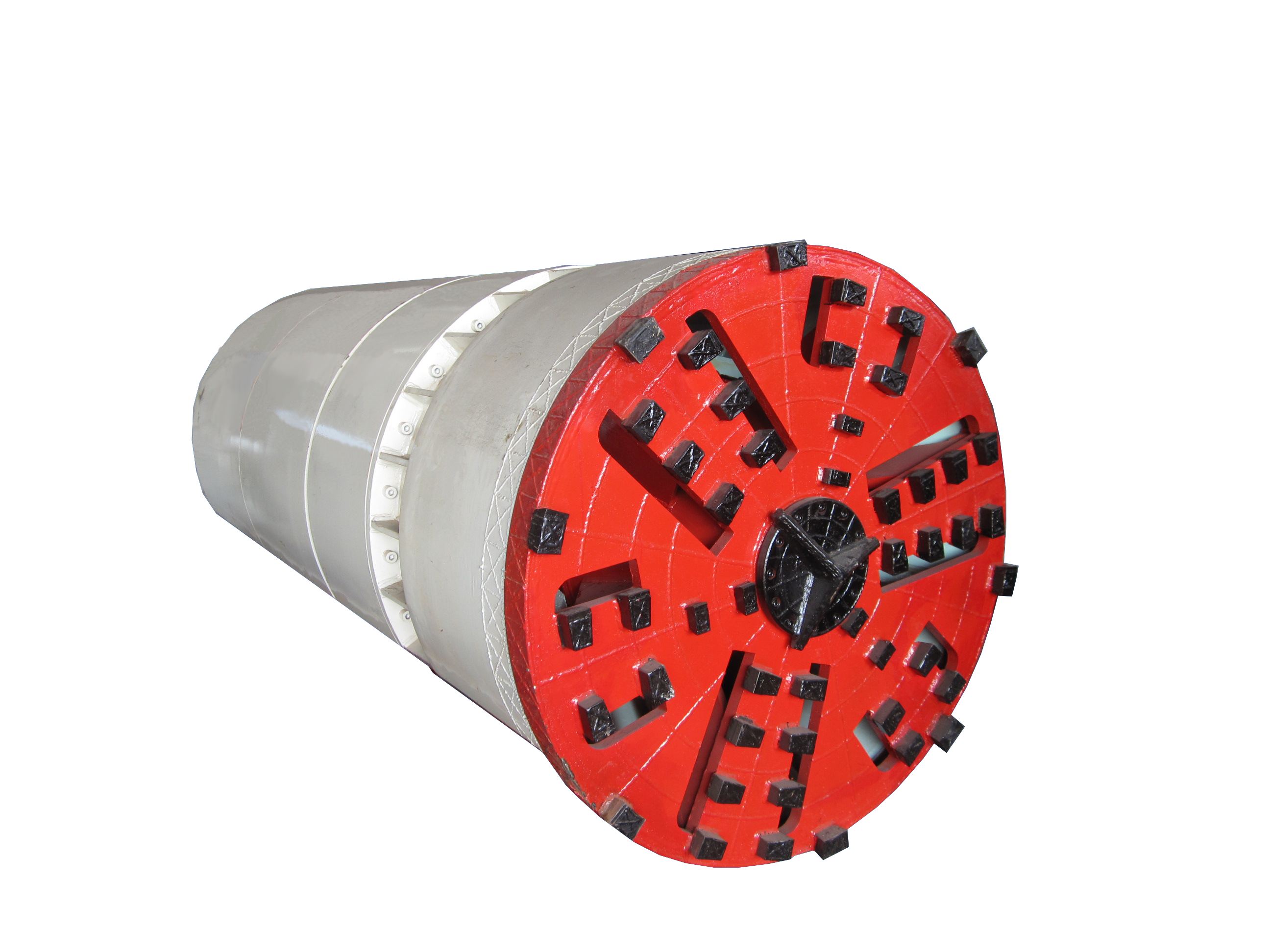
Төсөлд хамгийн тохиромжтой үр дүнд хүрэхийн тулд хувийн хэмжээсүүлж болох
Туннелийн бутлуурын машинны хэмжээний хэмжээг тохируулж чаддаг хэмжээ нь тохируулалтгүй уян хатан байдлыг хангаж, гүйцэтгэгчдэд тоног төхөөрөмжийн сонгон шалгаруулалтыг тодорхой төсөл шаардлагуудад тохируулах, үр ашгийг нэмэгдүүлэх, үйл ажиллагааны зардлыг багасгах боломжийг Энэхүү дасан зохицох чадвар нь олон төрлийн тоног төхөөрөмж, янз бүрийн төсөл тодорхойлолтуудад зориулан гарын авлагаар дасан зохицох шаардлагатай уламжлалт хайгуулын арга барилд хамаагүй илүү дэвшилтэй байна. Туннелийн бутлуурын машинны хэмжээг багтаасан модулийн дизайны философи нь үйлдвэрлэгчдэд төслийн шаардлагыг яг нийцүүлэн нарийн диаметрийн тодорхойлолт, урт тохируулга, бүрэлдэхүүн хэсгүүдийн сонголтыг хангасан тоног төхөөрөмжийг тохируулах боломжийг олгодог Энэхүү тохируулалт нь хэрэгцээт бус нөөц хэрэглэдэг хэт том тоног төхөөрөмжүүд болон төслийн шаардлагыг үр дүнтэй хангаж чадахгүй бага хэмжээний тоног төхөөрөмжүүдтэй холбоотой үр ашиггүй байдлыг арилгадаг. Диаметрийн тохируулгын хувилбарууд нь компакт хэрэглээний тоног төхөөрөмжээс эхлэн тээврийн том туннель хүртэл өргөн хүрээг хамарч, төсөл бүр нь хэмжээ, хэрэглээг үл харгалзан туннель суурьшлын машинны хамгийн оновчтой хэмжээг ашиг Инженер баг нь геологийн нөхцөл байдал, хөрсний бүрэлдэхүүн, газрын доорх усны түвшин, гадаргууны хязгаарлалтыг шинжилж, тус бүрийн хэрэглээний хувьд хамгийн тохиромжтой хэмжээний тодорхойлолтыг тодорхойлохын тулд төслийн төлөвлөхүүдтэй нягт хамтран ажилладаг. Энэхүү хамтын ажиллагааны арга нь гүүрийн бутлуурын машинны хэмжээг төслийн параметр, геологийн сорилт, үйл ажиллагааны шаардлагуудтай төгс нийцүүлэхийг баталгаажуулдаг. Буцалтгүй системийн хэмжээг тохируулалтын үеэр ижил хэмжээний анхаарал хандуулдаг бөгөөд конвейерын урт, сегментний арилжааны хүчин чадал, материалын арилгах систем нь олборлолтын хурд, төслийн логистикийг нийцүүлэн хэмжээтэй байдаг. Энэхүү өргөн хүрээний хэмжээний оновчтой байдал нь саад бэрхшээлийг арилгаж, өрөмдлөгийн үйл ажиллагааны турш тогтвортой хөгжлийг хадгалдаг. Эрчим хүчний системийн хэмжээг анхааралтай тооцож, хүлээгдэж буй ачааллыг зохистой хэмжээгээр хангах, харин ашиглалтын зардлыг зайлшгүй нэмэх хэмжээг хэтрүүлэхгүй байх боломжийг бүрдүүлж байна. Гидравлик системийн хэмжээг төслийн нөхцөл байдал, машины хэмжээг тодорхойлсон хөдөлгөөнт хүч, удирдах хүч, сегментийн суурилуулалтын ачааллын шаардлагад тохируулан тохируулна. Туналь бутлах машин нь өөрчлөх боломжтой тул төсөлд зориулсан тоног төхөөрөмж нь төсөлд тавигдах шаардлагыг бүрэн хангасан байх ёстой. Энэхүү оновчтой байдал нь бүтээмжийг сайжруулах, үйл ажиллагааны зардлыг бууруулах, аюулгүй байдлыг сайжруулах, төслийн үр дүнг сайжруулах зэрэг үйлчлүүлэгчдийн хүлээлтээс давж, барилгын компаниудын ашигтай үйл ажиллагааг хадгалах болно.

 EN
EN
 AR
AR BG
BG HR
HR CS
CS FR
FR DE
DE EL
EL HI
HI IT
IT JA
JA KO
KO RO
RO RU
RU ES
ES TL
TL ID
ID LT
LT SK
SK SL
SL UK
UK VI
VI ET
ET TH
TH TR
TR FA
FA AF
AF MS
MS HY
HY AZ
AZ KA
KA BN
BN LO
LO LA
LA MN
MN NE
NE MY
MY KK
KK UZ
UZ KY
KY