small tunnel machine
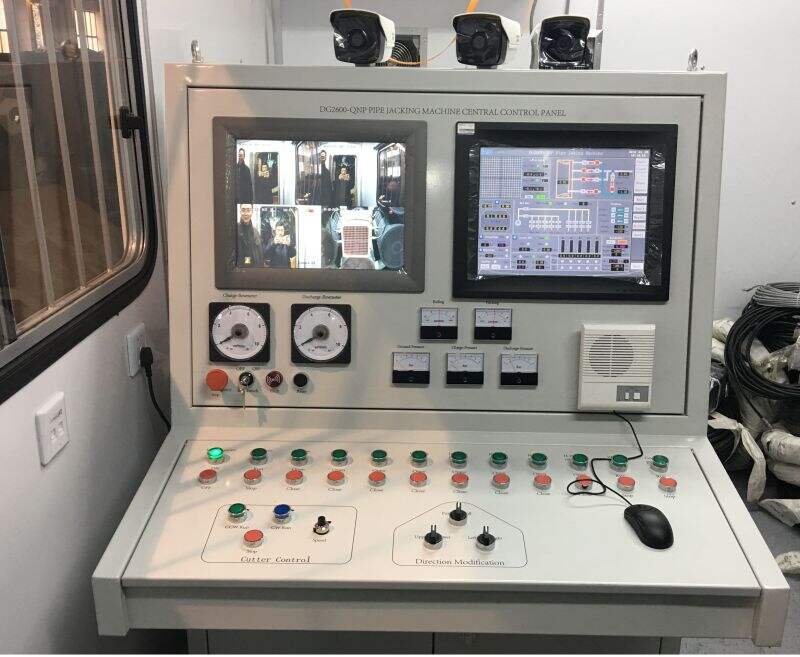
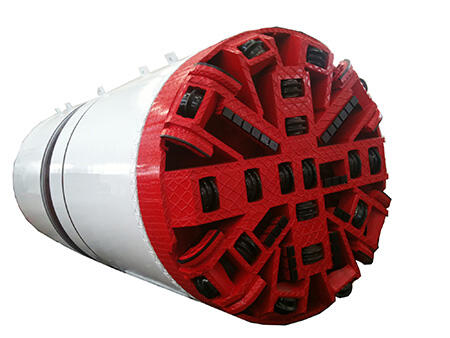
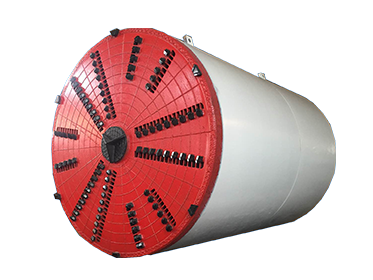
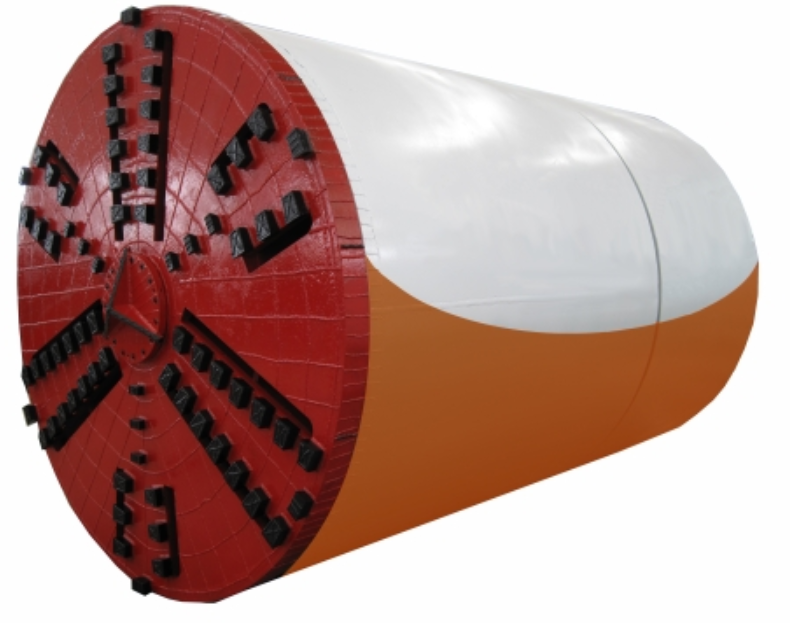
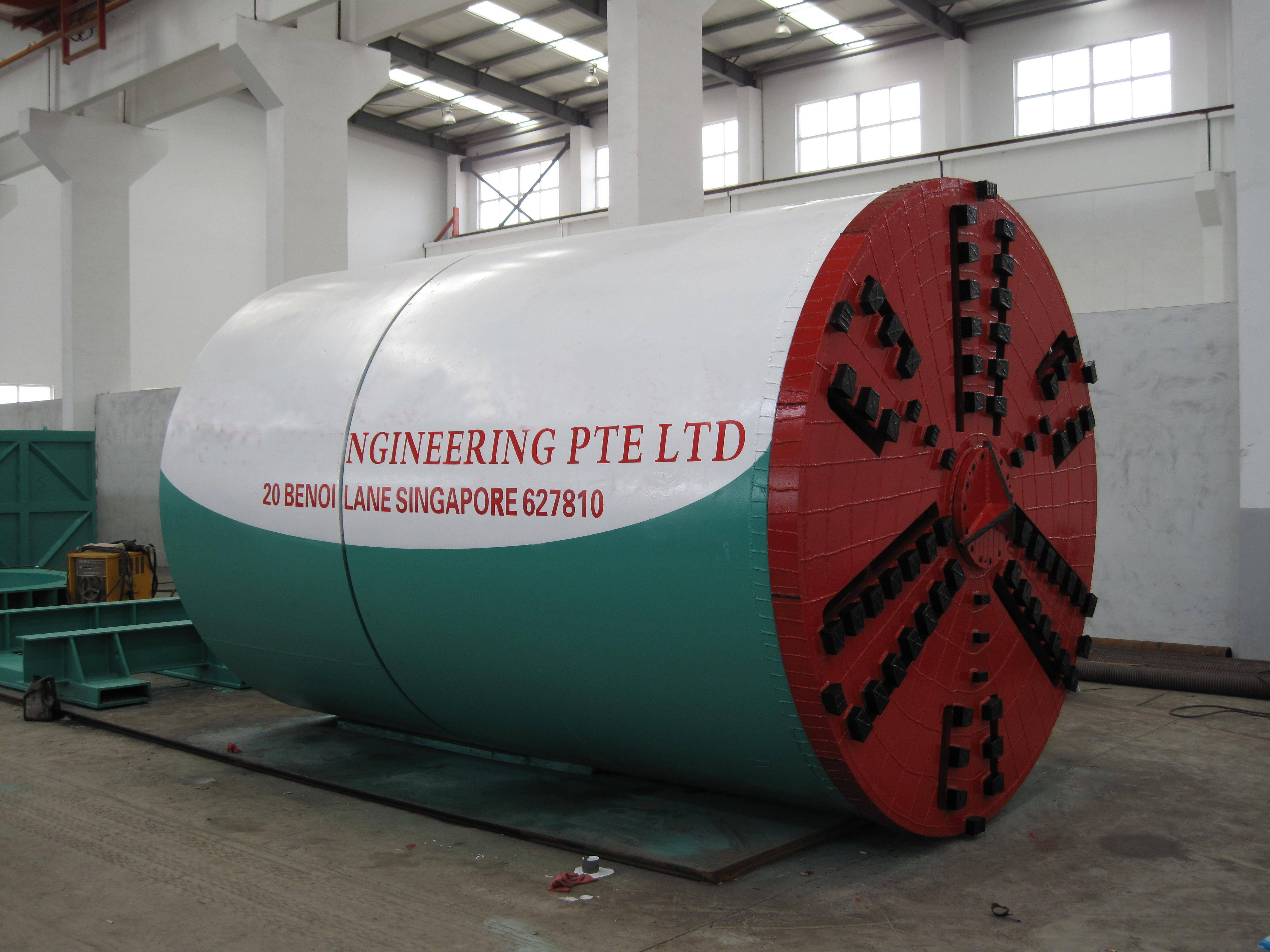
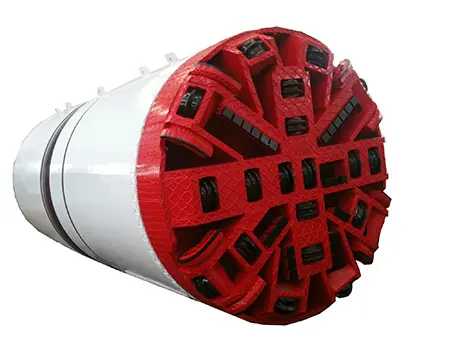
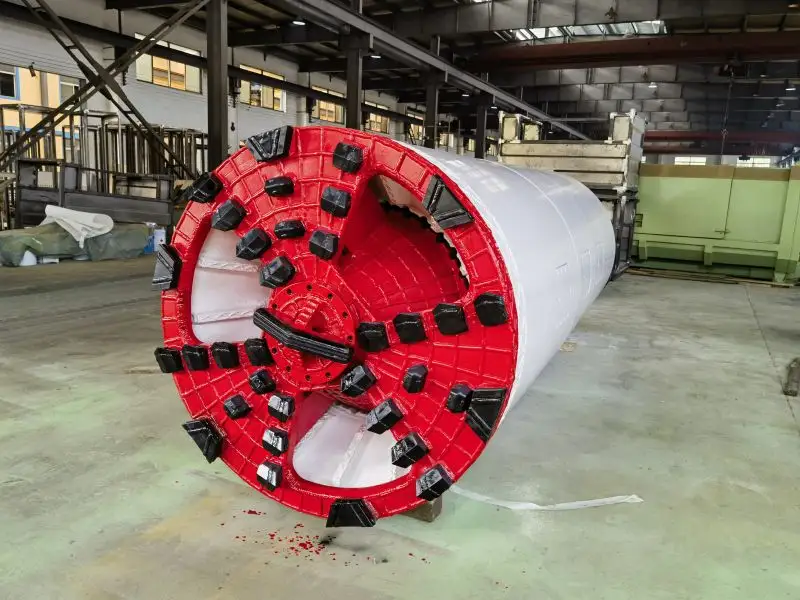
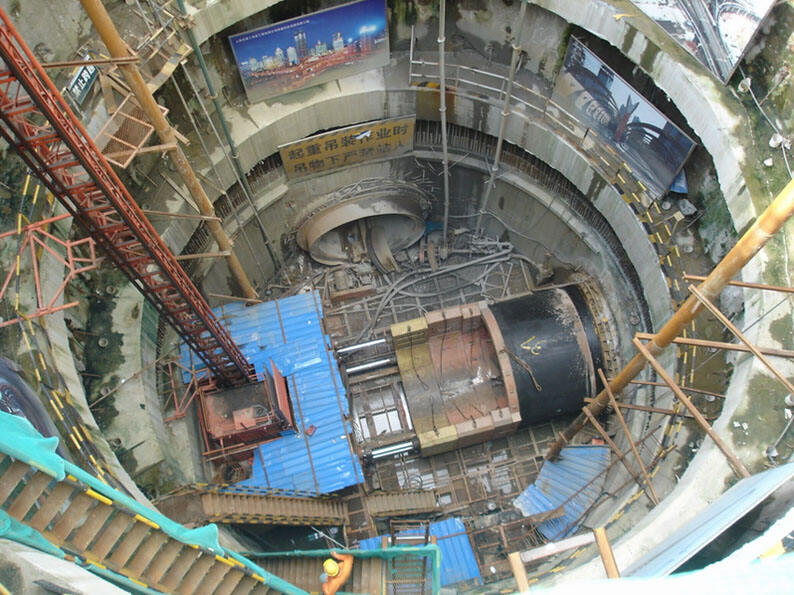
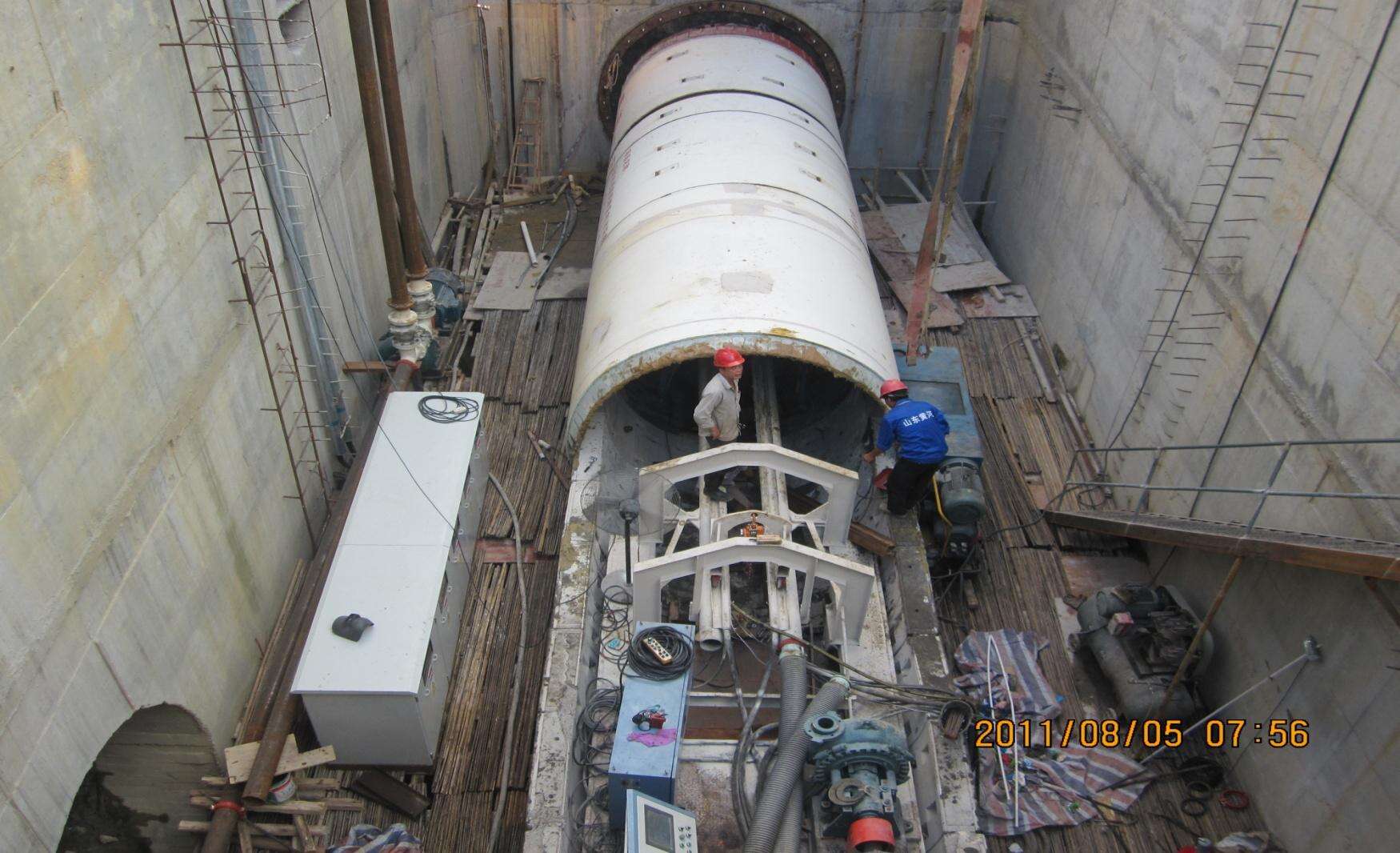
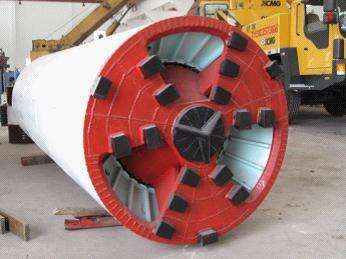
The small tunnel machine represents a revolutionary advancement in underground construction technology, specifically designed to handle compact and mid-scale tunneling projects with exceptional precision and efficiency. These sophisticated pieces of equipment are engineered to excavate tunnels ranging from 2 to 6 meters in diameter, making them ideal for urban infrastructure development, utility installations, and specialized underground passages. The small tunnel machine operates through advanced mechanical cutting systems that can adapt to various soil conditions, from soft clay to moderately hard rock formations. Its primary functions include automated excavation, real-time soil conditioning, continuous material removal, and simultaneous tunnel lining installation. The technological framework incorporates GPS-guided navigation systems, ensuring accurate tunnel alignment and grade control throughout the entire boring process. Modern small tunnel machines feature sophisticated hydraulic systems that provide consistent cutting pressure and torque control, enabling operators to maintain optimal performance across different geological conditions. The equipment integrates advanced monitoring systems that track cutting head performance, soil pressure, and structural integrity in real-time. These machines utilize modular design principles, allowing for quick assembly and disassembly on construction sites with limited space constraints. The small tunnel machine employs environmentally conscious technologies, including dust suppression systems and noise reduction features that minimize impact on surrounding communities. Applications span across multiple sectors including water and wastewater management, telecommunications infrastructure, transportation networks, and underground parking facilities. The versatility of these machines makes them particularly valuable for projects requiring minimal surface disruption, such as urban renewal initiatives and heritage site preservation efforts. Their compact footprint enables deployment in densely populated areas where larger tunnel boring machines would be impractical or impossible to operate effectively.

 EN
EN
 AR
AR BG
BG HR
HR CS
CS FR
FR DE
DE EL
EL HI
HI IT
IT JA
JA KO
KO RO
RO RU
RU ES
ES TL
TL ID
ID LT
LT SK
SK SL
SL UK
UK VI
VI ET
ET TH
TH TR
TR FA
FA AF
AF MS
MS HY
HY AZ
AZ KA
KA BN
BN LO
LO LA
LA MN
MN NE
NE MY
MY KK
KK UZ
UZ KY
KY