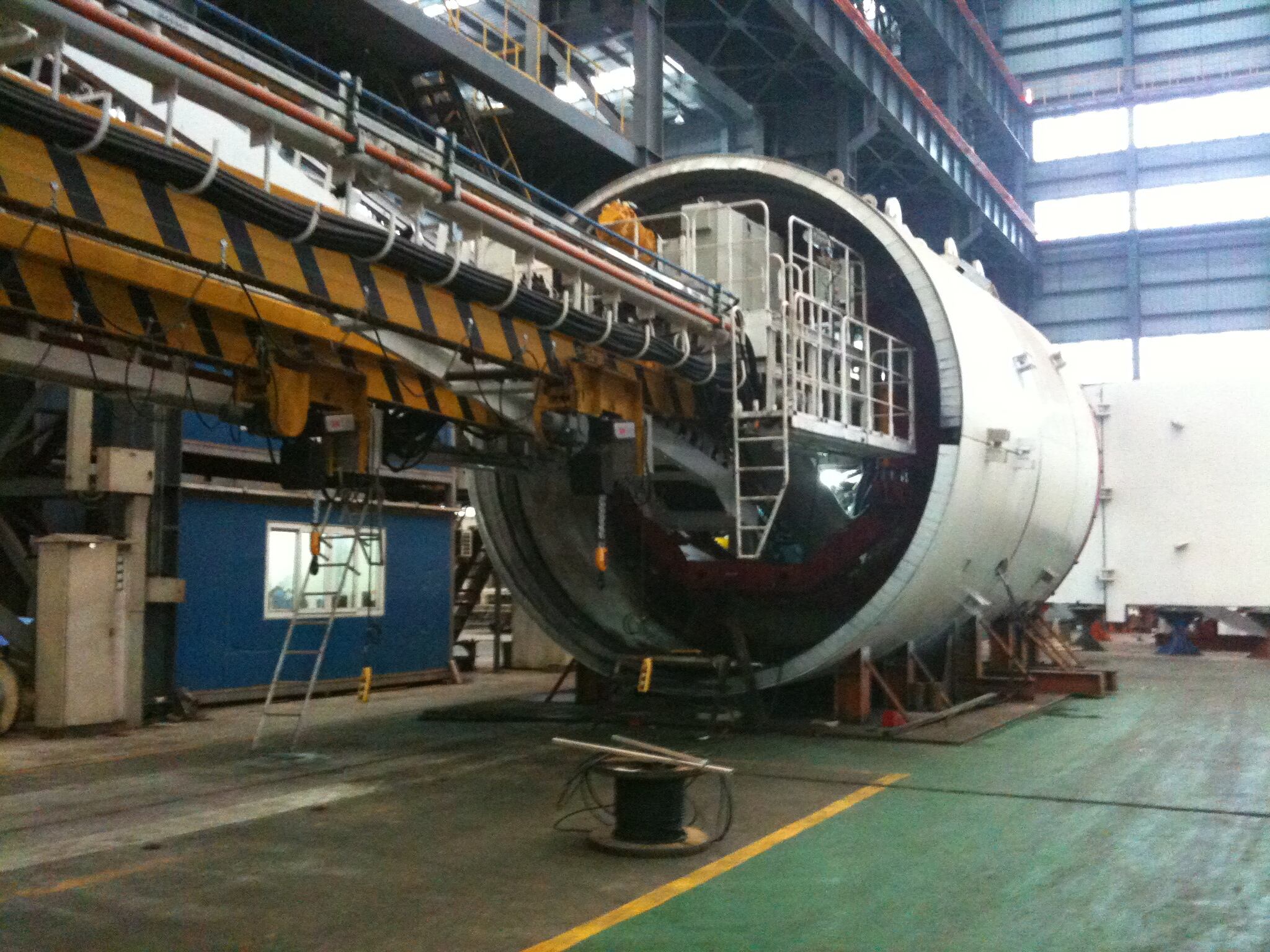
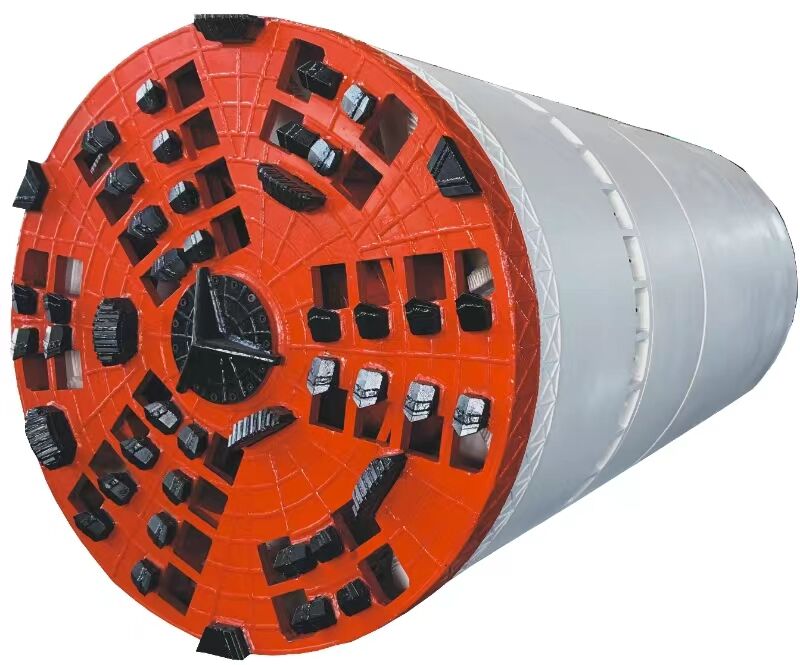
tunnel boring system
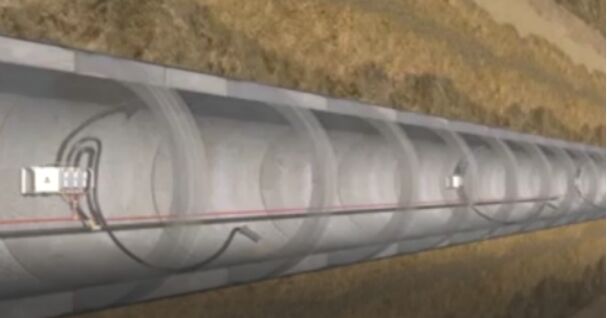
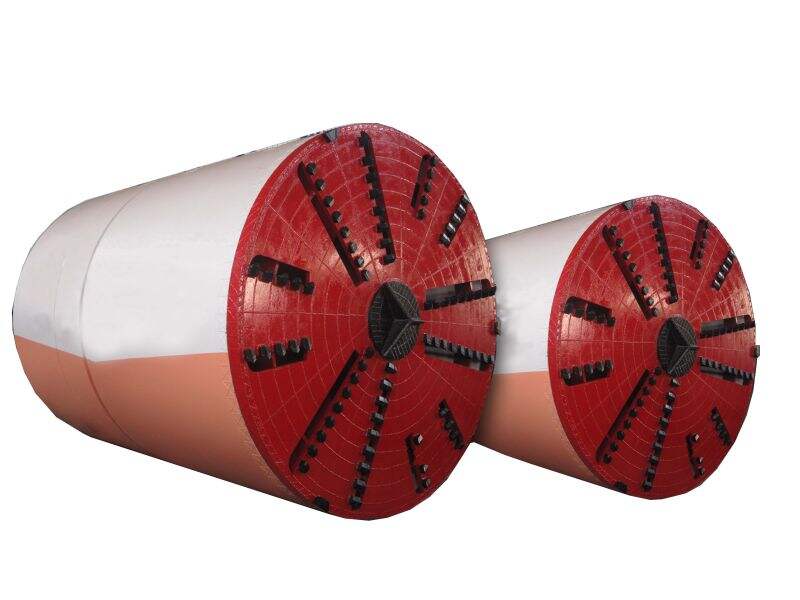
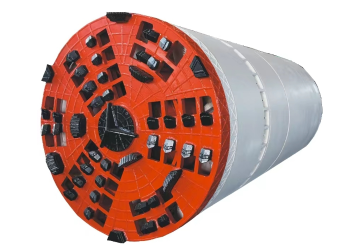
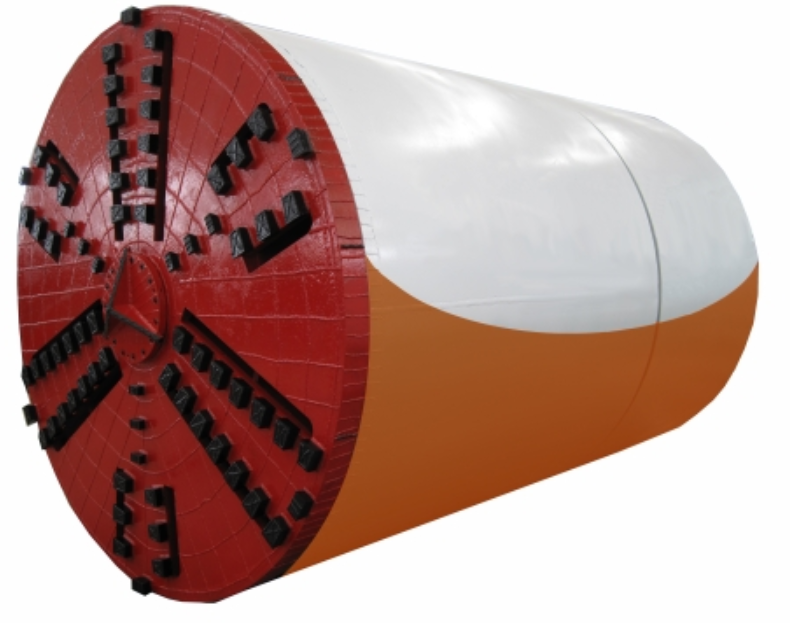
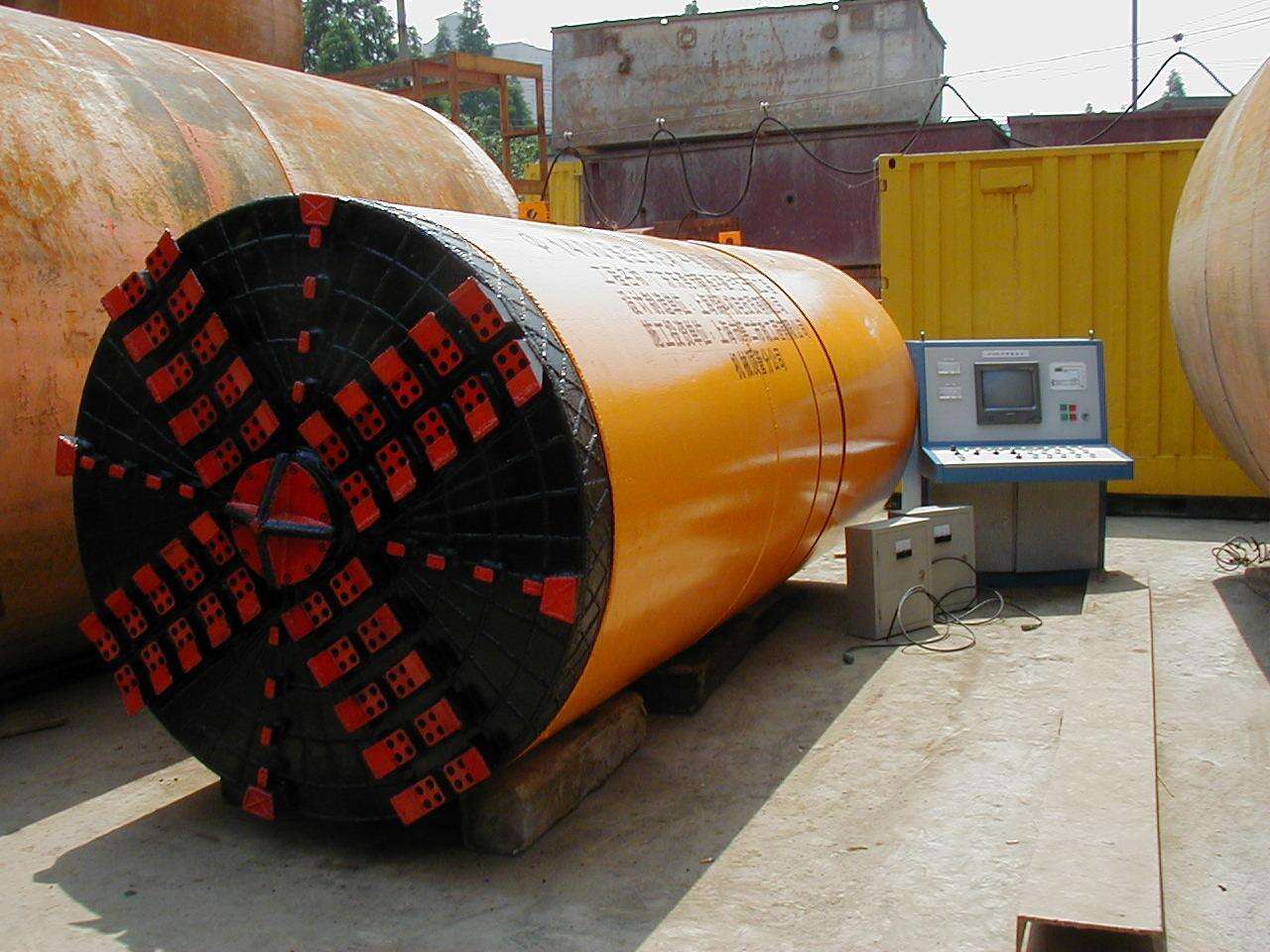
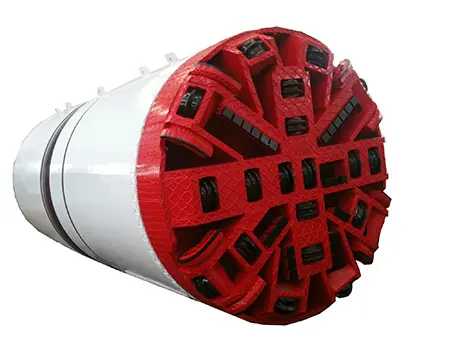
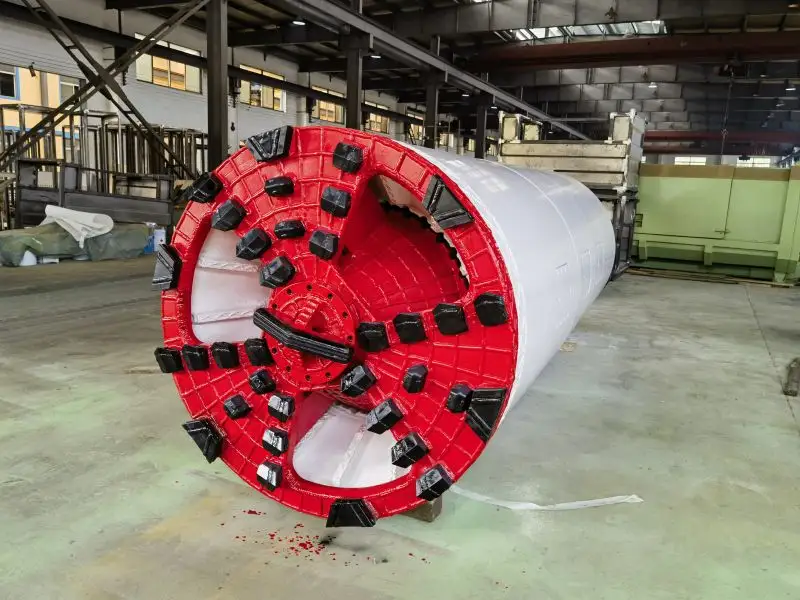
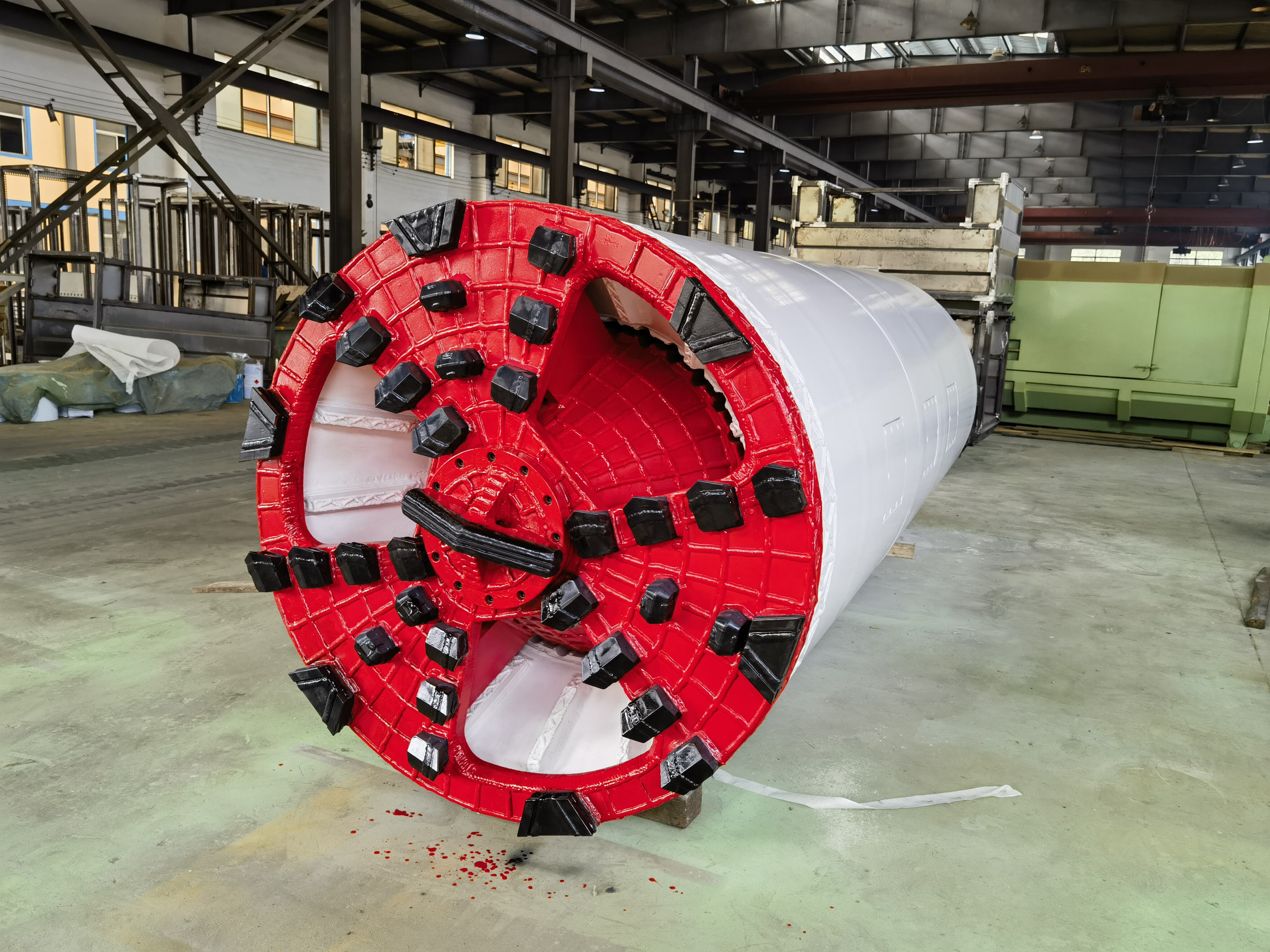
The tunnel boring system represents a revolutionary advancement in underground construction technology, designed to efficiently excavate tunnels through various geological formations with unprecedented precision and safety. This sophisticated machinery combines mechanical cutting mechanisms with automated material removal processes to create tunnels for transportation networks, utility installations, and infrastructure projects. The tunnel boring system operates through a rotating cutterhead equipped with specialized cutting tools that systematically break down rock and soil formations while simultaneously providing structural support to prevent tunnel collapse. Advanced hydraulic systems power the excavation process, allowing operators to adjust cutting parameters based on ground conditions and project requirements. The system incorporates real-time monitoring capabilities that track excavation progress, ground stability, and equipment performance throughout the operation. Modern tunnel boring systems feature computerized control interfaces that enable precise navigation and maintain accurate tunnel alignment according to engineering specifications. The machinery includes integrated conveyor systems that efficiently transport excavated material away from the working face, maintaining continuous operation without manual intervention. Sophisticated dust control mechanisms and ventilation systems ensure safe working conditions while minimizing environmental impact during construction activities. The tunnel boring system accommodates various tunnel diameters and configurations, making it suitable for diverse applications ranging from subway construction to water treatment facilities. Enhanced safety features include emergency stop systems, automated hazard detection, and redundant structural support mechanisms that protect workers and equipment during operation. The technology significantly reduces construction timelines compared to traditional excavation methods while delivering superior tunnel quality and dimensional accuracy. These systems can operate in challenging geological conditions including hard rock, soft soil, and mixed ground formations, adapting cutting strategies to optimize performance across different material types.

 EN
EN
 AR
AR BG
BG HR
HR CS
CS FR
FR DE
DE EL
EL HI
HI IT
IT JA
JA KO
KO RO
RO RU
RU ES
ES TL
TL ID
ID LT
LT SK
SK SL
SL UK
UK VI
VI ET
ET TH
TH TR
TR FA
FA AF
AF MS
MS HY
HY AZ
AZ KA
KA BN
BN LO
LO LA
LA MN
MN NE
NE MY
MY KK
KK UZ
UZ KY
KY