tunnel boring technology
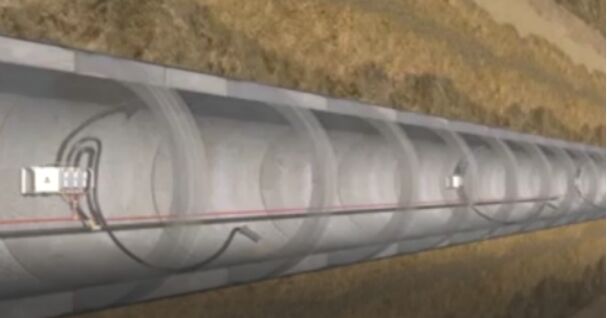
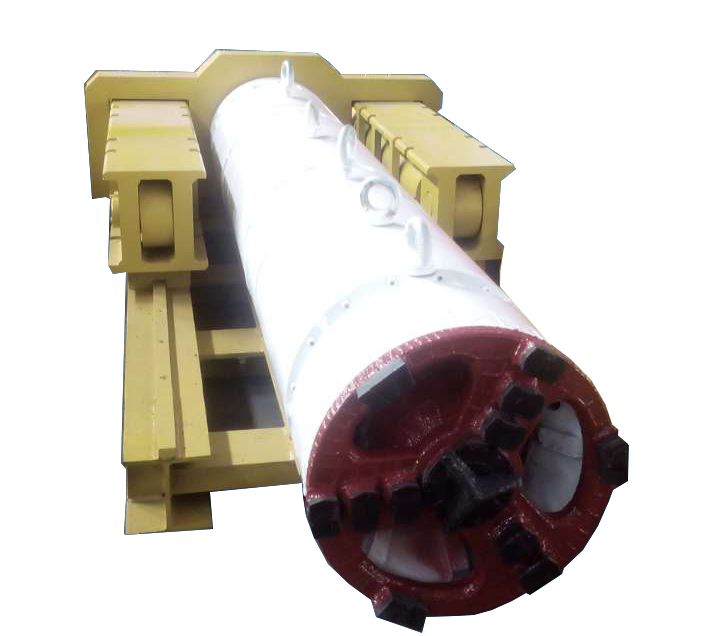
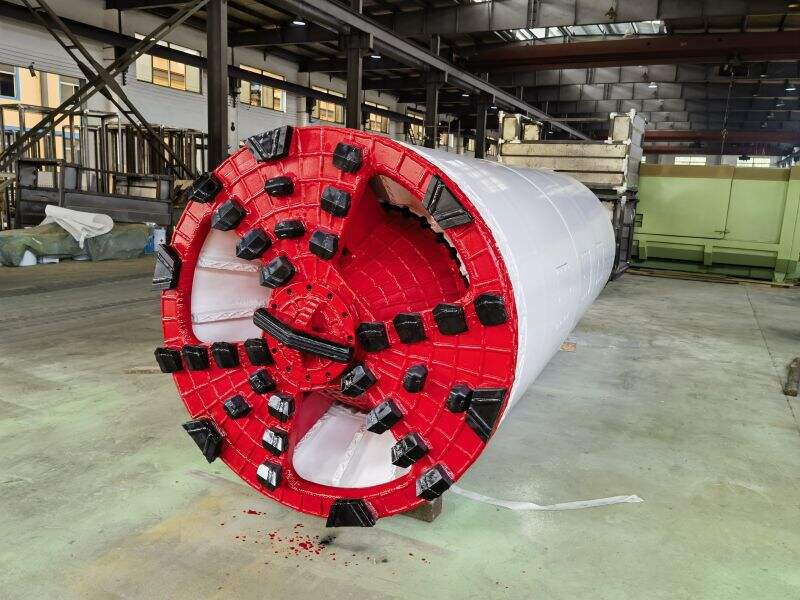
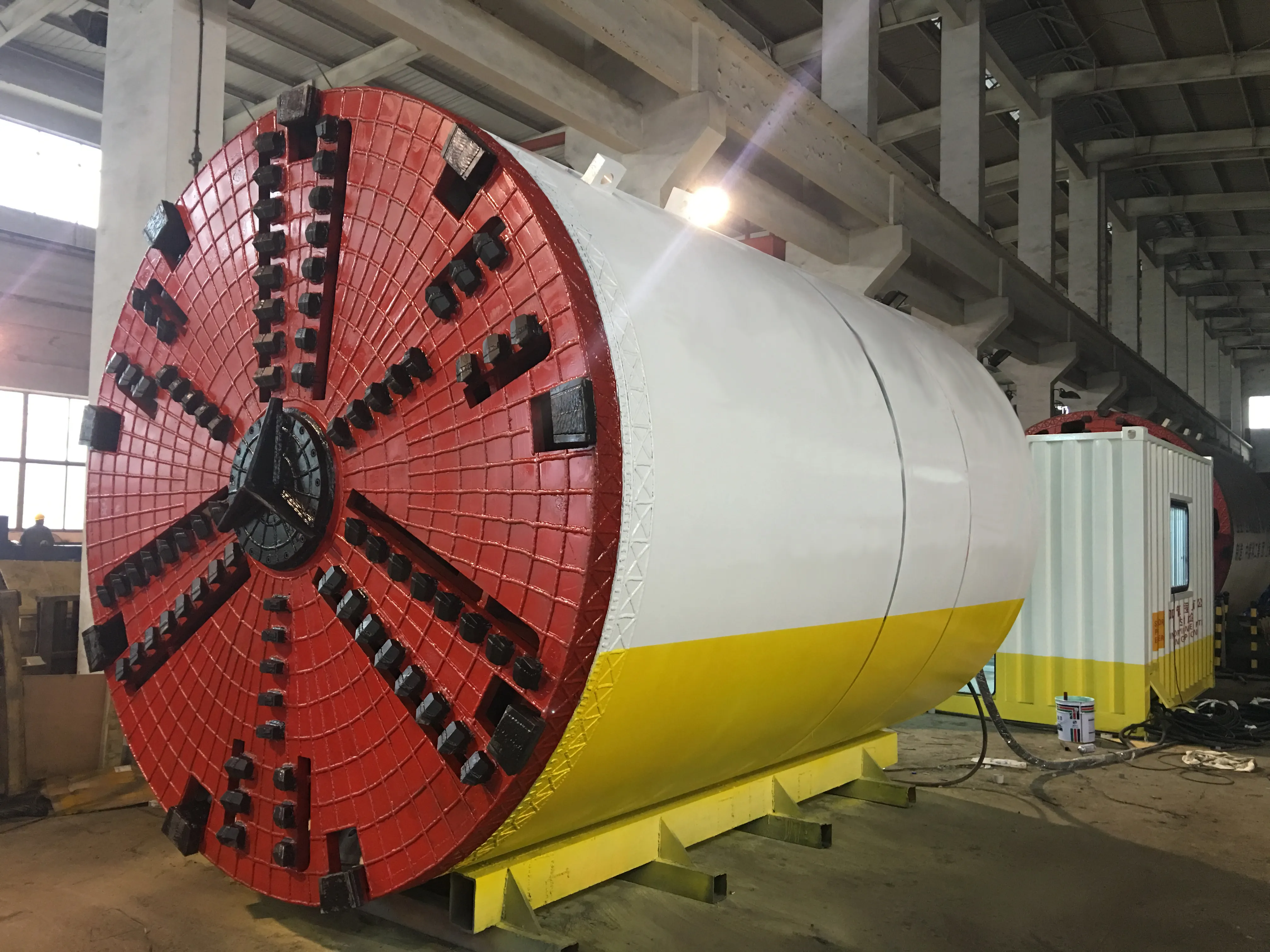
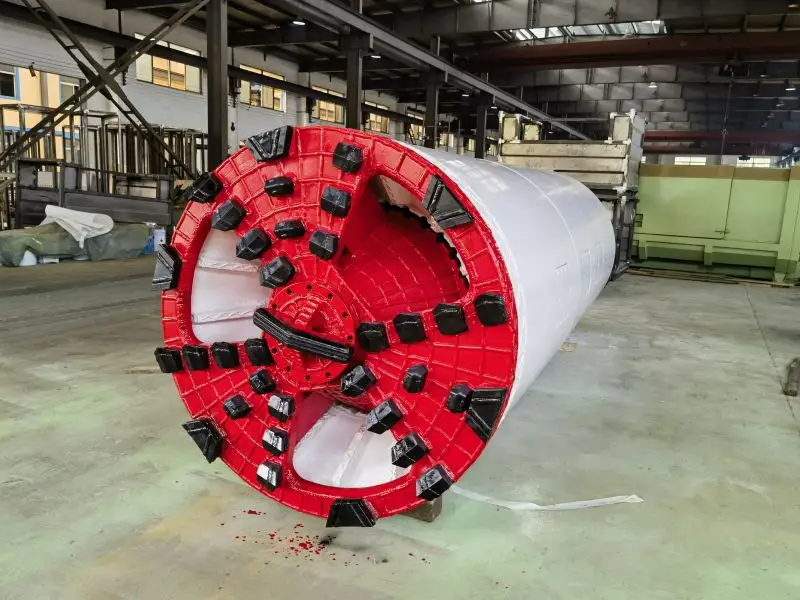
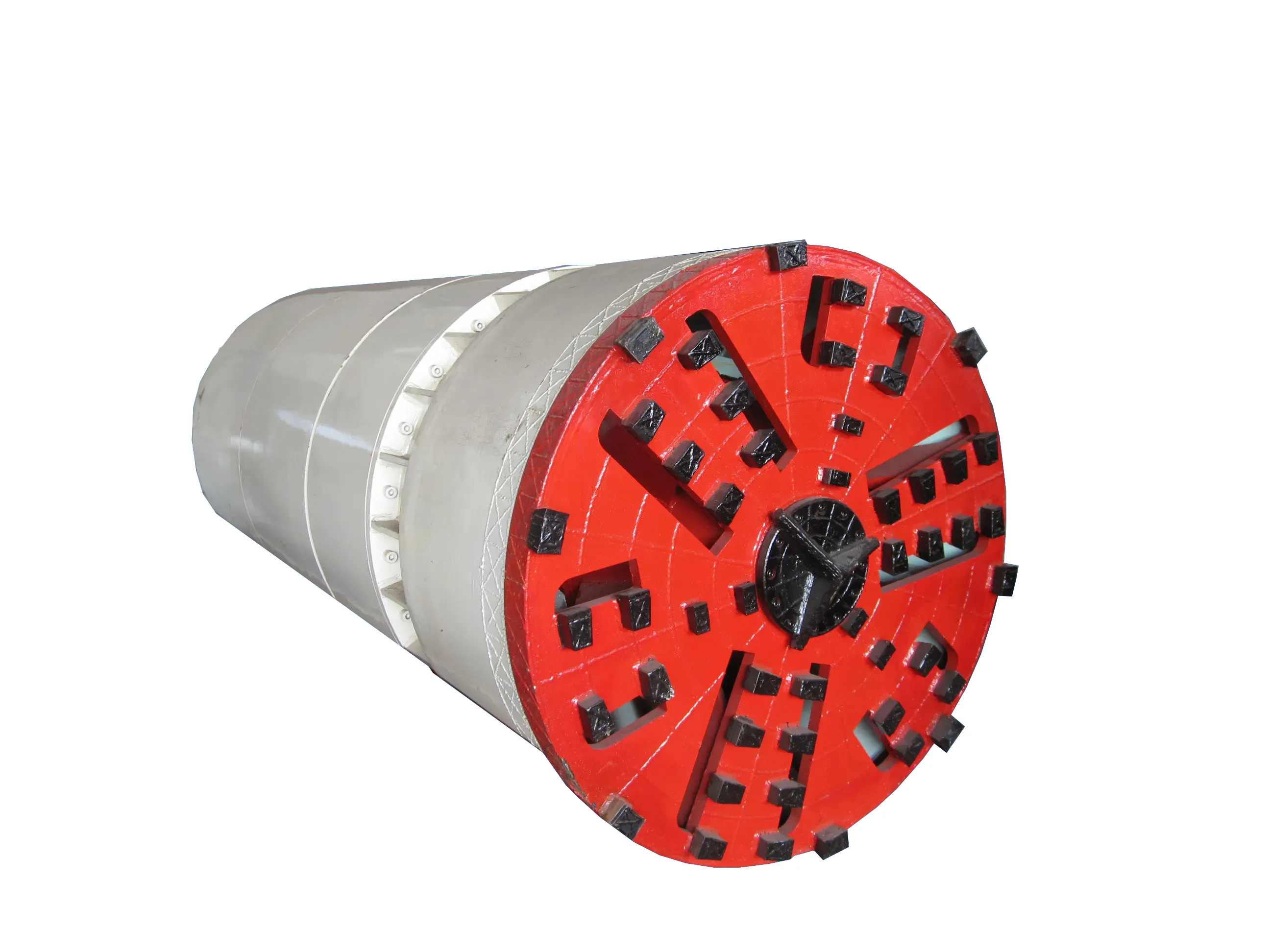
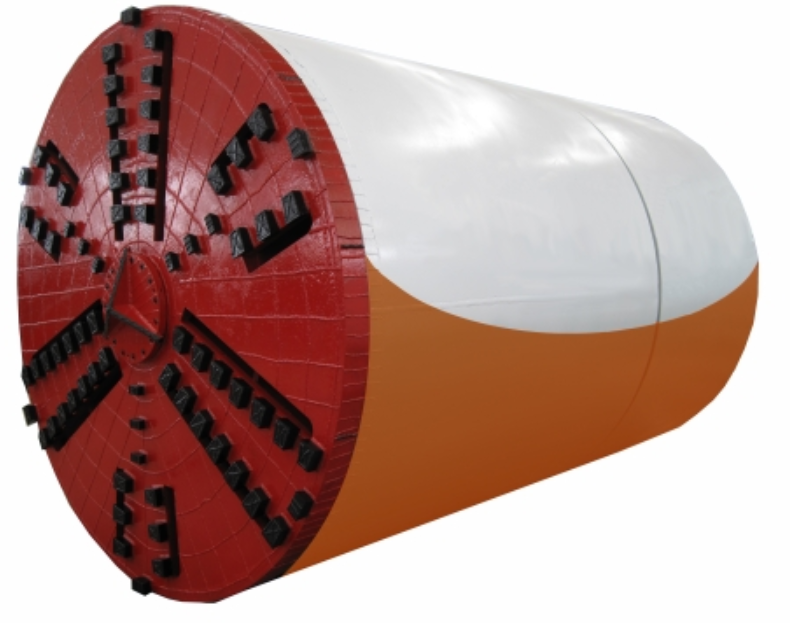
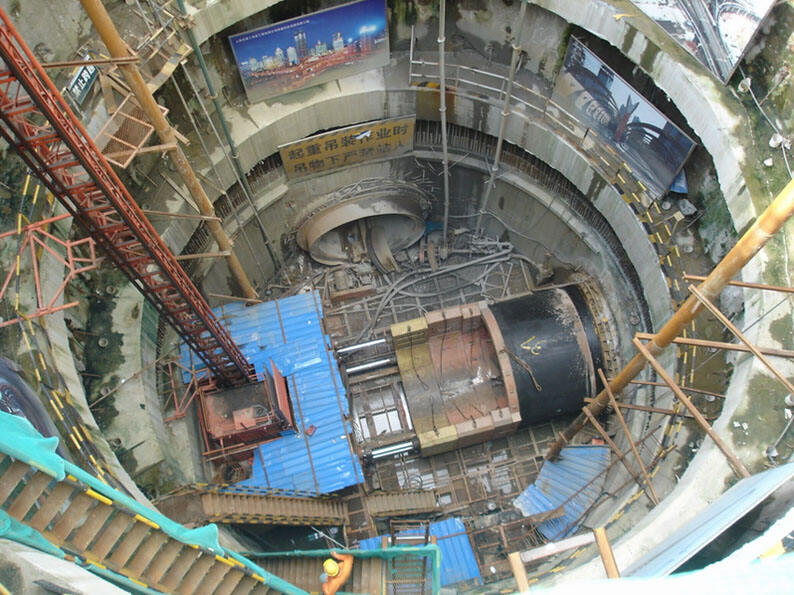
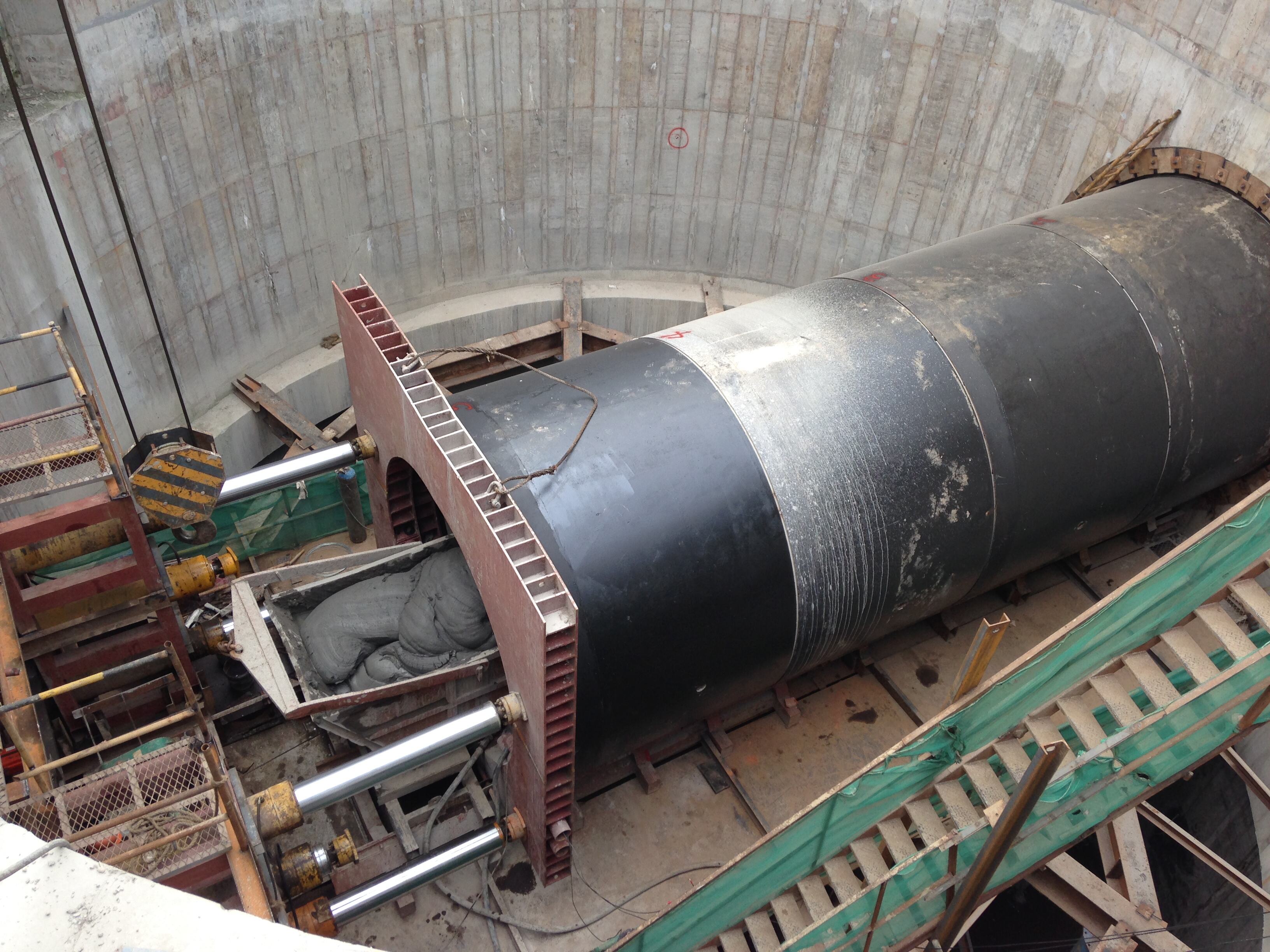
Tunnel boring technology represents a revolutionary advancement in underground excavation methods, transforming how we create passages through earth and rock formations. This sophisticated engineering solution employs massive tunnel boring machines (TBMs) that mechanically excavate circular cross-sections while simultaneously installing permanent support structures. The primary function of tunnel boring technology centers on creating precise, stable underground passages for various infrastructure projects including subway systems, water supply networks, sewage systems, and transportation corridors. These machines operate by rotating cutting heads equipped with specialized disc cutters or drag bits, depending on ground conditions, while hydraulic systems provide the necessary thrust force to advance through challenging geological formations. The technological features of modern tunnel boring systems include real-time monitoring capabilities, automated guidance systems, and advanced spoil removal mechanisms that ensure continuous operation. Computer-controlled steering systems enable operators to maintain precise alignment and grade control throughout the excavation process. The segmental lining installation process occurs simultaneously with excavation, where precast concrete segments are erected behind the cutting head to provide immediate structural support. Modern tunnel boring technology incorporates sophisticated ventilation systems, dust suppression mechanisms, and safety protocols that protect workers while maintaining optimal working conditions underground. Applications span multiple sectors, from urban transit projects requiring precise navigation beneath existing infrastructure to major water conveyance tunnels crossing challenging terrain. Mining operations utilize specialized versions for accessing ore deposits, while utility companies employ smaller-diameter systems for installing underground cables and pipelines. The versatility of tunnel boring technology allows adaptation to various ground conditions, from soft soils to hard rock formations, making it an indispensable tool for modern infrastructure development.

 EN
EN
 AR
AR BG
BG HR
HR CS
CS FR
FR DE
DE EL
EL HI
HI IT
IT JA
JA KO
KO RO
RO RU
RU ES
ES TL
TL ID
ID LT
LT SK
SK SL
SL UK
UK VI
VI ET
ET TH
TH TR
TR FA
FA AF
AF MS
MS HY
HY AZ
AZ KA
KA BN
BN LO
LO LA
LA MN
MN NE
NE MY
MY KK
KK UZ
UZ KY
KY