Environmental Sustainability and Minimal Surface Impact
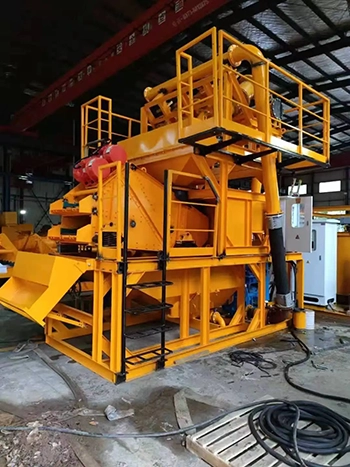
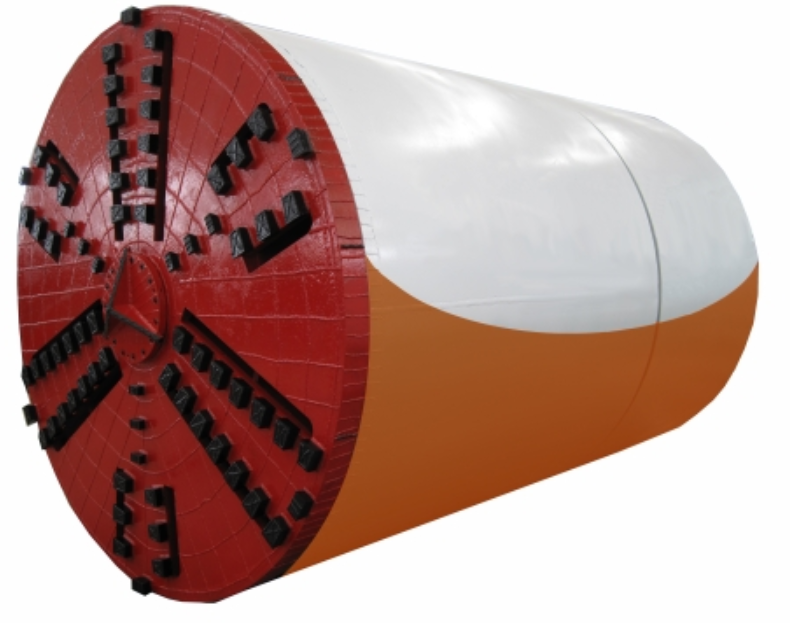
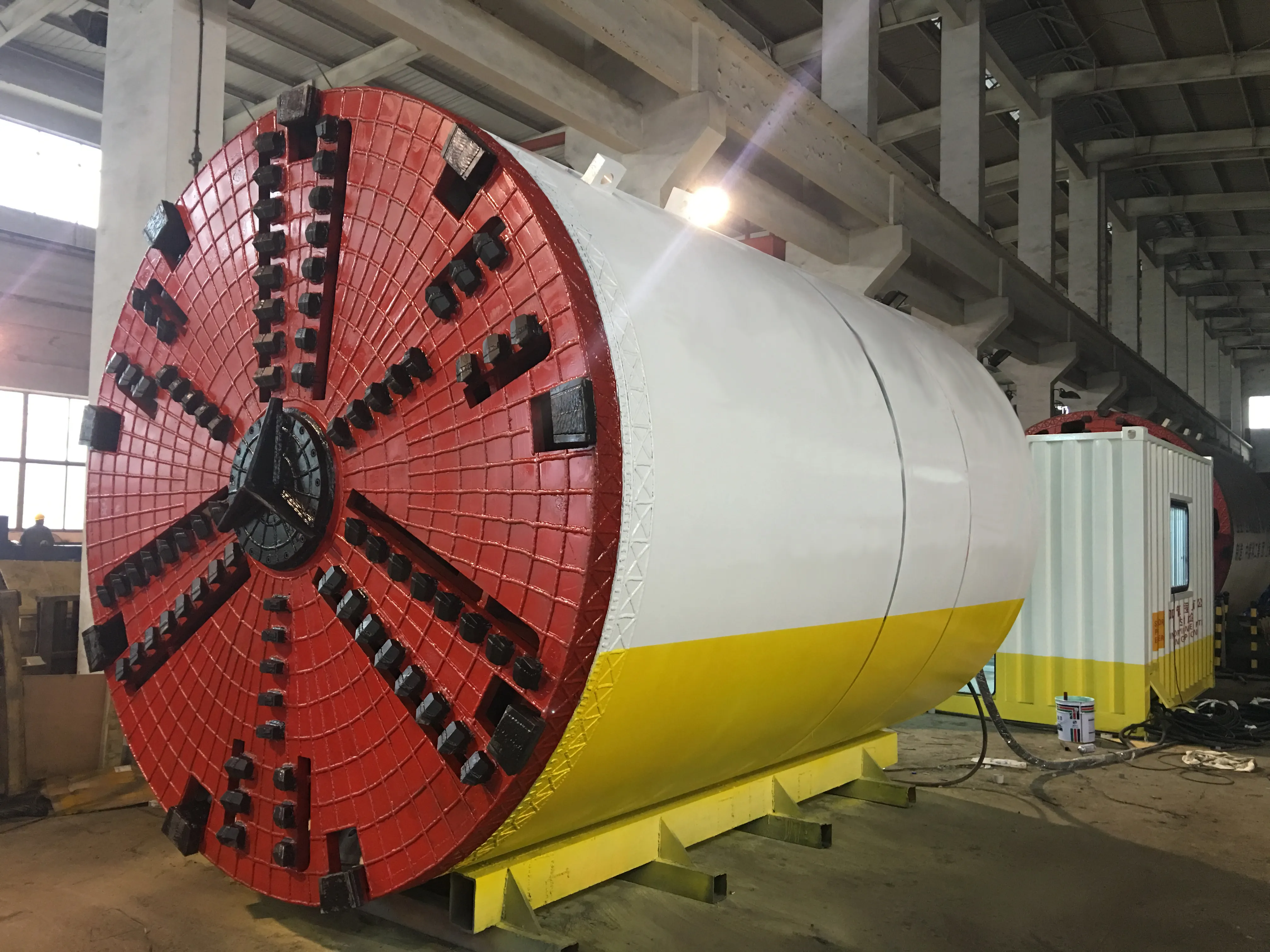
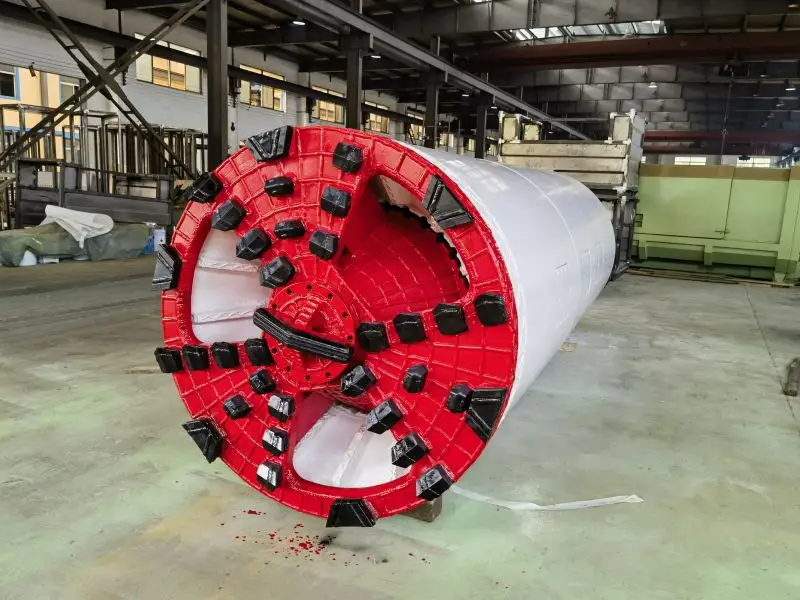
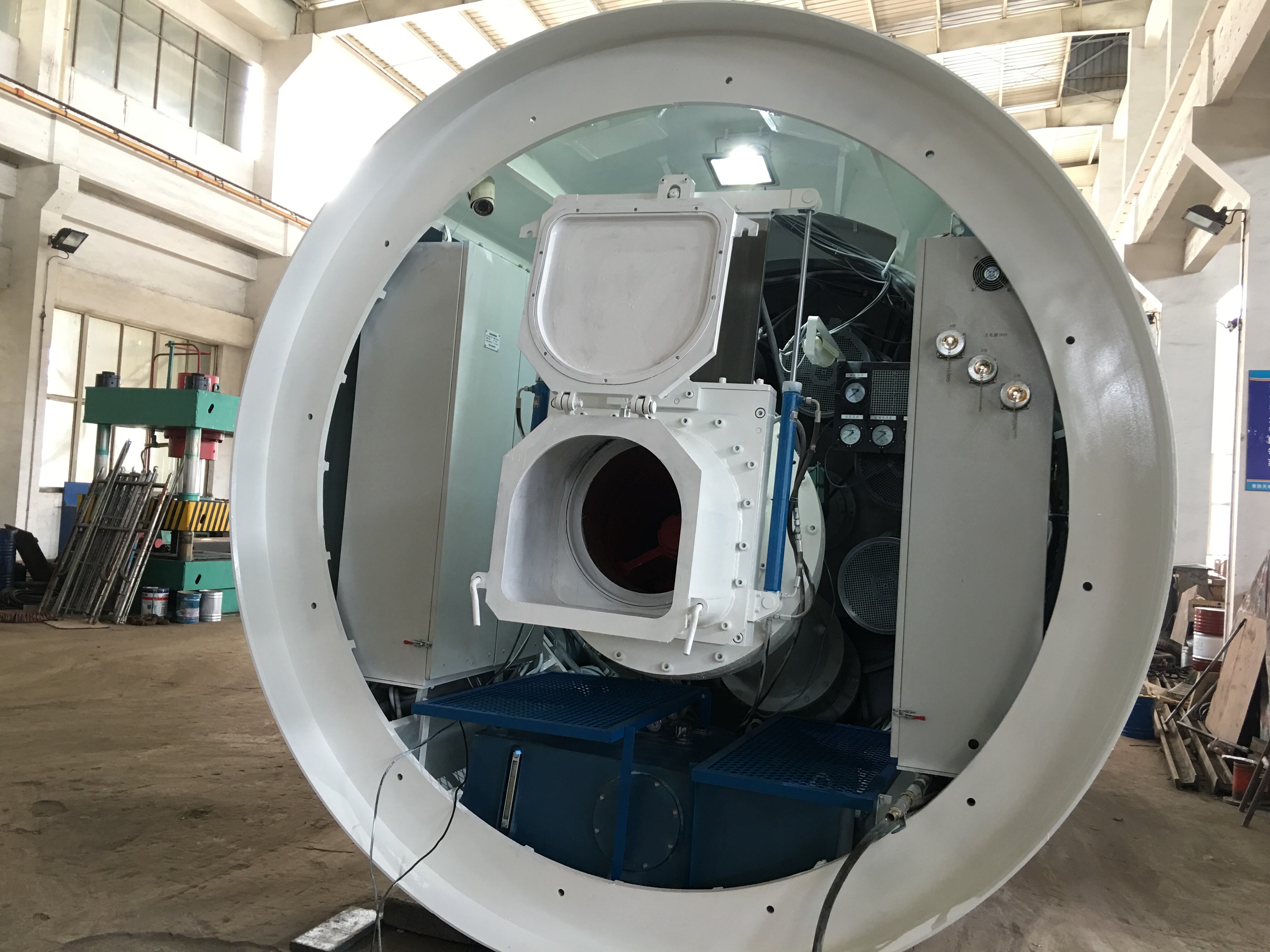
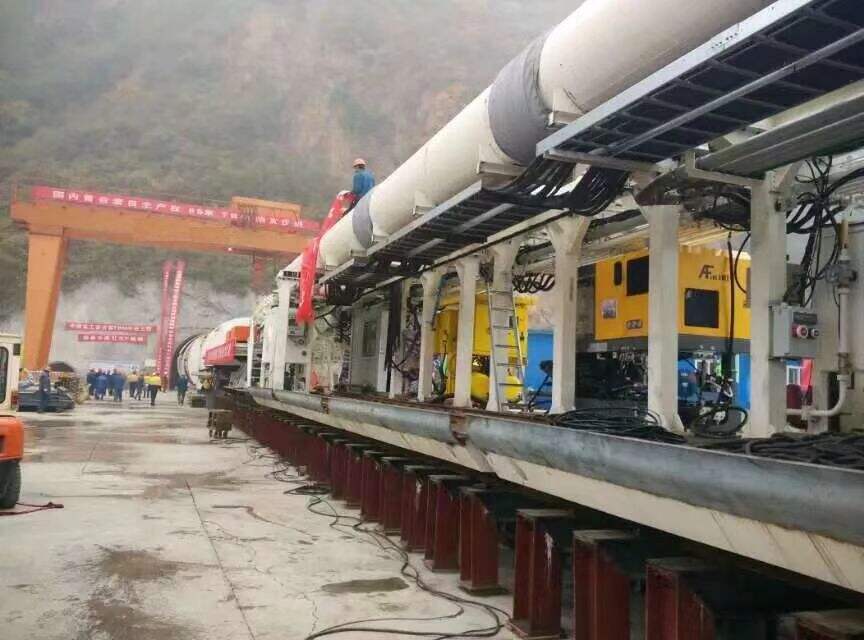
Environmental sustainability stands as a fundamental advantage of hard rock tunneling, offering construction solutions that minimize ecological disruption while achieving complex infrastructure objectives. This environmentally conscious approach addresses growing concerns about construction impact on natural habitats and urban environments. The precision excavation methods employed in hard rock tunneling generate minimal surface disturbance, preserving existing landscapes and reducing the need for extensive environmental restoration. Unlike surface construction or cut-and-cover methods, hard rock tunneling allows projects to proceed beneath sensitive areas without disrupting ecosystems, wildlife migration patterns, or established vegetation. The controlled nature of mechanical excavation significantly reduces dust generation and air pollution compared to blasting techniques. Advanced dust suppression systems capture and filter particulates at the source, preventing environmental contamination and improving air quality for surrounding communities. Water management systems integrated into hard rock tunneling operations prevent contamination of groundwater resources while managing excavation water responsibly. The reduced noise levels associated with mechanical excavation make hard rock tunneling suitable for projects in noise-sensitive areas, including residential neighborhoods, hospitals, and schools. The continuous operation capability eliminates the intermittent loud noises associated with blasting, providing a more consistent and manageable sound environment. Material handling systems incorporated into modern hard rock tunneling equipment optimize waste management and resource recovery. Excavated material can be processed and reused for other construction applications, reducing disposal requirements and transportation costs. The precise excavation control minimizes over-excavation, reducing unnecessary material removal and associated environmental impacts. Long-term environmental benefits include reduced surface infrastructure requirements, lower maintenance needs, and improved durability of underground structures. The superior structural integrity achieved through mechanical excavation methods results in longer-lasting infrastructure that requires fewer repairs and replacements over its operational lifetime. This sustainability extends to energy efficiency, as the smooth tunnel surfaces created by hard rock tunneling reduce operational energy requirements for ventilation and transportation systems.

 EN
EN
 AR
AR BG
BG HR
HR CS
CS FR
FR DE
DE EL
EL HI
HI IT
IT JA
JA KO
KO RO
RO RU
RU ES
ES TL
TL ID
ID LT
LT SK
SK SL
SL UK
UK VI
VI ET
ET TH
TH TR
TR FA
FA AF
AF MS
MS HY
HY AZ
AZ KA
KA BN
BN LO
LO LA
LA MN
MN NE
NE MY
MY KK
KK UZ
UZ KY
KY