Underground Tunneling Machines: Advanced Technology for Efficient Subterranean Construction

Contact me immediately if you encounter problems!

All Categories

Get a Free Quote

Our representative will contact you soon.
Email
Name
Company Name
Message
0/1000

underground tunneling machines

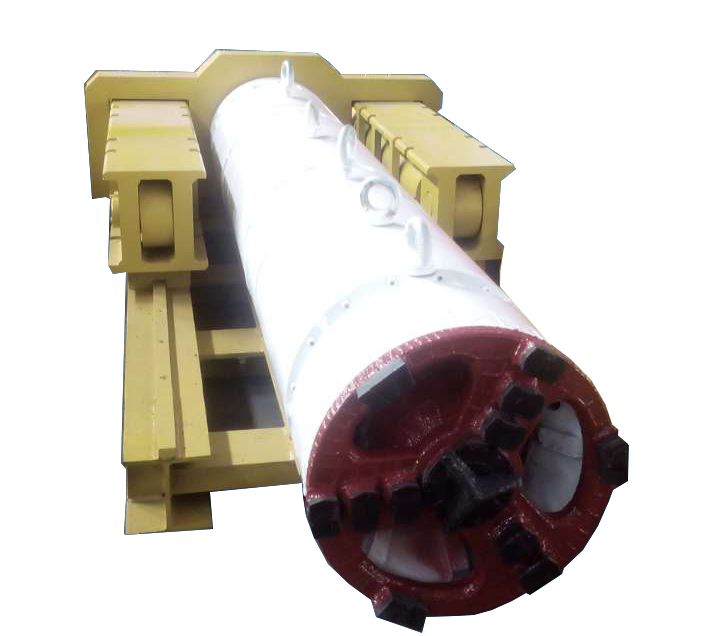
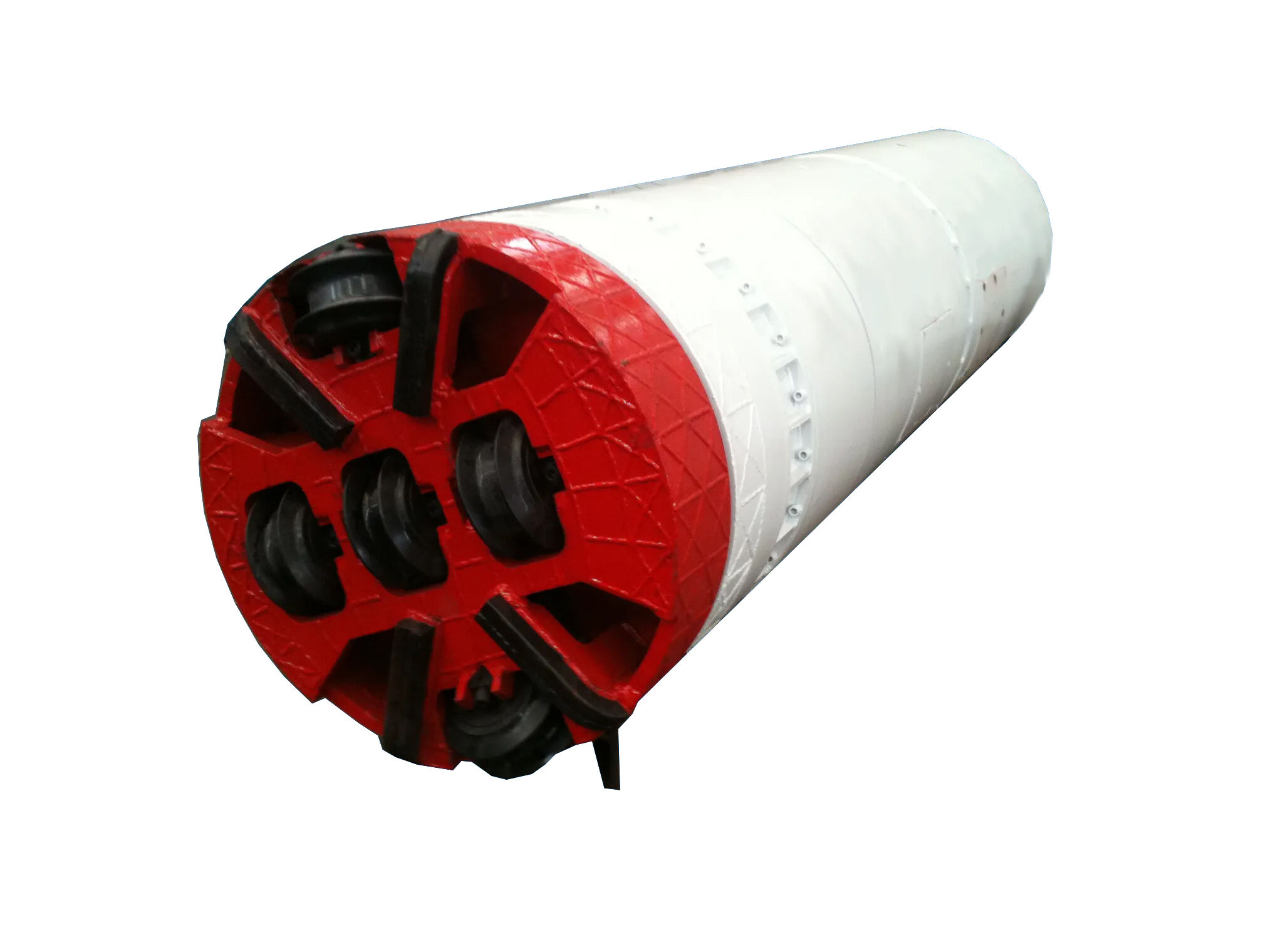
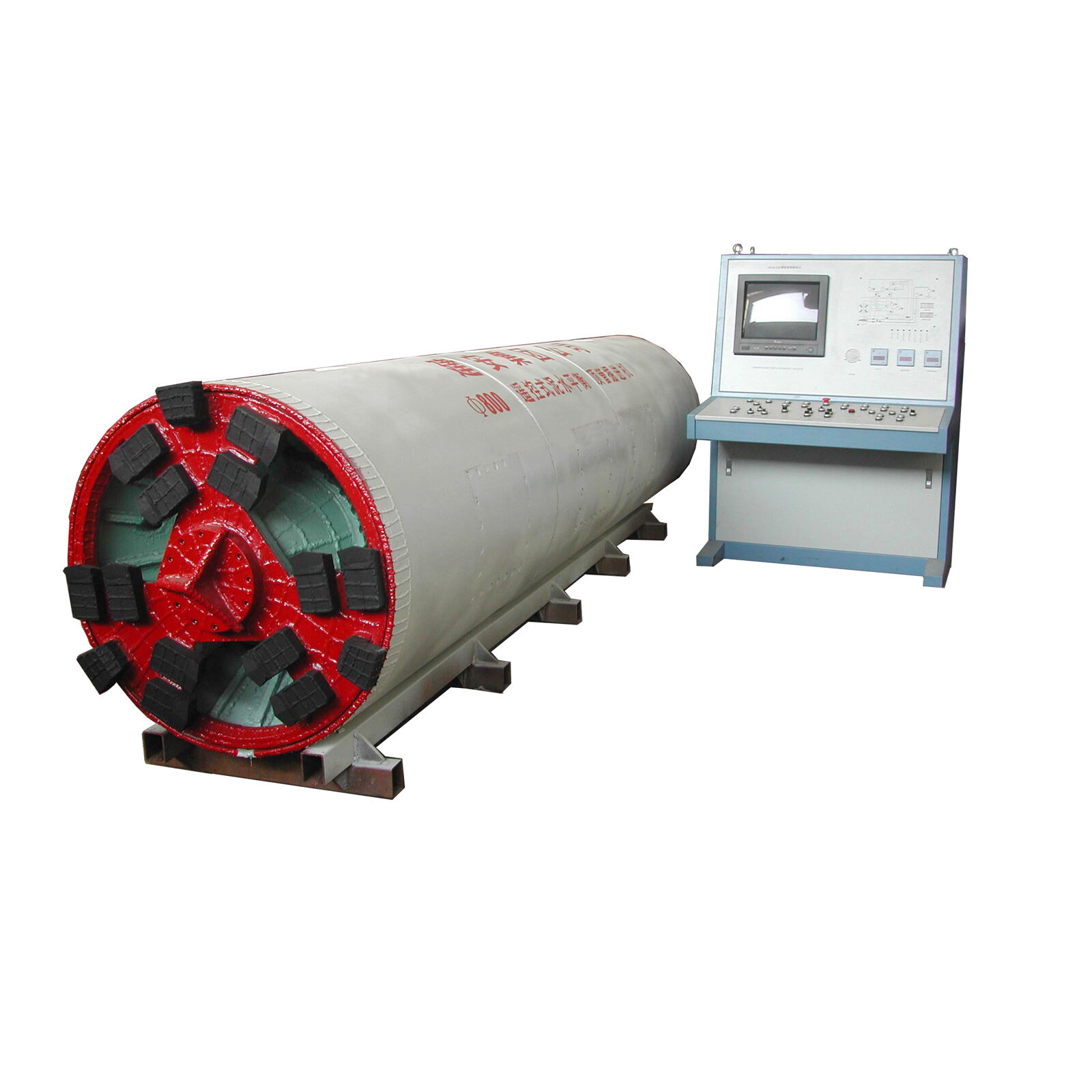
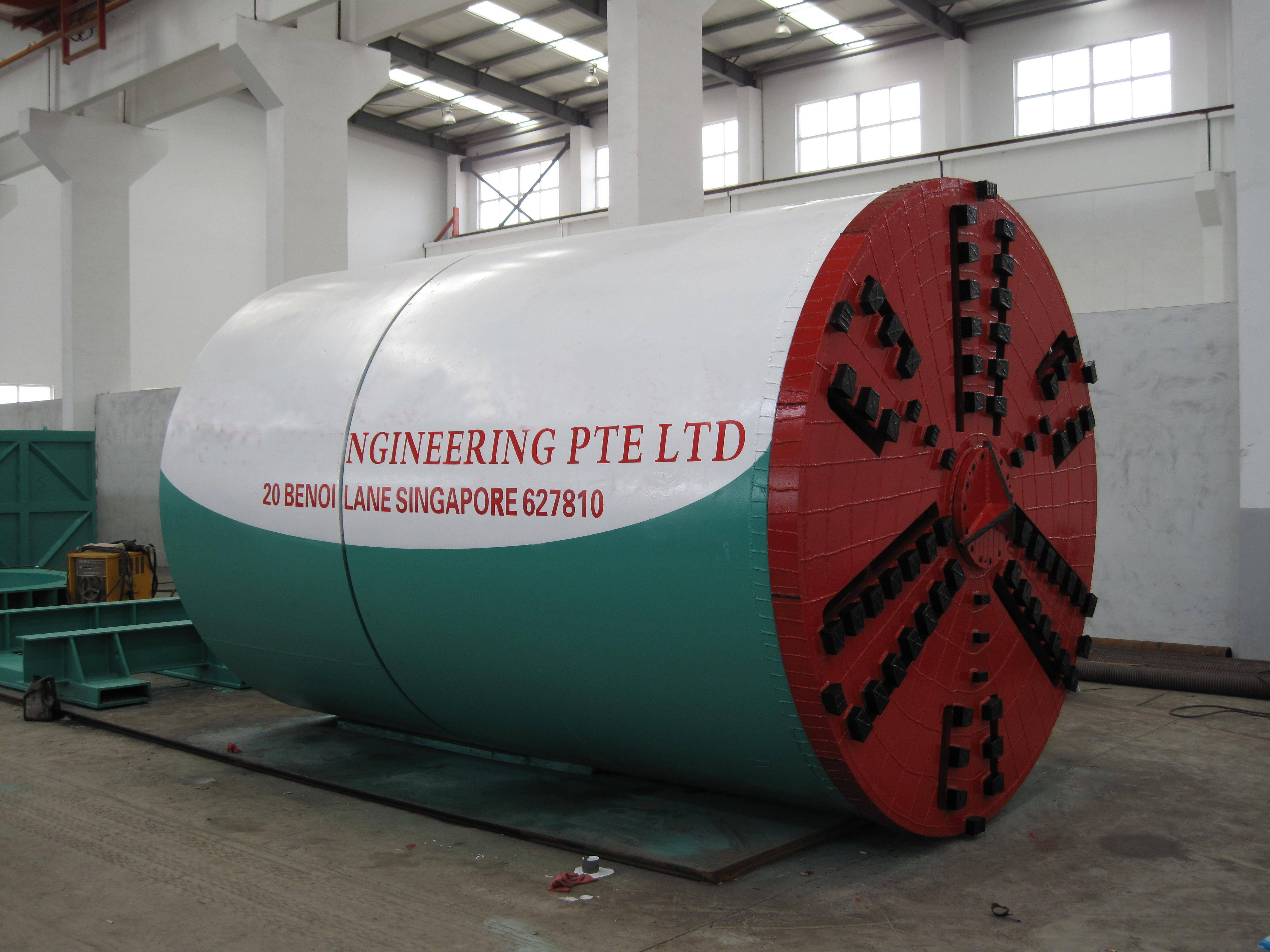
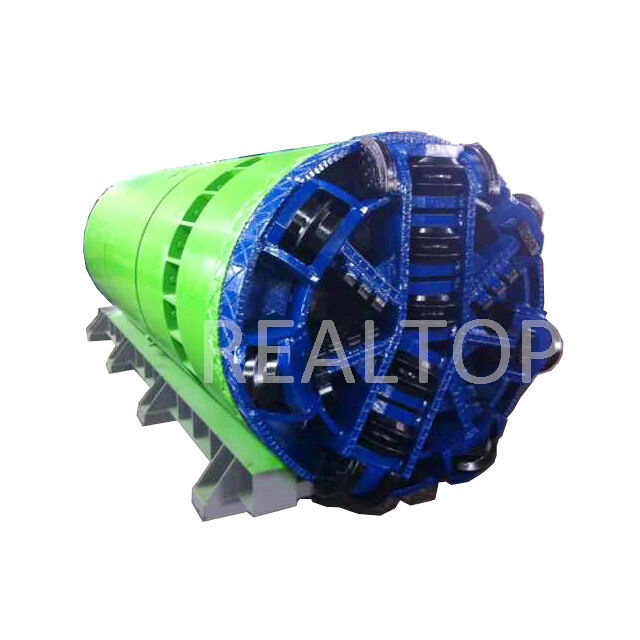
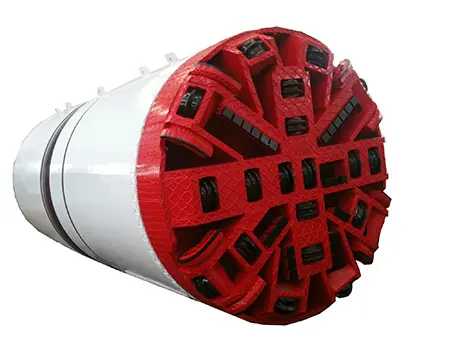
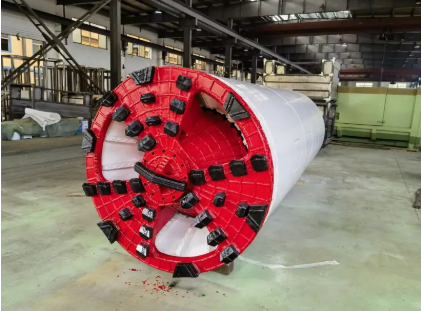
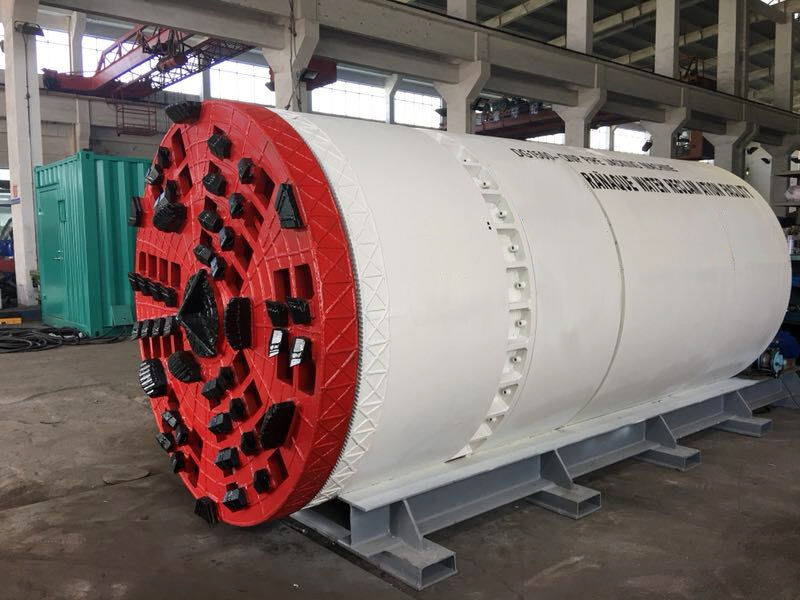
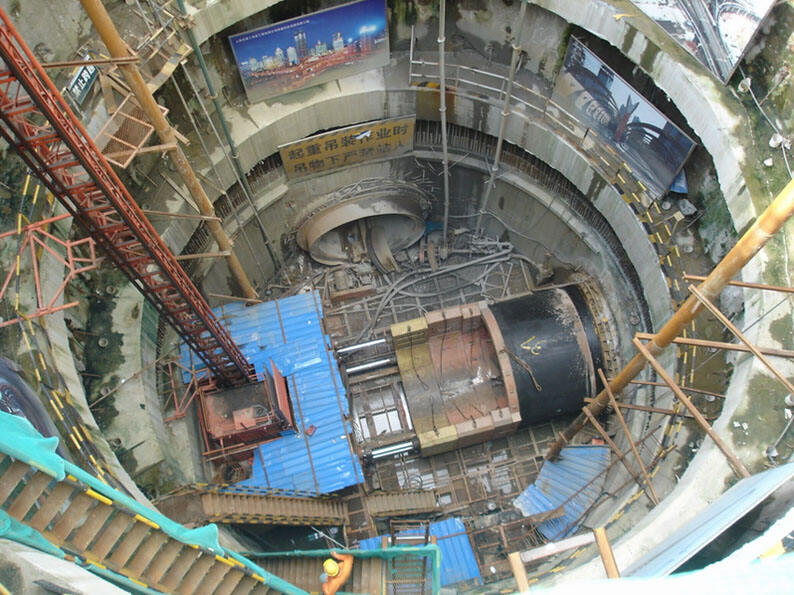
Underground tunneling machines represent a revolutionary advancement in subterranean construction technology, designed to excavate tunnels efficiently through various geological formations. These sophisticated pieces of equipment serve multiple critical functions in modern infrastructure development, including the creation of subway systems, water management networks, utility corridors, and transportation pathways. The primary function of underground tunneling machines centers on mechanical excavation, where powerful cutting heads equipped with specialized tools break through rock, soil, and mixed ground conditions. These machines simultaneously remove excavated material through conveyor systems while providing structural support to newly formed tunnel walls. Advanced underground tunneling machines incorporate real-time monitoring systems that track geological conditions, machine performance, and tunnel alignment with precision accuracy. The technological features of these machines include hydraulic systems that generate tremendous cutting force, automated guidance systems ensuring precise directional control, and sophisticated ventilation mechanisms maintaining safe working environments. Modern underground tunneling machines utilize computer-controlled navigation systems that integrate GPS technology with laser guidance for maintaining exact tunnel trajectories. The applications of underground tunneling machines span across numerous industries and project types. Urban infrastructure projects rely heavily on these machines for constructing subway tunnels beneath densely populated areas without disrupting surface activities. Water management projects employ underground tunneling machines to create sewage systems, storm water drainage networks, and water supply tunnels connecting distant reservoirs to treatment facilities. Mining operations utilize specialized versions of underground tunneling machines for accessing mineral deposits and creating ventilation shafts. Transportation infrastructure benefits significantly from underground tunneling machines in constructing highway tunnels through mountains and under waterways, reducing travel distances and environmental impact.

New Products

Underground tunneling machines offer substantial advantages that make them indispensable for modern construction projects requiring subterranean excavation. These machines dramatically reduce project completion times compared to traditional drilling and blasting methods, enabling contractors to meet tight deadlines while maintaining high safety standards. The precision capabilities of underground tunneling machines ensure accurate tunnel dimensions and alignment, eliminating costly rework and ensuring structural integrity throughout the excavation process. Safety represents a paramount advantage, as these machines minimize human exposure to hazardous underground conditions while providing controlled excavation environments. Workers operate from protected cab areas equipped with advanced life support systems, significantly reducing accident risks associated with manual tunneling operations. Environmental benefits make underground tunneling machines particularly attractive for urban projects, as they generate minimal surface disturbance and reduce noise pollution compared to conventional excavation methods. The continuous operation capability of underground tunneling machines maximizes productivity, allowing projects to progress around the clock when necessary. These machines handle diverse geological conditions effectively, from soft soils to hard rock formations, adapting their cutting mechanisms and operational parameters automatically. Cost efficiency emerges as a significant advantage over project lifecycles, despite higher initial equipment investments, due to reduced labor requirements, faster completion times, and lower material waste. Underground tunneling machines produce consistent tunnel profiles that require minimal finishing work, reducing downstream construction costs and timeline extensions. The automated material handling systems integrated into these machines eliminate manual debris removal, streamlining operations and reducing labor costs substantially. Quality control advantages include precise excavation tolerances that ensure proper fit for tunnel linings, utilities, and structural elements. Remote monitoring capabilities allow project managers to track progress in real-time, making informed decisions about resource allocation and schedule adjustments. Maintenance advantages include predictive diagnostic systems that identify potential issues before costly breakdowns occur, ensuring consistent machine availability. The versatility of underground tunneling machines allows single equipment investments to serve multiple project phases and applications, maximizing return on investment for construction companies.

Latest News

How to Choose the Right No-Dig Tunnel Drilling Equipment?

23

Sep

How to Choose the Right No-Dig Tunnel Drilling Equipment?

Understanding Modern Trenchless Technology Solutions The evolution of underground construction has revolutionized the way we approach infrastructure development. No-dig tunnel drilling equipment represents the pinnacle of this advancement, offering e...
View More
What Makes A Micro Tunneling Machine Essential For Modern Cities?

16

Oct

What Makes A Micro Tunneling Machine Essential For Modern Cities?

The Revolution of Underground Infrastructure Development In the heart of bustling urban landscapes, beneath the maze of streets and buildings, a technological marvel quietly transforms the way we build and maintain city infrastructure. The micro tunn...
View More
Maintenance and Care Tips for Tunnel Drilling Machines

24

Oct

Maintenance and Care Tips for Tunnel Drilling Machines

Preventative Maintenance to Maximize Uptime and Reduce Costs The Role of Preventative Maintenance in Reducing Equipment Downtime Keeping tunnel drilling machines well maintained ahead of time stops expensive work stoppages because problems get fixed...
View More
What are the key considerations when selecting a micro tunneling machine for a project?

24

Oct

What are the key considerations when selecting a micro tunneling machine for a project?

Assessing Soil and Ground Conditions to Guide Micro Tunneling Machine SelectionThe Role of Geotechnical Investigation in Microtunneling DesignGetting good results from micro tunneling starts with solid geotechnical investigations. Before picking the ...
View More

Get a Free Quote

Our representative will contact you soon.
Email
Name
Company Name
Message
0/1000

underground tunneling machines

Advanced Automated Navigation and Control Systems

Advanced Automated Navigation and Control Systems

Underground tunneling machines feature state-of-the-art automated navigation and control systems that revolutionize precision tunneling operations. These sophisticated guidance technologies combine multiple positioning methods including laser guidance, GPS integration, and inertial measurement systems to maintain exact tunnel trajectories throughout excavation processes. The automated control systems continuously monitor machine position, orientation, and cutting head alignment, making real-time adjustments to ensure tunnels follow predetermined paths with millimeter-level accuracy. Advanced software algorithms process geological data, machine performance metrics, and environmental conditions to optimize cutting parameters automatically, reducing operator workload while maximizing excavation efficiency. The navigation systems incorporate three-dimensional mapping capabilities that create detailed tunnel profiles in real-time, allowing operators to visualize progress and identify potential deviations before they become costly problems. Integrated sensor networks monitor ground conditions ahead of the cutting face, providing early warning of geological changes that might require operational adjustments. The control systems feature user-friendly interfaces that display critical information in intuitive formats, enabling operators to make informed decisions quickly. Emergency response protocols built into the automated systems ensure immediate shutdown and safety procedures activation when hazardous conditions are detected. Remote monitoring capabilities allow project supervisors to oversee multiple machines simultaneously from centralized control centers, improving coordination and resource management across large tunneling projects. The automated systems maintain comprehensive operation logs that document machine performance, geological conditions encountered, and excavation progress, providing valuable data for future project planning and optimization. Quality assurance features include automated measurement systems that verify tunnel dimensions and surface quality continuously, ensuring compliance with engineering specifications without manual intervention. The integration of artificial intelligence and machine learning algorithms enables these systems to improve performance over time by analyzing historical data and identifying optimization opportunities.
Robust Multi-Terrain Cutting Technology

Robust Multi-Terrain Cutting Technology

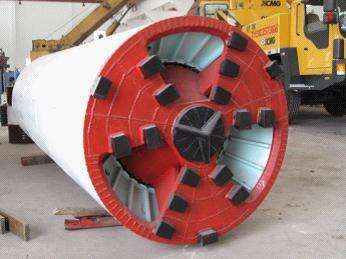
Underground tunneling machines incorporate robust multi-terrain cutting technology designed to handle diverse geological conditions efficiently and reliably. The cutting head assemblies feature interchangeable tool configurations that adapt to different rock hardness levels, soil compositions, and mixed ground conditions encountered during tunneling operations. High-strength steel cutting wheels equipped with carbide-tipped tools provide exceptional durability and cutting performance in hard rock formations, while specialized soft ground tools handle clay, sand, and loose soil conditions effectively. The cutting systems generate tremendous torque through advanced hydraulic drive mechanisms, delivering consistent power output regardless of geological variations or operational demands. Variable cutting speeds allow operators to optimize performance for specific ground conditions, maximizing penetration rates while minimizing tool wear and energy consumption. Cooling systems integrated into the cutting assemblies prevent overheating during intensive operations, extending tool life and maintaining cutting efficiency throughout extended work cycles. The modular design of cutting tool assemblies enables rapid replacement and maintenance, minimizing downtime and ensuring continuous project progress. Debris management systems work in conjunction with cutting mechanisms to remove excavated material efficiently, preventing clogging and maintaining optimal cutting face access. Advanced wear monitoring systems track tool condition in real-time, alerting operators when replacement is needed and preventing costly damage from worn tools. The cutting technology includes specialized features for handling challenging conditions such as water infiltration, gas pockets, and unstable ground formations. Pressure control systems maintain optimal cutting face stability while preventing ground collapse or water ingress during excavation. The robust construction of cutting assemblies ensures reliable performance in harsh underground environments where temperature, humidity, and contamination levels can be extreme. Maintenance accessibility features allow technicians to service cutting components safely and efficiently, reducing maintenance costs and improving machine availability for critical tunneling operations.
Integrated Safety and Environmental Protection Systems

Integrated Safety and Environmental Protection Systems

Underground tunneling machines incorporate comprehensive integrated safety and environmental protection systems that prioritize worker safety while minimizing ecological impact during tunneling operations. Advanced ventilation systems maintain safe air quality in tunnel environments by continuously monitoring oxygen levels, detecting harmful gases, and providing adequate air circulation throughout excavation areas. Emergency response systems include automatic shutdown procedures, evacuation protocols, and communication networks that ensure rapid response to hazardous situations. Fire suppression systems utilize specialized extinguishing agents suitable for underground environments, protecting both personnel and equipment from fire-related risks. The enclosed operator cabins feature positive pressure systems, air filtration, and climate control to protect workers from dust, noise, and environmental hazards. Structural safety features include reinforced frames designed to withstand ground pressure and potential cave-ins, ensuring operator protection in unstable geological conditions. Real-time ground stability monitoring systems analyze soil and rock conditions continuously, providing early warning of potential collapses or shifts that could endanger personnel. Environmental protection systems minimize surface disruption by containing excavated materials and preventing contamination of surrounding soil and groundwater. Noise reduction technologies include sound dampening materials and enclosed cutting mechanisms that significantly reduce acoustic impact on surrounding communities. Vibration control systems minimize ground tremors that could affect nearby structures or sensitive equipment during tunneling operations. Dust suppression systems utilize water spray and filtration technologies to control airborne particles, protecting both workers and surrounding environments from contamination. Waste management systems sort and contain excavated materials for proper disposal or recycling, reducing environmental impact and supporting sustainable construction practices. Energy efficiency features include optimized power management systems that reduce fuel consumption and emissions while maintaining peak performance levels. The integrated systems provide comprehensive monitoring and reporting capabilities that document environmental compliance and safety performance throughout project lifecycles. Training and certification programs ensure operators understand safety protocols and environmental responsibilities associated with underground tunneling machine operations.

Get a Free Quote

Our representative will contact you soon.
Email
Name
Company Name
Message
0/1000