ໂຮງງານຜະລິດເຄື່ອງຈັກຂັບທໍ່ດ້ວຍເປືອກເຫຼວ
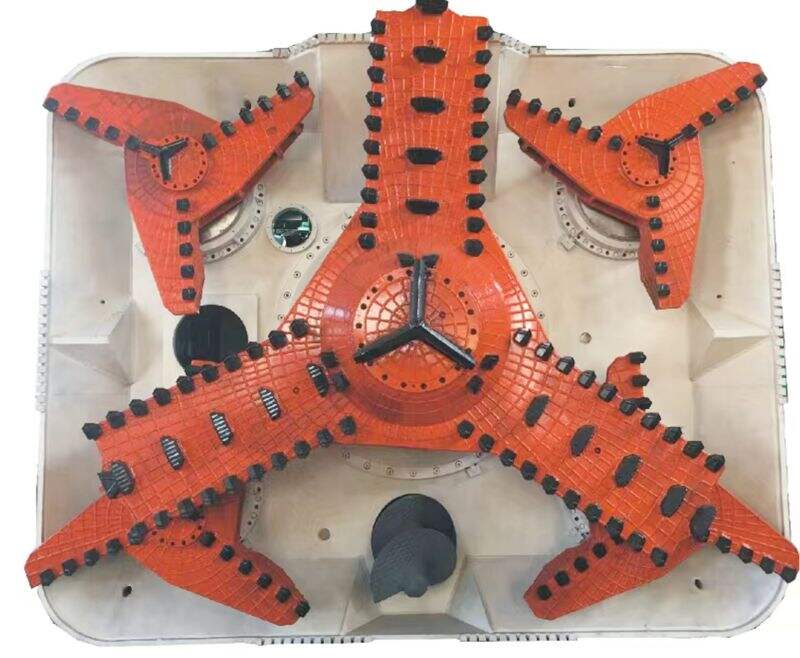
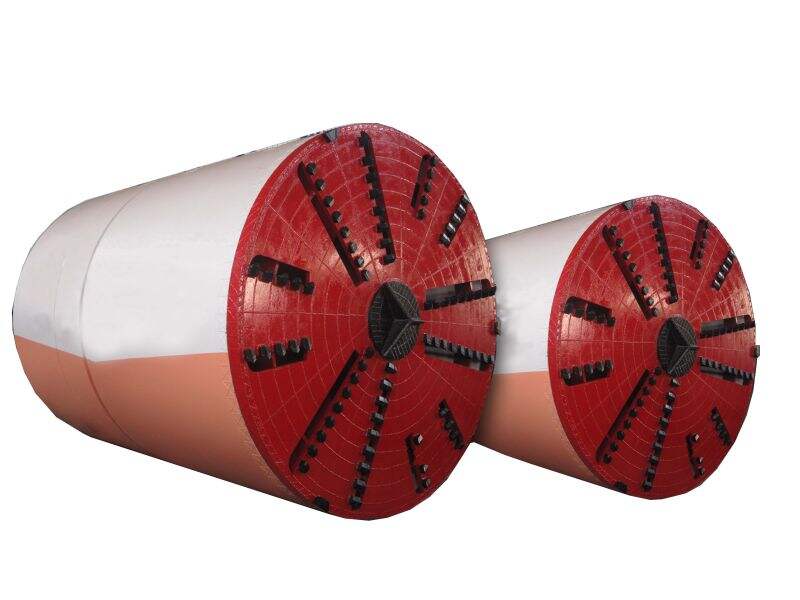
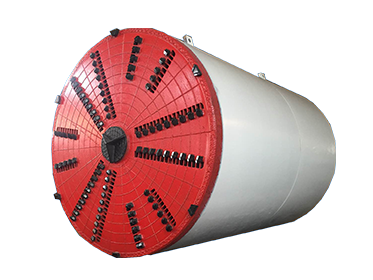
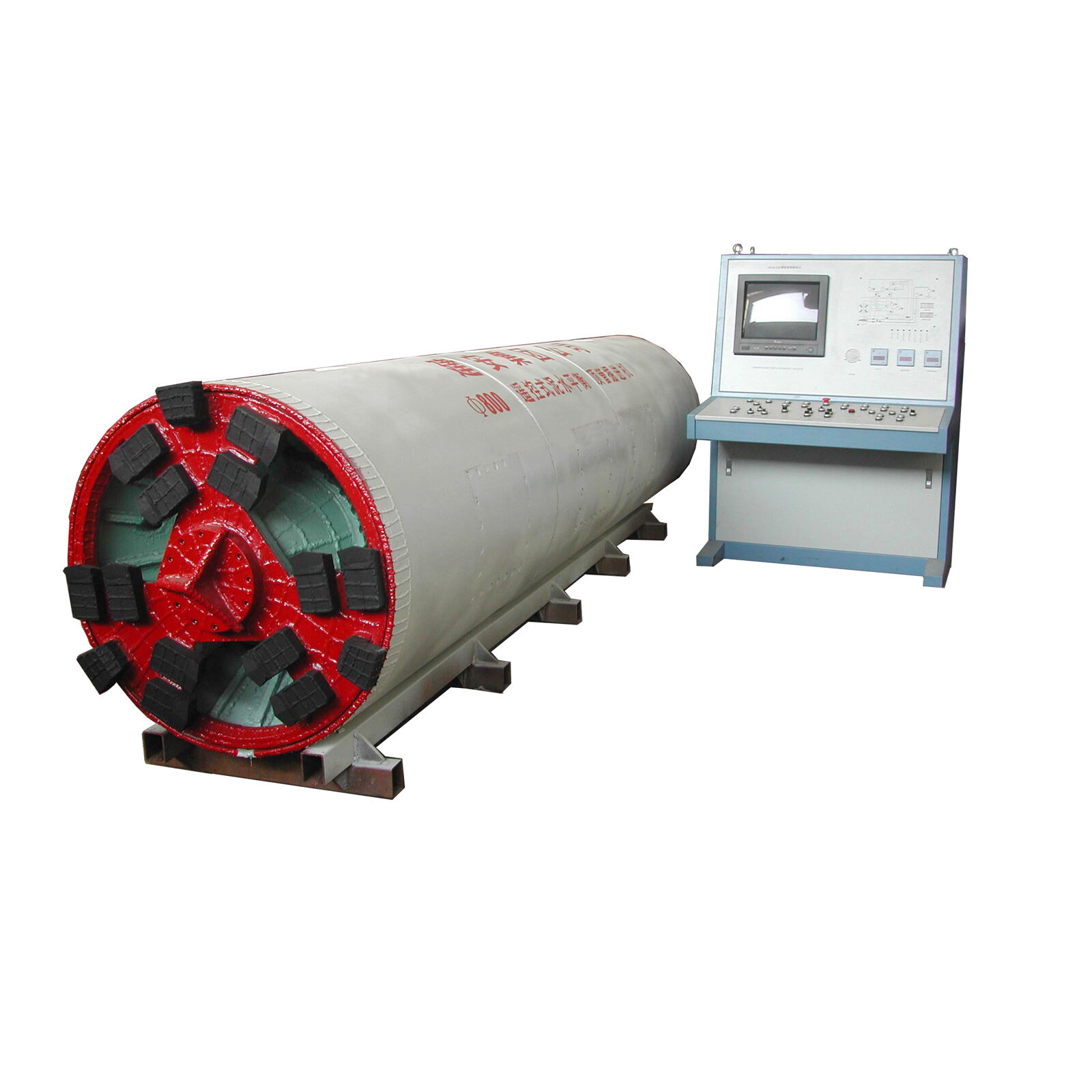
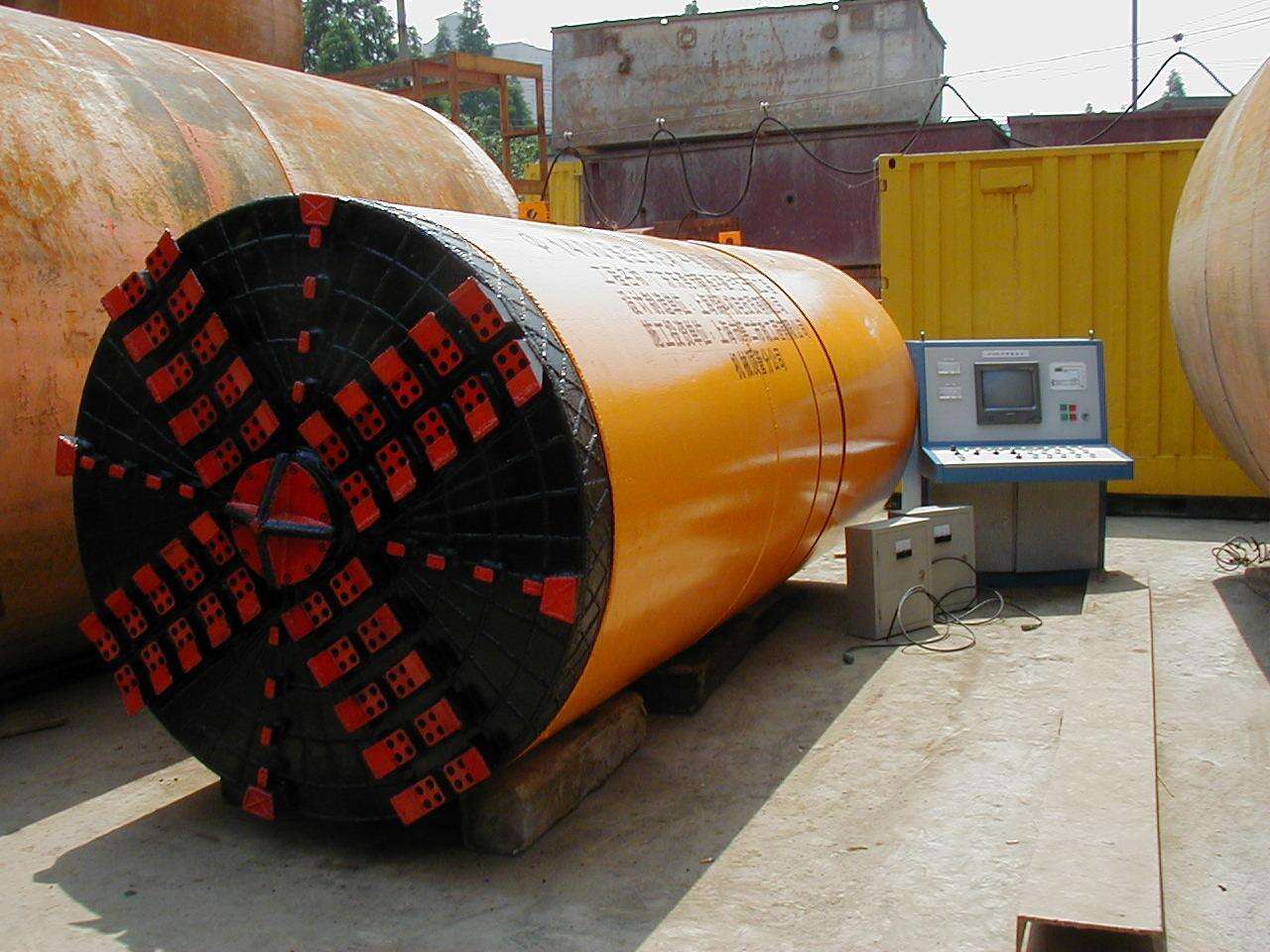
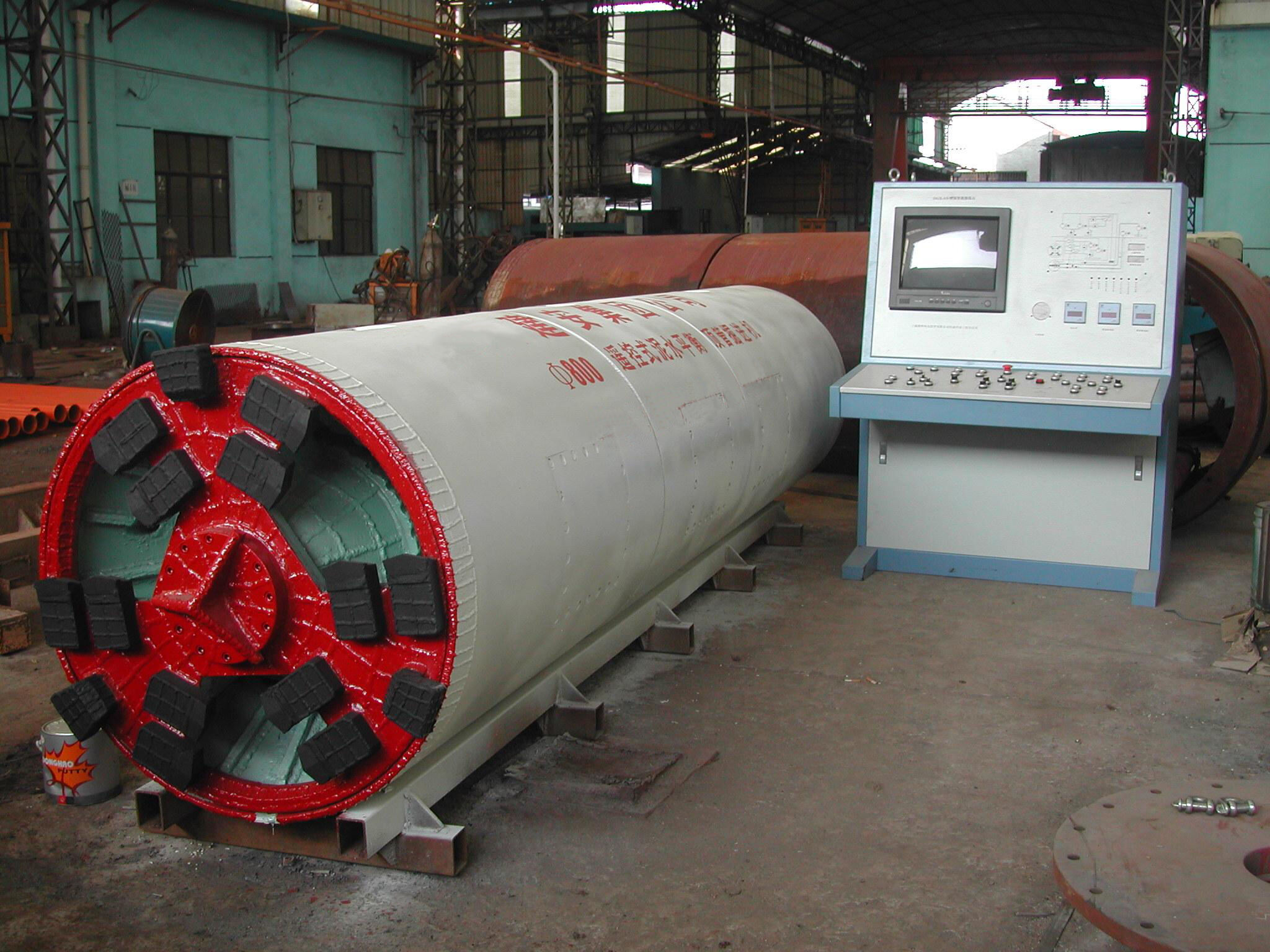
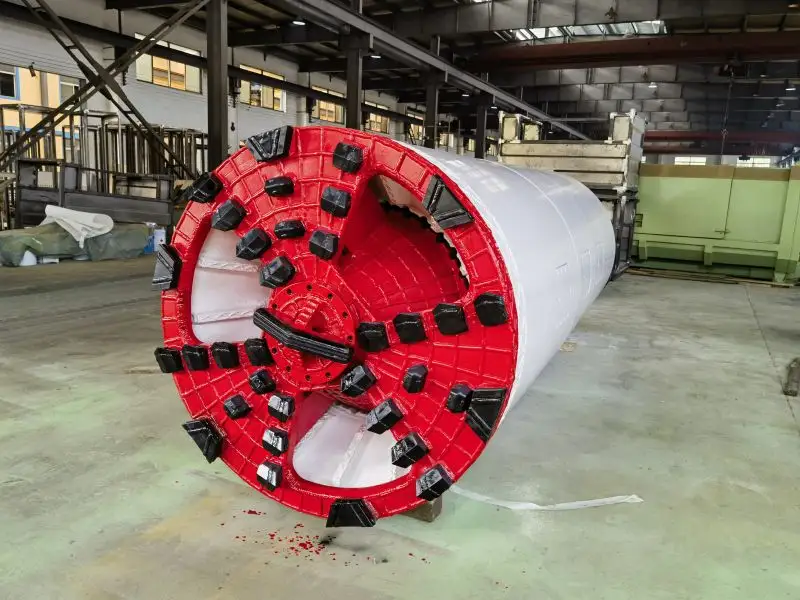
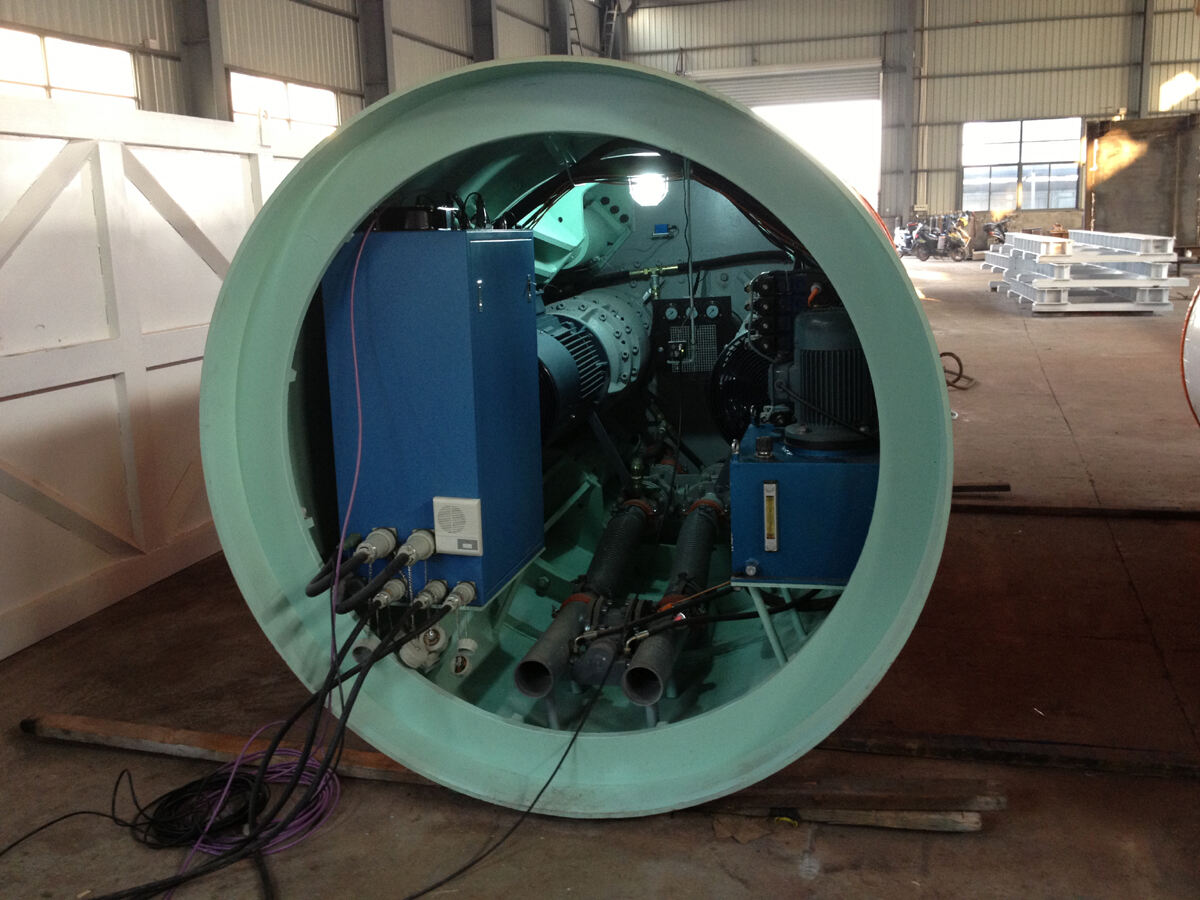
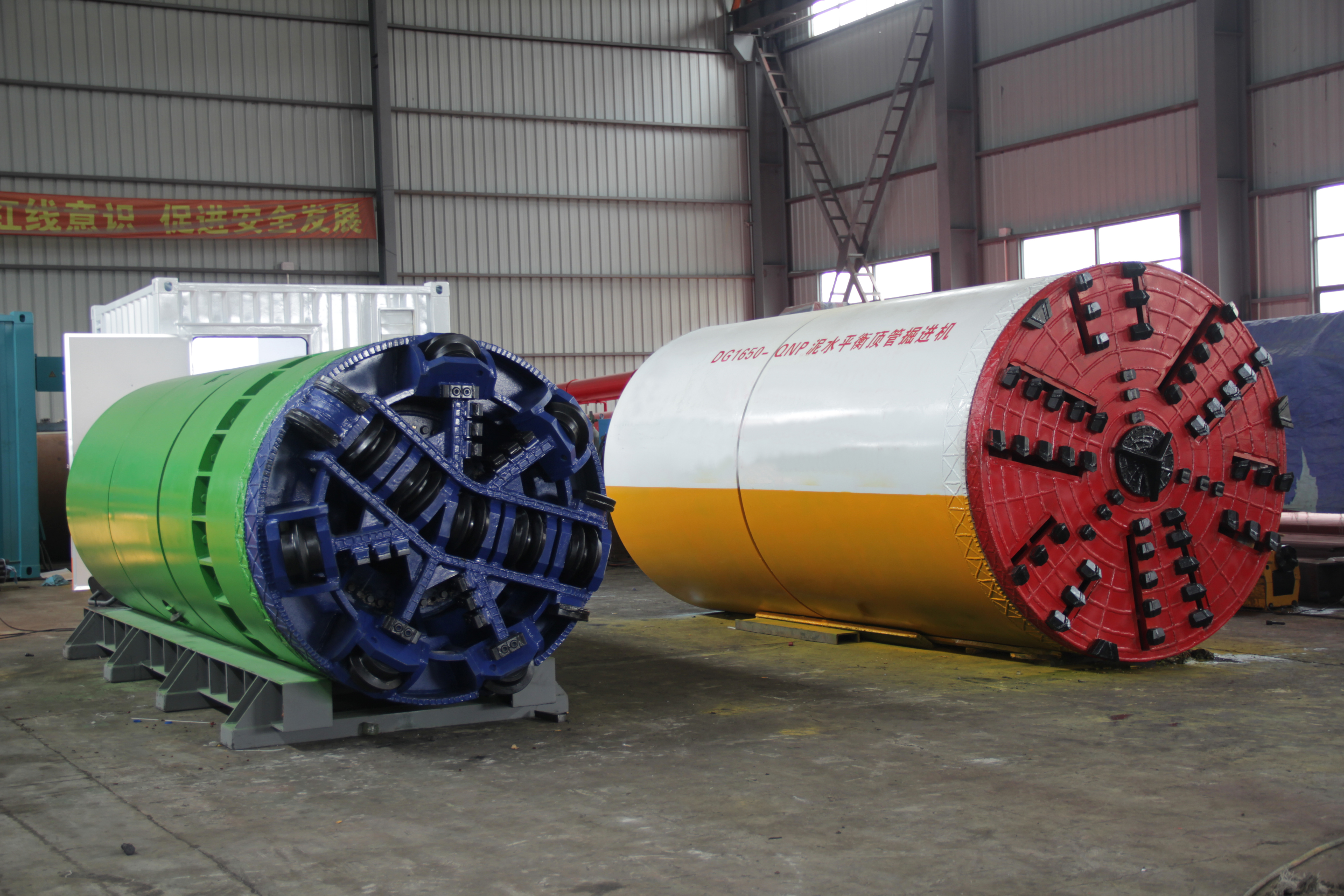
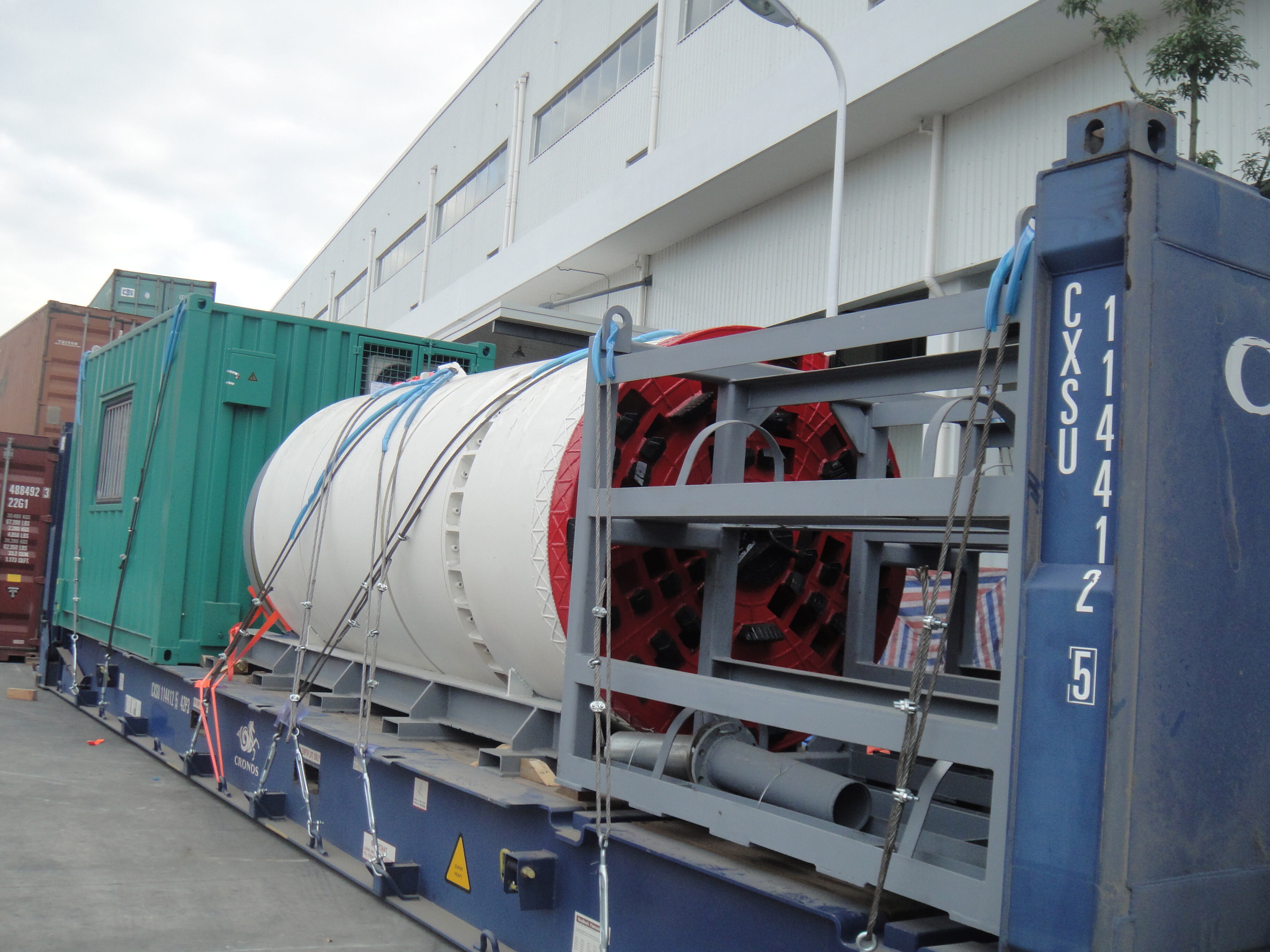
ໂຮງງານຜະລິດເຄື່ອງຈັກຂັບທໍ່ດ້ວຍເປືອກເຫຼວ (slurry pipe jacking machine) ແມ່ນສະແດງເຖິງຈຸດສູງສຸດຂອງເຕັກໂນໂລຊີການກໍ່ສ້າງພາຍໃຕ້ດິນ, ເຊິ່ງເປັນສູນກາງການຜະລິດອຸປະກອນການຂຸດອຸມົງທີ່ທັນສະໄໝ ເພື່ອປະຕິວັດການພັດທະນາສິ່ງອຳນວຍຄວາມສະດວກພາຍໃຕ້ດິນ. ສິ່ງອຳນວຍຄວາມສະດວກທີ່ມີຄວາມຊຳນິຊຳນານເຫຼົ່ານີ້ຜະລິດເຄື່ອງຈັກທີ່ທັນສະໄໝເພື່ອສ້າງອຸມົງ ແລະ ຕິດຕັ້ງທໍ່ໄຟຟ້າ ຫຼື ທໍ່ນ້ຳຢູ່ພາຍໃຕ້ສິ່ງກໍ່ສ້າງທີ່ມີຢູ່ແລ້ວ, ຖະໜົນ, ຖະໜົນລົດໄຟ ແລະ ລະບົບນ້ຳ ໂດຍບໍ່ຮີ້ວຮາຍກິດຈະກຳທີ່ເກີດຂື້ນເທິງດິນ. ໂຮງງານຜະລິດເຄື່ອງຈັກຂັບທໍ່ດ້ວຍເປືອກເຫຼວປະສົມປະສານຫຼັກການວິສະວະກຳທີ່ທັນສະໄໝເຂົ້າກັບຂະບວນການຜະລິດທີ່ມີຄວາມຖືກຕ້ອງສູງເພື່ອສະໜອງອຸປະກອນທີ່ສາມາດຕອບສະໜອງຄວາມຕ້ອງການທີ່ເຂັ້ມງວດຂອງໂຄງການກໍ່ສ້າງໃນເມືອງທີ່ທັນສະໄໝ. ໜ້າທີ່ຫຼັກຂອງເຄື່ອງຈັກເຫຼົ່ານີ້ແມ່ນການໃຊ້ເປືອກເຫຼວທີ່ມີຄວາມກົດດັນສູງເພື່ອຮັກສາໜ້າຕັດທີ່ກຳລັງຂຸດ ໃນເວລາທີ່ຕິດຕັ້ງທໍ່ເປີດເຜີຍ (concrete) ຫຼື ທໍ່ເຫຼັກຜ່ານອຸມົງທີ່ສ້າງຂື້ນໃໝ່. ຄວາມສາມາດເຮັດງານສອງດ້ານນີ້ເຮັດໃຫ້ໂຮງງານຜະລິດເຄື່ອງຈັກຂັບທໍ່ດ້ວຍເປືອກເຫຼວເປັນສິ່ງຈຳເປັນຕໍ່ການຜະລິດອຸປະກອນທີ່ສາມາດຈັດການກັບສະພາບດິນທີ່ທ້າທາຍ ເຊັ່ນ: ດິນທີ່ບໍ່ສະຖຽນ, ລະດັບນ້ຳສູງ, ແລະ ສະພາບດິນທີ່ປະກອບດ້ວຍຊັ້ນດິນທີ່ແຕກຕ່າງກັນ. ເຕັກໂນໂລຊີທີ່ຖືກບູລະນາການເຂົ້າໃນເຄື່ອງຈັກເຫຼົ່ານີ້ລວມເຖິງລະບົບໄຮໂດຣລິກທີ່ທັນສະໄໝ, ລະບົບຄຳແນະນຳທີ່ຄວບຄຸມດ້ວຍຄອມພິວເຕີ, ຄວາມສາມາດຕິດຕາມແບບທັນເວລາ, ແລະ ລະບົບການລົ້ມເຫຼວເປືອກເຫຼວທີ່ເຮັດວຽກອັດຕະໂນມັດເພື່ອຮັກສາຄວາມກົດດັນ ແລະ ຄວາມເຂັ້ມຂຸ້ນໃຫ້ຢູ່ໃນລະດັບທີ່ເໝາະສົມຕະຫຼອດການດຳເນີນງານ. ເຊີນເຊີທີ່ທັນສະໄໝ ແລະ ອຸປະກອນວັດແທກຕ່າງໆຮັບປະກັນການຈັດຕັ້ງທີ່ຖືກຕ້ອງ ແລະ ການຄວບຄຸມລະດັບຄວາມເອີ້ຍງ, ໃນຂະນະທີ່ຫົວຂຸດທີ່ມີອຳນາດສູງສາມາດປັບຕົວເຂົ້າກັບປະເພດດິນ ແລະ ຊັ້ນຫີນທີ່ແຕກຕ່າງກັນ. ໂຮງງານຜະລິດເຄື່ອງຈັກຂັບທໍ່ດ້ວຍເປືອກເຫຼວນຳໃຊ້ວິທະຍາສາດວັດຖຸທີ່ທັນສະໄໝເພື່ອຜະລິດຊິ້ນສ່ວນທີ່ສາມາດຕ້ານທານຄວາມກົດດັນສູງ, ສະພາບແວດລ້ອມທີ່ເຮັດໃຫ້ເກີດການກັດກິນ, ແລະ ວຟິການດຳເນີນງານຢ່າງຕໍ່ເນື່ອງ. ການນຳໃຊ້ເຄື່ອງຈັກເຫຼົ່ານີ້ມີຢູ່ໃນຫຼາຍອຸດສາຫະກຳ, ລວມທັງລະບົບນ້ຳ ແລະ ລະບົບລະບາຍນ້ຳຂອງເມືອງ, ການຕິດຕັ້ງສິ່ງອຳນວຍຄວາມສະດວກ, ສິ່ງອຳນວຍຄວາມສະດວກດ້ານການຂົນສົ່ງ, ແລະ ໂຄງການທໍ່ອຸດສາຫະກຳ. ຄວາມຫຼາກຫຼາຍຂອງອຸປະກອນທີ່ຜະລິດຈາກໂຮງງານຜະລິດເຄື່ອງຈັກຂັບທໍ່ດ້ວຍເປືອກເຫຼວເຮັດໃຫ້ບໍລິສັດຮັບເໝາະສາມາດຈັດການໂຄງການຕ່າງໆ ເລີ່ມຈາກການຕິດຕັ້ງສິ່ງອຳນວຍຄວາມສະດວກທີ່ມີເສັ້ນຜ່າສູນກາງນ້ອຍ ໄປຈົນເຖິງອຸມົງຂົນສົ່ງທີ່ມີຂະໜາດໃຫຍ່, ເຮັດໃຫ້ສິ່ງອຳນວຍຄວາມສະດວກເຫຼົ່ານີ້ເປັນສິ່ງຈຳເປັນຕໍ່ການພັດທະນາສິ່ງອຳນວຍຄວາມສະດວກທີ່ທັນສະໄໝ ແລະ ການຂະຫຍາຍເຂດເມືອງ.

 EN
EN
 AR
AR BG
BG HR
HR CS
CS FR
FR DE
DE EL
EL HI
HI IT
IT JA
JA KO
KO RO
RO RU
RU ES
ES TL
TL ID
ID LT
LT SK
SK SL
SL UK
UK VI
VI ET
ET TH
TH TR
TR FA
FA AF
AF MS
MS HY
HY AZ
AZ KA
KA BN
BN LO
LO LA
LA MN
MN NE
NE MY
MY KK
KK UZ
UZ KY
KY