Versatile Material and Size Compatibility
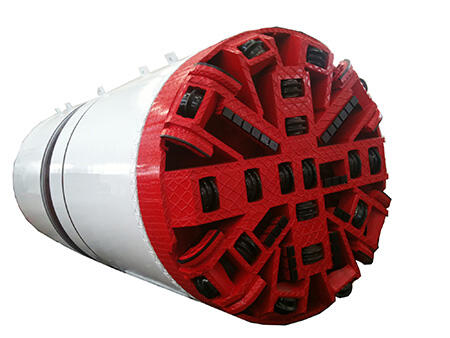
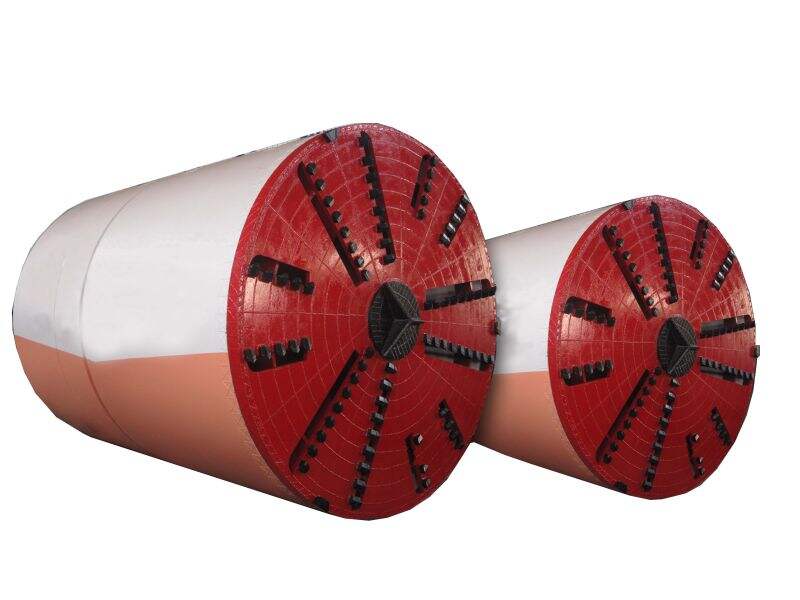
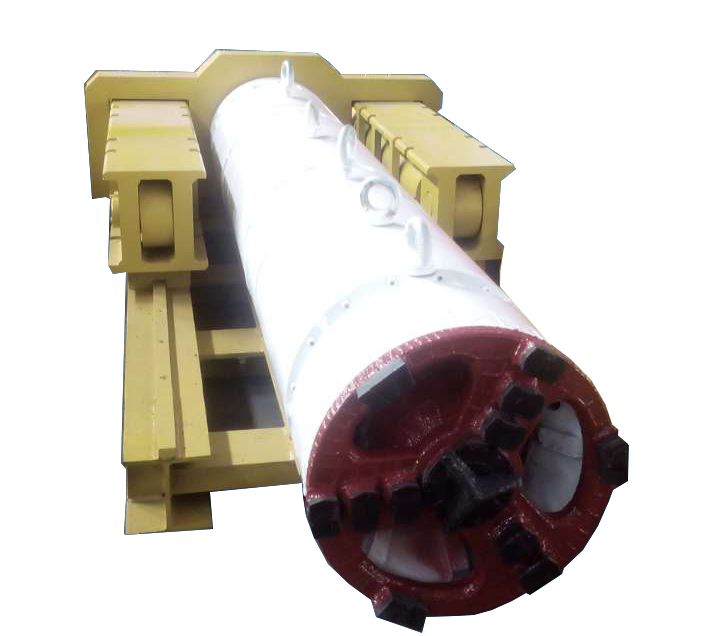
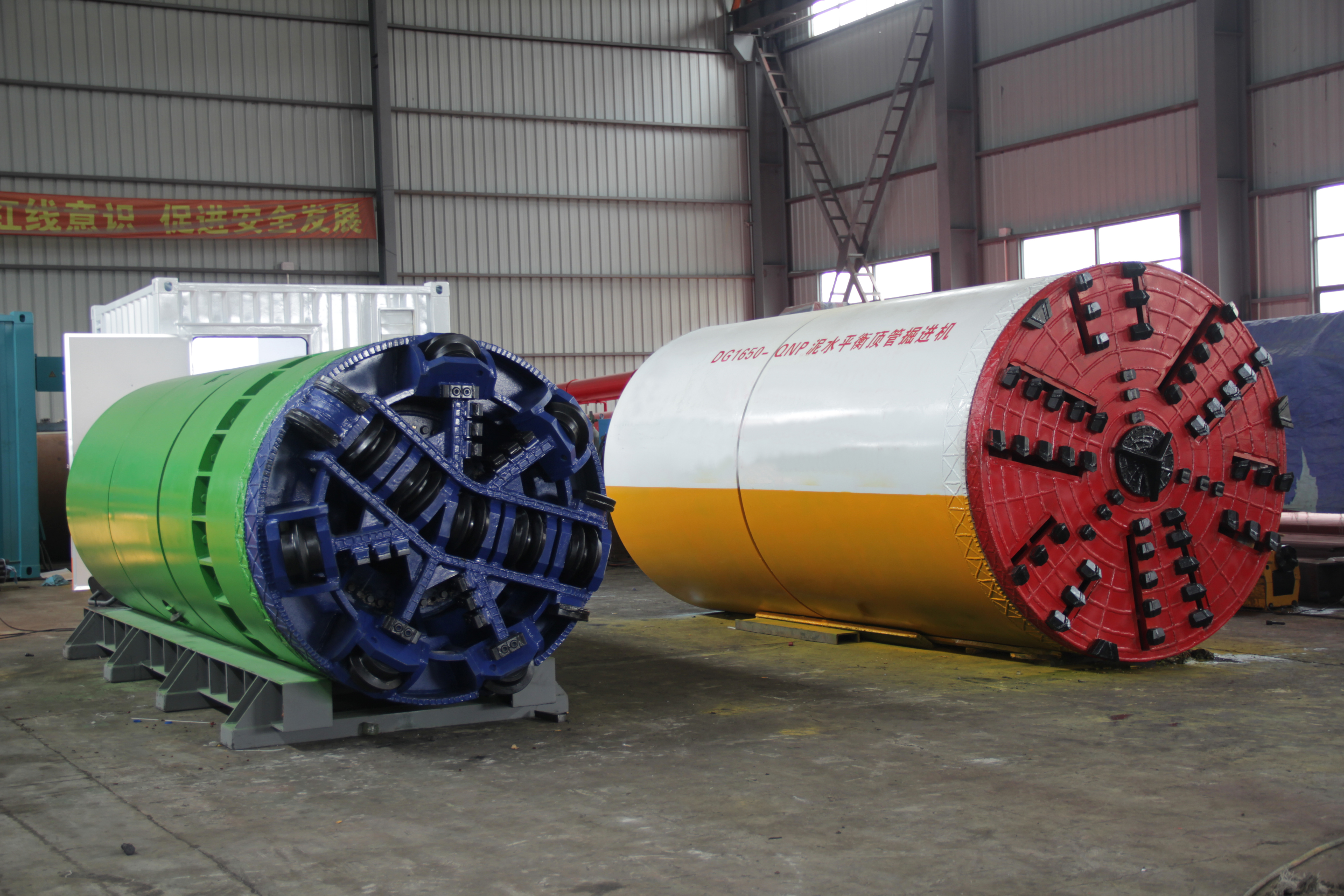
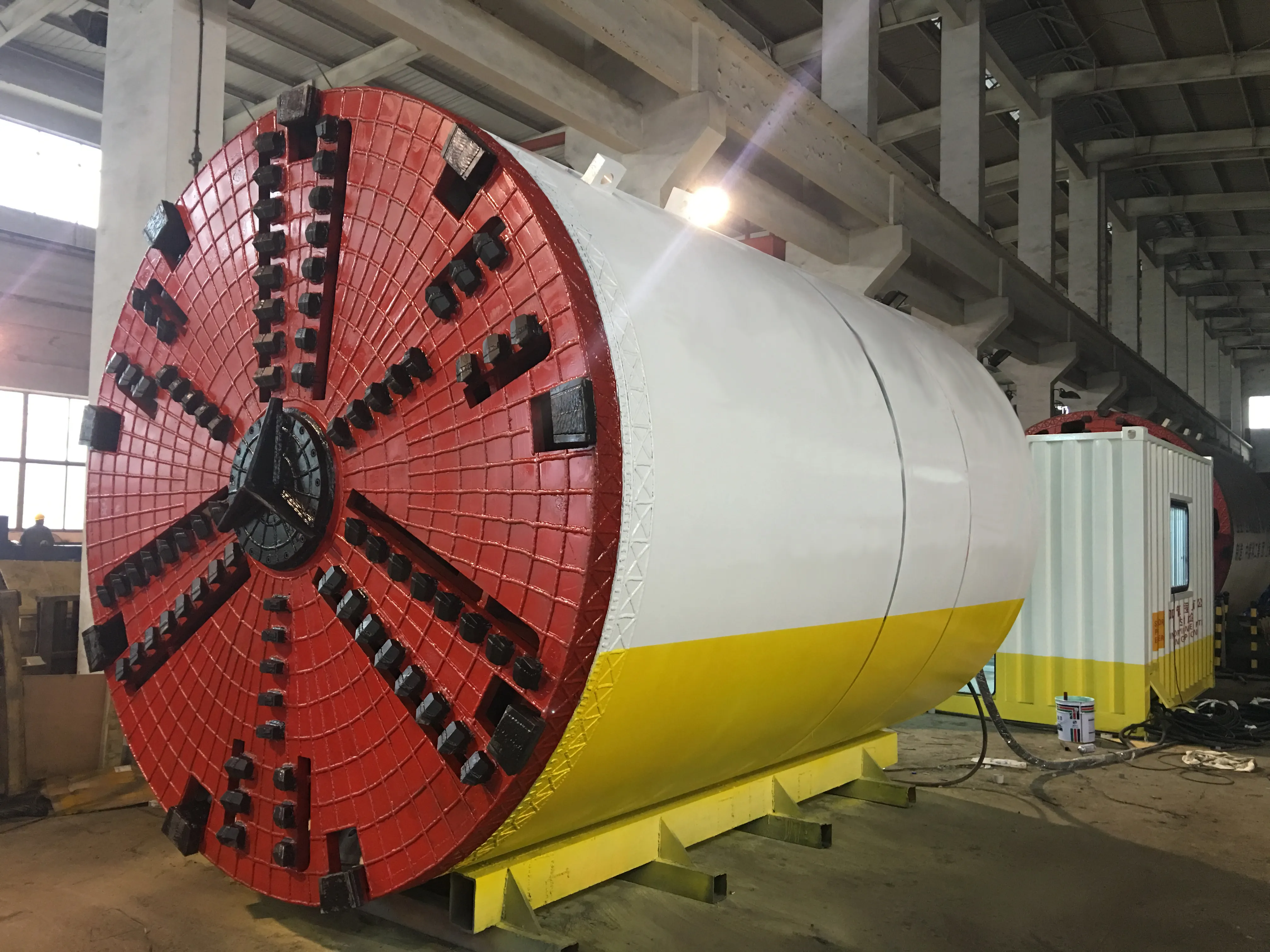
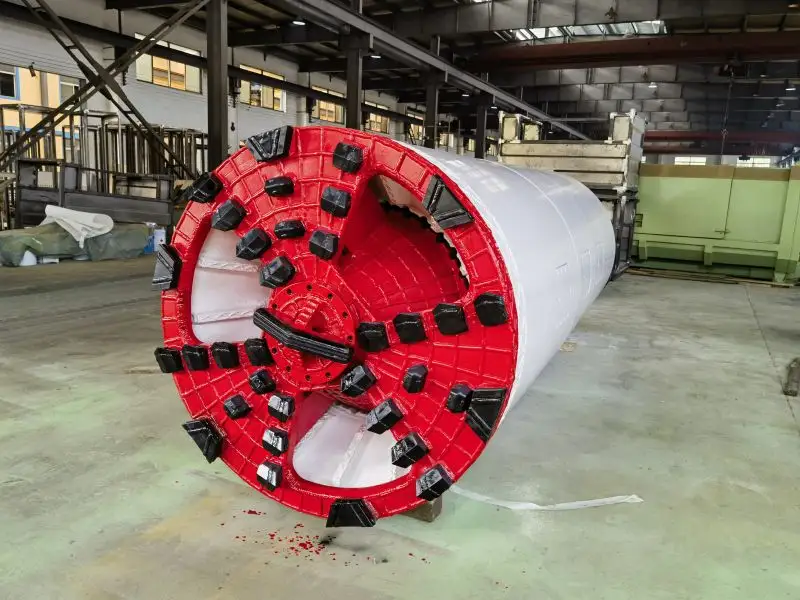
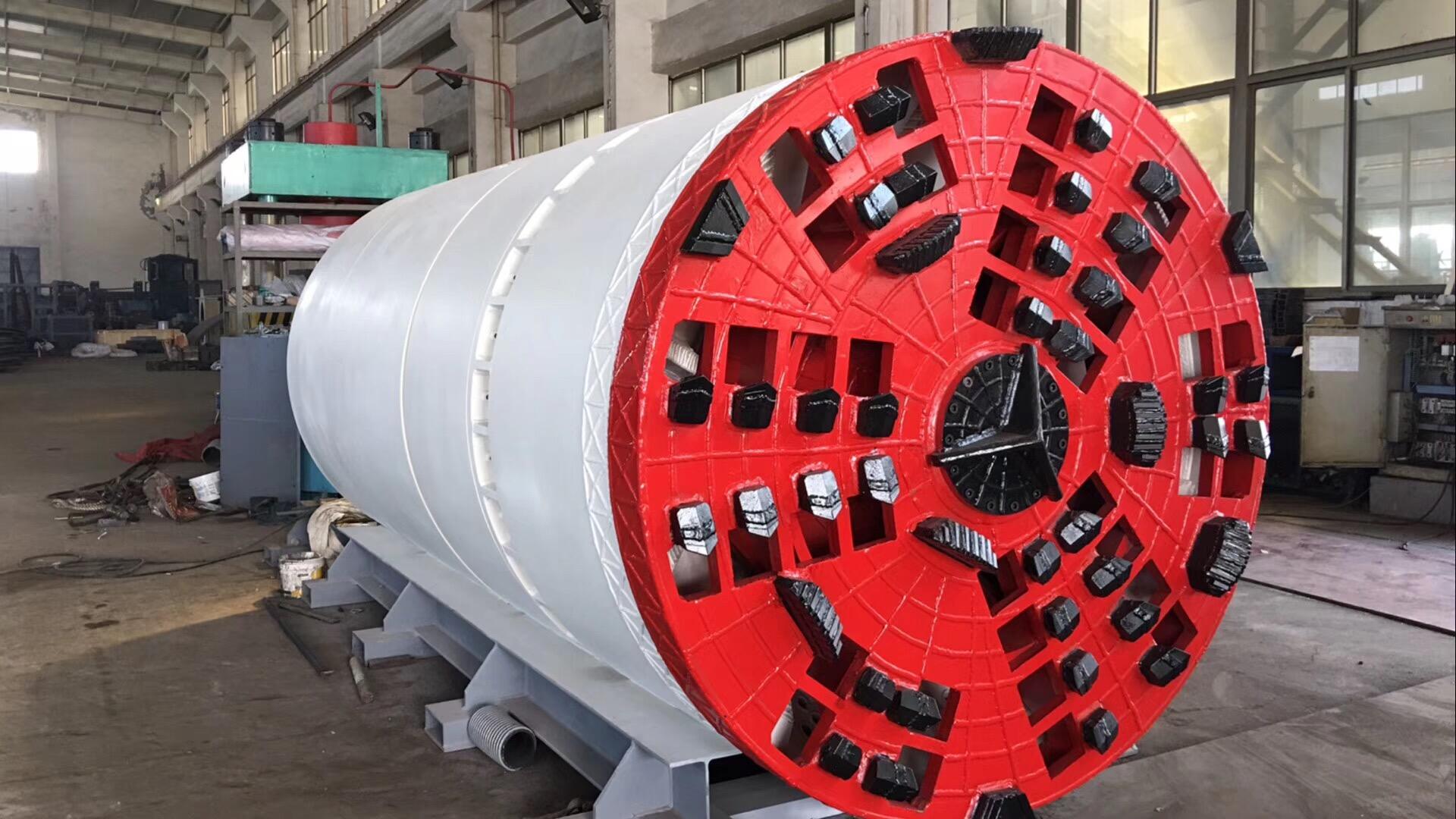
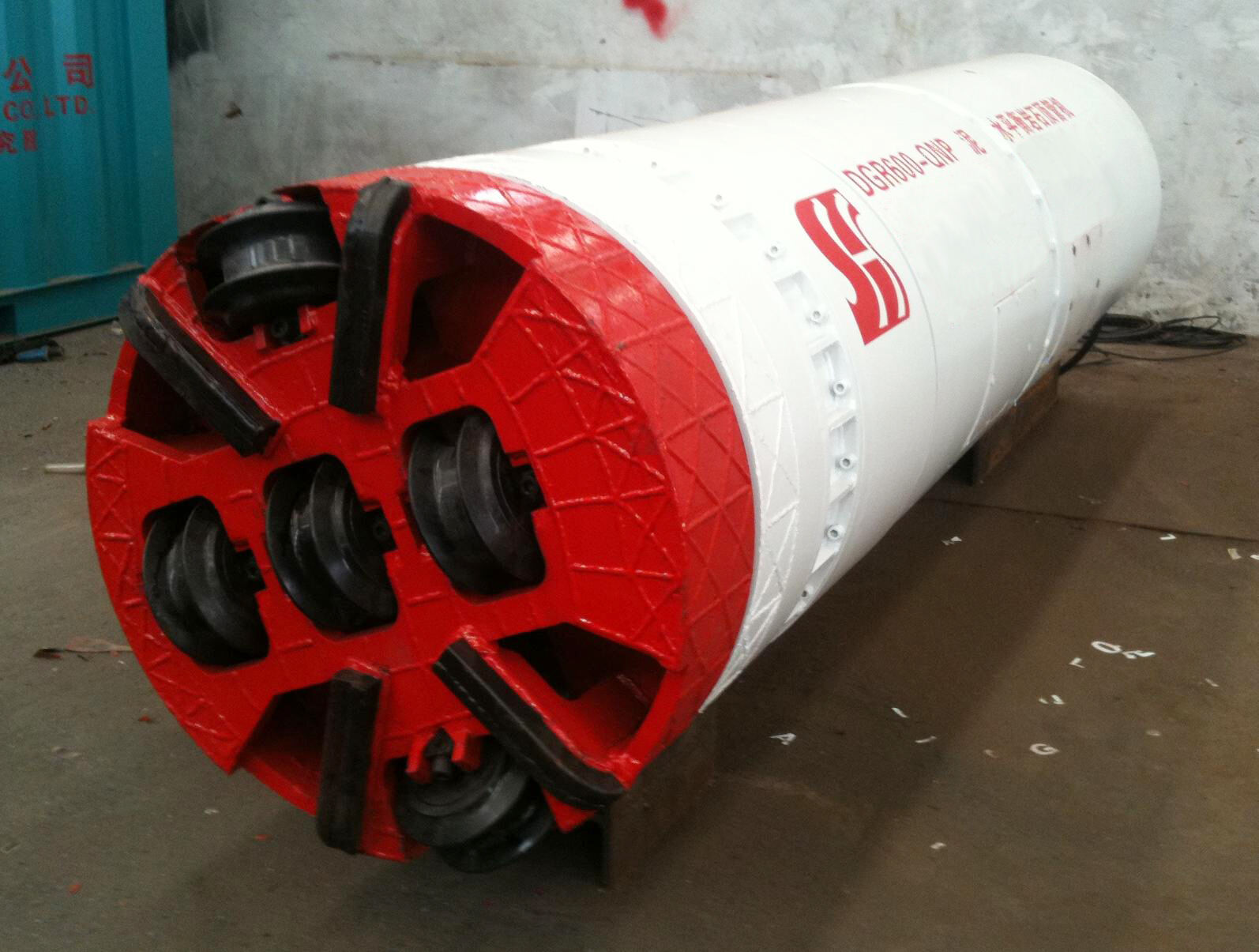
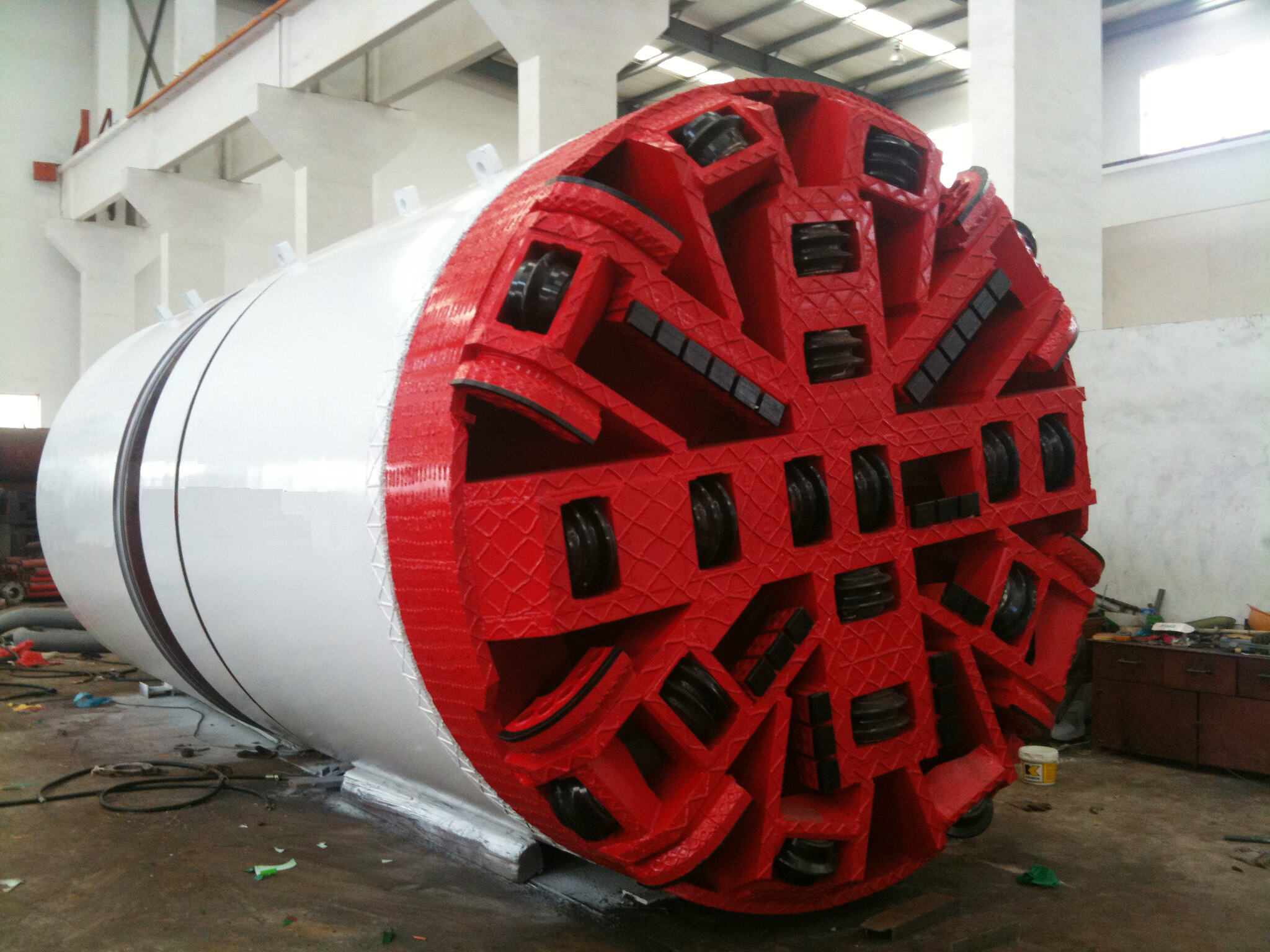
The pipe jacking method construction accommodates an extensive range of pipe materials, sizes, and configurations, making it the most versatile underground installation technique available for modern infrastructure projects. This remarkable adaptability allows engineers to select optimal materials based on specific application requirements, environmental conditions, and long-term performance expectations without being constrained by installation limitations. Common materials successfully installed using pipe jacking method construction include reinforced concrete pipes, steel pipes, ductile iron, high-density polyethylene, fiberglass reinforced plastic, and specialized composite materials designed for specific applications. Each material type benefits from the controlled installation environment that protects pipes from installation damage while ensuring proper alignment and joint integrity. The size flexibility of pipe jacking method construction ranges from small utility conduits measuring just a few inches in diameter to massive transportation tunnels exceeding ten feet in diameter. This wide size range capability results from scalable hydraulic systems and adaptable guidance technology that adjust to accommodate different pipe dimensions and weight requirements. Large-diameter installations often utilize segmental construction techniques where pipe sections are assembled underground, while smaller pipes can be installed as continuous lengths or joined sections depending on project specifications. The method successfully handles various pipe configurations including straight runs, gentle curves, and multi-branch installations that serve complex utility networks. Specialized pipe jacking method construction techniques accommodate unique requirements such as pipe-in-pipe installations for enhanced protection, insulated pipes for temperature-sensitive applications, and composite systems that combine multiple utilities within single installations. Material compatibility extends beyond the pipes themselves to include various joint systems, gaskets, and connection hardware that ensure long-term performance in underground environments. The controlled installation process of pipe jacking method construction prevents material stress that might occur during traditional installation methods, preserving manufacturer warranties and ensuring that pipe performance meets design specifications. This material preservation capability proves particularly valuable for expensive specialty pipes or those with specific performance requirements such as chemical resistance or high-pressure ratings.

 EN
EN
 AR
AR BG
BG HR
HR CS
CS FR
FR DE
DE EL
EL HI
HI IT
IT JA
JA KO
KO RO
RO RU
RU ES
ES TL
TL ID
ID LT
LT SK
SK SL
SL UK
UK VI
VI ET
ET TH
TH TR
TR FA
FA AF
AF MS
MS HY
HY AZ
AZ KA
KA BN
BN LO
LO LA
LA MN
MN NE
NE MY
MY KK
KK UZ
UZ KY
KY